
















As building envelopes shift from static elements to complex, high-performance systems, the ability to integrate engineering, manufacturing and architectural intent is no longer optional, it is essential.
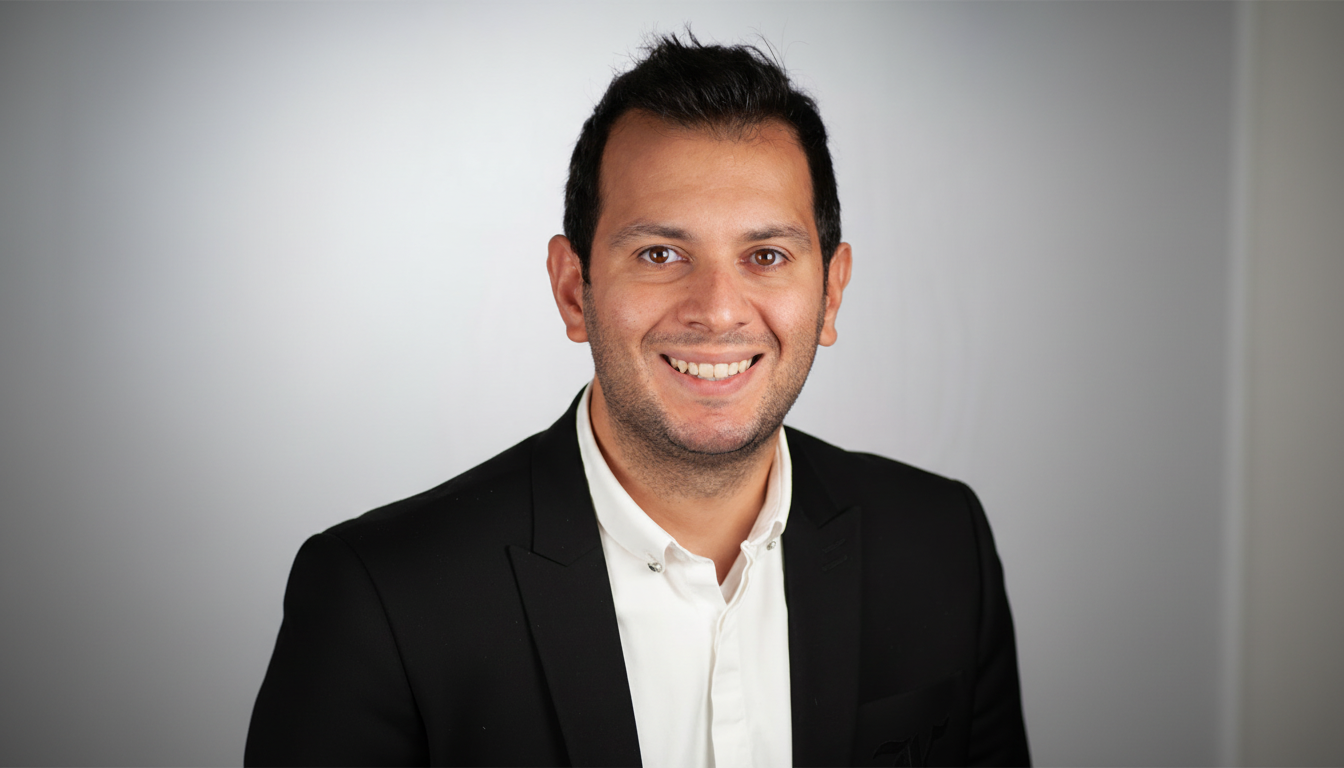
In this conversation, Edoardo Tabasso, CEO of Gualini, shares his perspective on how the industry is transforming, what it takes to manage growing complexity, and why integration, digitalisation and process innovation are redefining the future of façades.
Edoardo: I would say that Gualini stands at the intersection of design ambition and industrial execution.
Today, I’d define our identity as that of an integrated partner for the entire lifecycle of complex façade systems, from early-stage engineering to manufacturing, installation, and long-term maintenance with our after-sales services.
What truly defines us is our ability to translate architectural intent into buildable, high-performance solutions.
Edoardo: Façades are no longer passive elements.
Ten years ago, the focus was often on appearance and basic envelopes.
Today, façades are expected to contribute to energy efficiency, user comfort, durability, and even building intelligence.
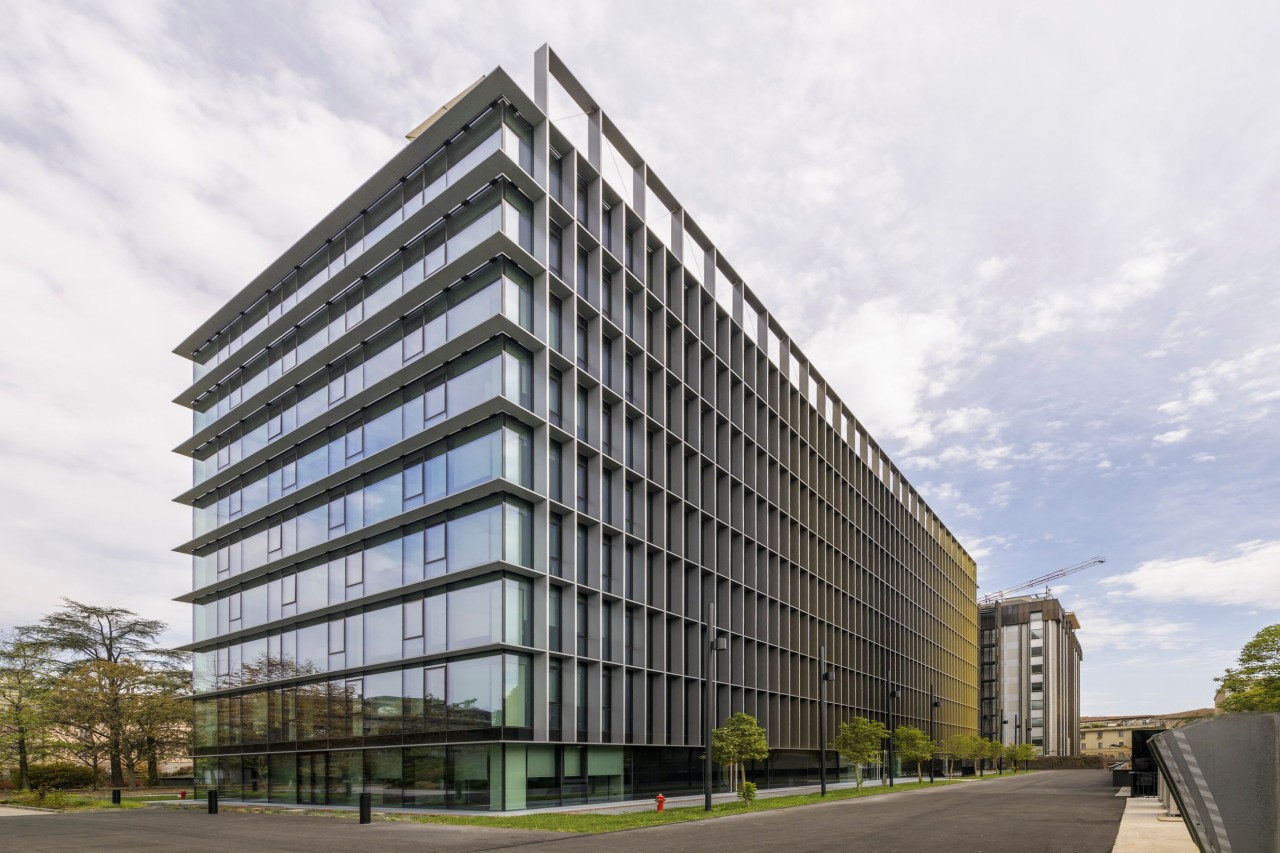
This transformation has introduced a much higher level of technical complexity.
It requires deeper integration between disciplines: architecture, engineering, materials science, and manufacturing.
Edoardo: It pushes us to think in terms of systems with long-term consequences, rather than just components.
Strategically, this means investing heavily in engineering capabilities, digital tools, and process control.
It also means engaging earlier in the design phase, where the most impactful decisions are made.
Ultimately, our strategy is to anticipate complexity rather than react to it, ensuring that performance, cost, and architectural intent remain aligned throughout the project lifecycle.
Edoardo: It is necessary. Vertical integration allows usto maintain control over the entire process, which is essential when dealing with highly customised and technically demanding façades.
Without this integration, there is a risk of fragmentation, where decisions made in one phase create inefficiencies or risks in another.
By keeping these competencies in-house, we ensure continuity, reduce uncertainty, and improve both quality and predictability.
Edoardo: Our approach is to industrialise processes, not outcomes. In other words, we standardise what is behind the scenes (engineering methods, production workflows, and assembly logic) while preserving maximum flexibility across the entire production cycle of our facades.
Digital tools and advanced manufacturing play a key role here, allowing us to manage complexity without sacrificing efficiency.
Edoardo: Real decarbonisation is not a single action, it’s a systemic transformation.
It involves choosing low carbon material choices, optimising production processes, reducing waste, improving energy efficiency in manufacturing, and rethinking logistics.
Most importantly, it requires a lifecycle perspective.
The façade must be designed not only for performance during operation, but also for durability, adaptability, and eventual disassembly.
Edoardo: Focusing on a single aspect of production is not sufficient.
The real impact comes from optimising the entire value chain.
Designing façades that last longer, require less maintenance, and can be disassembled or reused at the end of their life has a significant environmental benefit.
At the same time, process optimisation and logistics efficiency can deliver immediate and measurable improvements. It is the combination of long-term vision and short-term actions that creates real progress.
Edoardo: Digitalisation is fundamentally reshaping how we design, produce, and deliver façades.
Technologies like BIM allow us to integrate information across all project phases, improving coordination and reducing errors.
At the same time, the connection between digital models and advanced manufacturing is making production more precise and efficient.
A clear example is the Arena Santa Giulia in Milan, the most advanced venues for the Milano Cortina Winter Olympics.
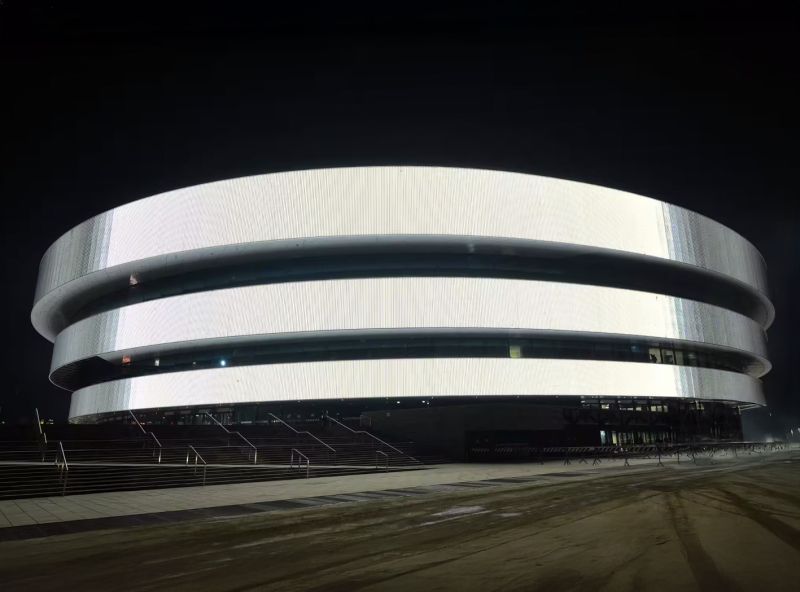
In this project, we faced a highly complex challenge: translating an ambitious architectural concept into a real, buildable, and high-performance envelope.
Our integrated approach enabled full traceability of every façade element.
Thousands of digital quality records were linked directly to the 3D model, ensuring a continuous flow of information across engineering, production, and installation.
This process involved technical development and engineering, high-precision industrial manufacturing, on-site coordination, and constant control over quality and timelines.
Edoardo: I think innovation is more about processes.
New materials and products are important, but they often deliver incremental improvements.
The real breakthroughs come from rethinking how we work and how we design, how we collaborate, and how we manufacture.
Innovation, therefore, is less about isolated inventions and more about creating a coherent system where all parts of the process are aligned.
Edoardo: Prefabrication is already playing a central role in the future of façades.
By shifting activities to controlled factory environments, we can achieve higher quality, better safety, and greater efficiency.
At Gualini, this approach is supported by a highly automated production system, enhanced by skilled craftsmanship to ensure the highest quality standards.
Our manufacturing takes place across two dedicated facilities, covering over 25,000 square metres and organised into five production lines.
One department focuses on product profiles using CNC machining centres, while assembly is carried out in a larger facility where production lines are supported by manipulators and overhead cranes, ensuring safe handling of heavy components and efficient final packaging.
Edoardo: The first challenge is managing increasing complexity, both technical and organisational.
The second is sustainability. Not just as a concept, but as a measurable and accountable commitment across the entire valuechain.
The third is talent. The industry needs highly skilled professionals who can operate at the intersection of engineering, manufacturing, and digital technologies.
Edoardo: Italian engineering has a unique strength: the ability to combine technical expertise with a strong sensitivity to design.
This is particularly relevant in the façade industry, where performance and aesthetics must coexist.
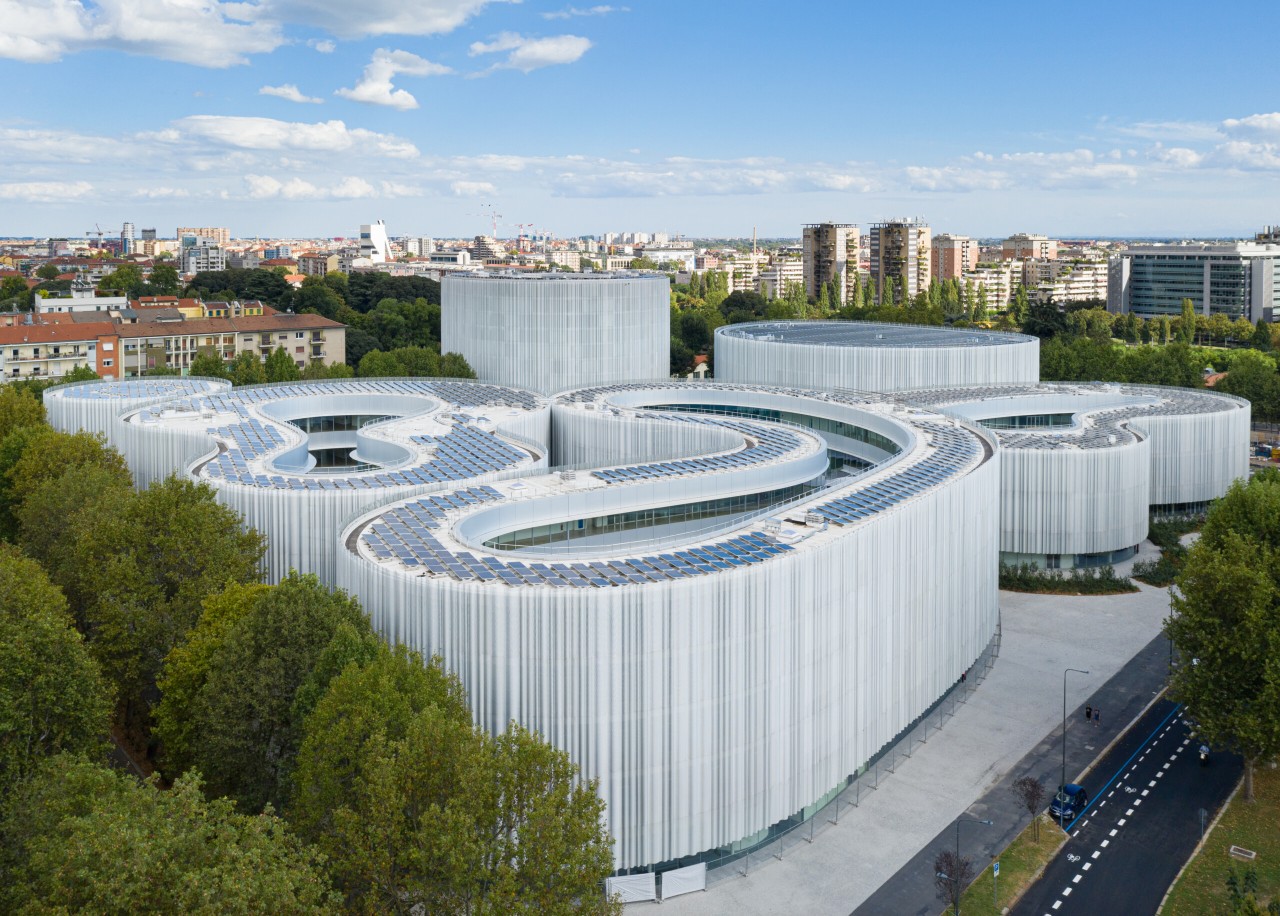
Italian companies are often able to interpret architectural intent with a level of flexibility and creativity that is highly valued internationally.
At the same time, to remain competitive globally, this cultural strength must be supported by industrial capabilities, process efficiency, and continuous innovation.
Edoardo: Success, for us, is not only about growth.
It means being recognised as a reference partner for complex building envelopes, a company that clients trust not only for execution, but for its ability to add value from the earliest stages of a project.
It also means making tangible progress in sustainability, reducing our environmental impact while delivering high-performance solutions.
Finally, success means building an organisation that continues to attract and develop talent, ensuring continuity and long-term resilience.
Edoardo: My journey has been shaped by working closely with both the technical and industrial sides of the business.
This has taught me the importance of understanding complexity without overcomplicating decisions.
In a sector likeours, it is easy to get lost in technical details, but leadership requires the ability to maintain clarity and direction.
Empowering people and fostering a culture of accountability are also crucial for successfully delivering complex projects.
Edoardo: My family, especially my two children, along with my love for golf and skiing, are what truly help me find balance, clarity, and a long-term perspective
What emerges from this conversation is a clear shift in how façades are conceived and delivered.
No longer isolated elements, they are becoming integrated systems where design, engineering and manufacturing must operate as one.
The challenge is no longer just technical, it is organisational, cultural, and strategic.
In this context, companies that can anticipate complexity, rather than react to it, will define the next generation of façade delivery.
Because today, the real innovation is not only in what we build, but in how we bring it to life.

























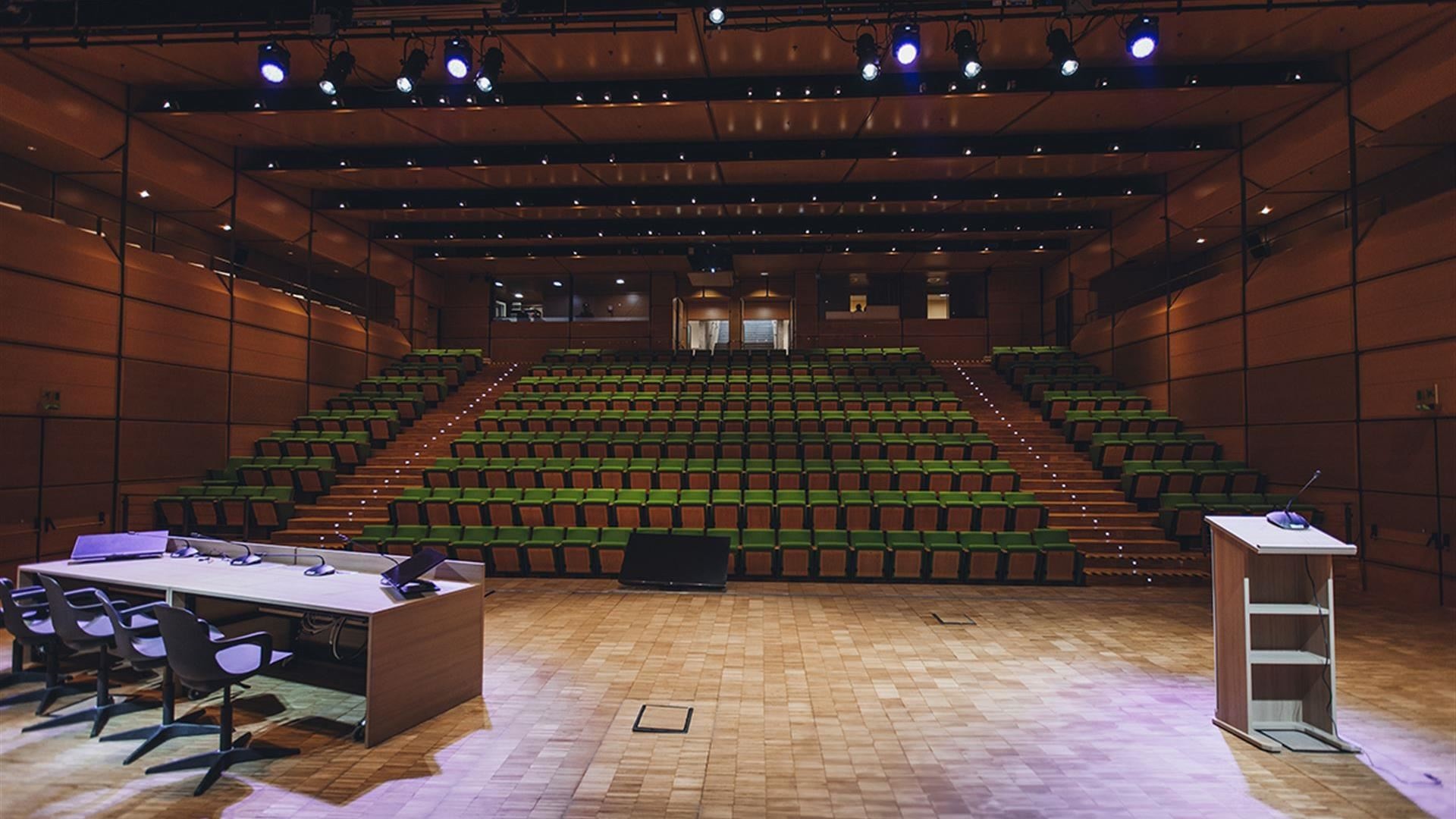
"Facades Today": is a one-day conference exploring contemporary approaches to façade design, innovation, and cultural meaning.
Expect critical insights, surprising case studies, and practical visions for what comes next in urban envelopes.

Location:
Milan, Monte Rosa 91 - Auditorium

Date:
April 24, 2026 — 09:00 to 18:00

Audience:
The people who shape buildings—designers, engineers & makers

Contact: events@foolsforfacades.com
Join the archive that celebrates architecture’s most iconic façades.
If your company played a role—through materials, systems, or expertise—let us know.
We’re building a record of the people and products behind the world’s most influential buildings.
Are you working on façade innovation, materials, or design methods?
Submit your study and be part of the conversation shaping tomorrow’s architecture.

.png)
.png)
.png)