
























For Daniela Castro, sustainability is not a final layer added to architecture once the design is complete.
It begins much earlier, inside the financial logic of a project itself.
Working across retrofit strategies, ESG-driven developments, and high-performance envelopes, Daniela approaches sustainability through a combined lens of architecture, economics, resilience, and long-term asset value.
Her perspective moves beyond green branding and focuses on measurable performance: operational carbon reduction, embodied carbon savings, durability, resilience, and financial viability.
In this conversation, Daniela Castro discusses why retrofit represents one of the greatest opportunities for reducing embodied carbon, how façades directly influence ESG outcomes and operational performance, and why many developments still underestimate the long-term risks of outdated building strategies.
From Net Zero targets to procurement decisions, this interview explores the increasingly critical relationship between sustainability, façades, and financial reality.
Daniela: Sustainability starts with the financial strategy. For any project, the sustainable vision must be baked into the initial financial models.
If the numbers don't align during the feasibility stage, the land isn't even acquired, let alone a kickoff meeting held for the design team.
At JWA, we believe a project isn't truly sustainable unless its financials are as resilient as its environmental performance.

Daniela: Financially, retrofitting offers a massive advantage through reduced construction timelines, savings on raw material costs, and leveraging existing urban infrastructure.
Environmentally, the "holy grail" is the reduction of embodied carbon.
An existing building, when retrofitted, can have a carbon footprint 50-75% smaller than any new construction—even a net-zero one.
By optimizing the facade and structure, we reduce urban sprawl and preserve the natural areas that are often sacrificed for new developments.
Daniela: We approach this through Integrated Design.
We work with clients from the earliest analysis phase, running parallel studies on the environmental and financial costs/benefits of every strategy.
This allows us to make data-driven decisions. Whether it’s a single building or a large-scale development, we look for the "sweet spot" where high-performance architectural design actually drives the financial ROI rather than competing with it.
Daniela: In the Mexican market, we still tend to view sustainability (if seen) strictly through the lens of operational cost savings (water/energy) or even worse as green marketing “image”.
However, through our European lens at JWA, we see that energy certificates and ESG compliance are becoming primary drivers of asset valuation.
A building without a clear path to decarbonization risks becoming a "stranded asset." Future-proofing through high-performance envelopes is what maintains value ten or twenty years down the line.
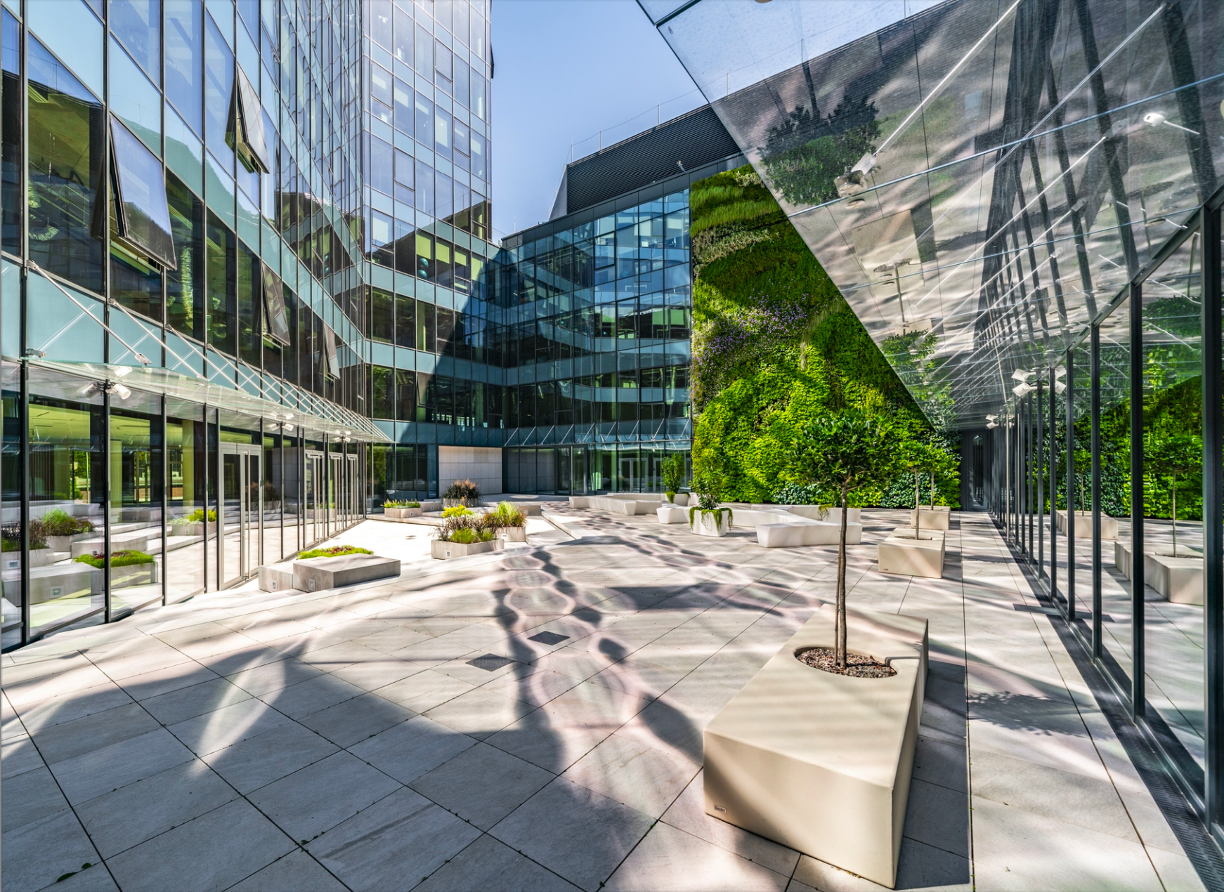
Daniela: The envelope is the first line of defense. It is the single most critical component for reducing thermal loads while providing daylight and views.
In temperate climates like Mexico City, a high-performance facade can avoid the need for mechanical ventilation entirely slashing the building's highest energy consumer.
On the "Social" side of ESG, a facade that provides views and daylight balanced with glare control which directly impact occupant wellness, comfort, and productivity.
Daniela: It comes down to a shared language of numbers.
Having worked as an architect, developer, and consultant, I can sit at the table and understand each party's priorities.
When I suggest a modification, it isn't based on a "whim" it's a solution designed to bring tangible benefits to the developer’s bottom line while preserving the architect's aesthetic intent.
Daniela: I recall a resort project in the Riviera Maya.
Initially, the design called for 70% glazing a beautiful vision, but a disaster for energy loads and budget, given the cost of hurricane-proof glass. We re-designed the facade to an optimized window-to-wall ratio.
This didn't just save on the initial glass procurement; it reduced the long-term AC operational costs for 500 rooms.
Furthermore, we moved the machine rooms from level 1 to level 2.
Despite being above sea level, our flood resilience studies showed a high risk during hurricanes.
That rethink ensured the hotel would remain operational and powered even in extreme weather events.
Daniela: Treating sustainability as an "add-on" or a "final coat of paint."
The biggest mistake is trying to make a project sustainable after the design is already finished.
By then, the most impactful (and cost-effective) opportunities have already been lost.
Daniela: Sustainability is no longer a "premium", it is a requirement for market competitiveness.
Any building designed without these considerations today is born obsolete. We translate this into value via lower vacancy rates, higher tenant retention, reduced "brown discounts," and lower insurance premiums due to increased resilience.
Daniela: Ideally, they don't.
At JWA, we argue that if a strategy only makes sense in one of those categories, it isn't truly sustainable.
A deep energy retrofit that improves the facade might have a longer payback period, but when you factor in the increased asset value and the avoidance of future carbon taxes, the financial and environmental goals converge.
Daniela: They are the "filter" of the building. In most commercial assets, HVAC is the primary carbon driver. By upgrading the facade, through better insulation, glass, solar films, or shading, we reduce the cooling demand at the source.
You cannot reach Net Zero by just buying more efficient machines; you reach it by needing those machines less in the first place.
Daniela: We are definitely moving too slowly. Many stakeholders are unaware of the looming deadlines: the global goal is for all new buildings to be Net Zero by 2030, and the entire building stock, new and existing, to be Net Zero by 2050. We are still seeing "modern" buildings being designed with glass boxes that will be impossible to decarbonize by 2040.
Daniela: Managing the "human element." You can calculate thermal bridges and U-values all day, but permeating a culture of sustainability and keeping a team motivated under pressure is the hardest part.
People are the most unpredictable variable in any project or firm; learning to be empathetic while maintaining a high standard for our goals has been my greatest lesson.
Daniela: My family.
Seeing the world through their eyes reminds me why working for a more resilient built environment actually matters. It keeps the "why" behind the "how."
This conversation highlights an increasingly important reality across architecture:
Sustainability is no longer only about environmental responsibility.
It is becoming directly tied to resilience, asset value, operational performance, and long-term viability.
As regulations tighten and Net Zero targets approach, façades are emerging as one of the most strategic components in reducing operational carbon, improving occupant comfort, and protecting buildings from obsolescence.
Daniela Castro’s perspective reflects a broader shift happening across the industry:
The future of sustainable architecture will not depend only on better technology but on integrating performance, finance, and design from the very first decision.






























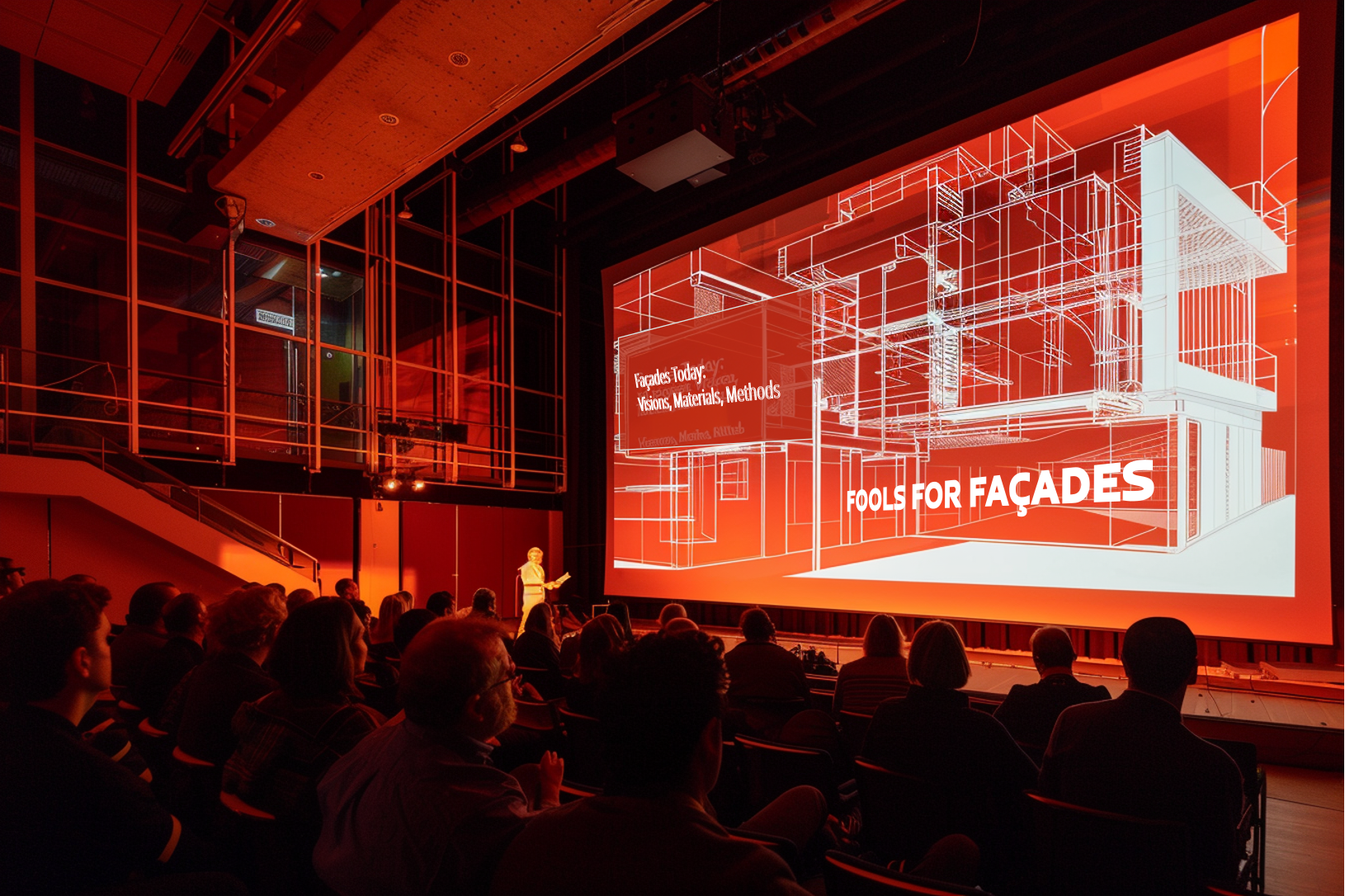
"Facades Today": is a one-day conference exploring contemporary approaches to façade design, innovation, and cultural meaning.
Expect critical insights, surprising case studies, and practical visions for what comes next in urban envelopes.

Location:
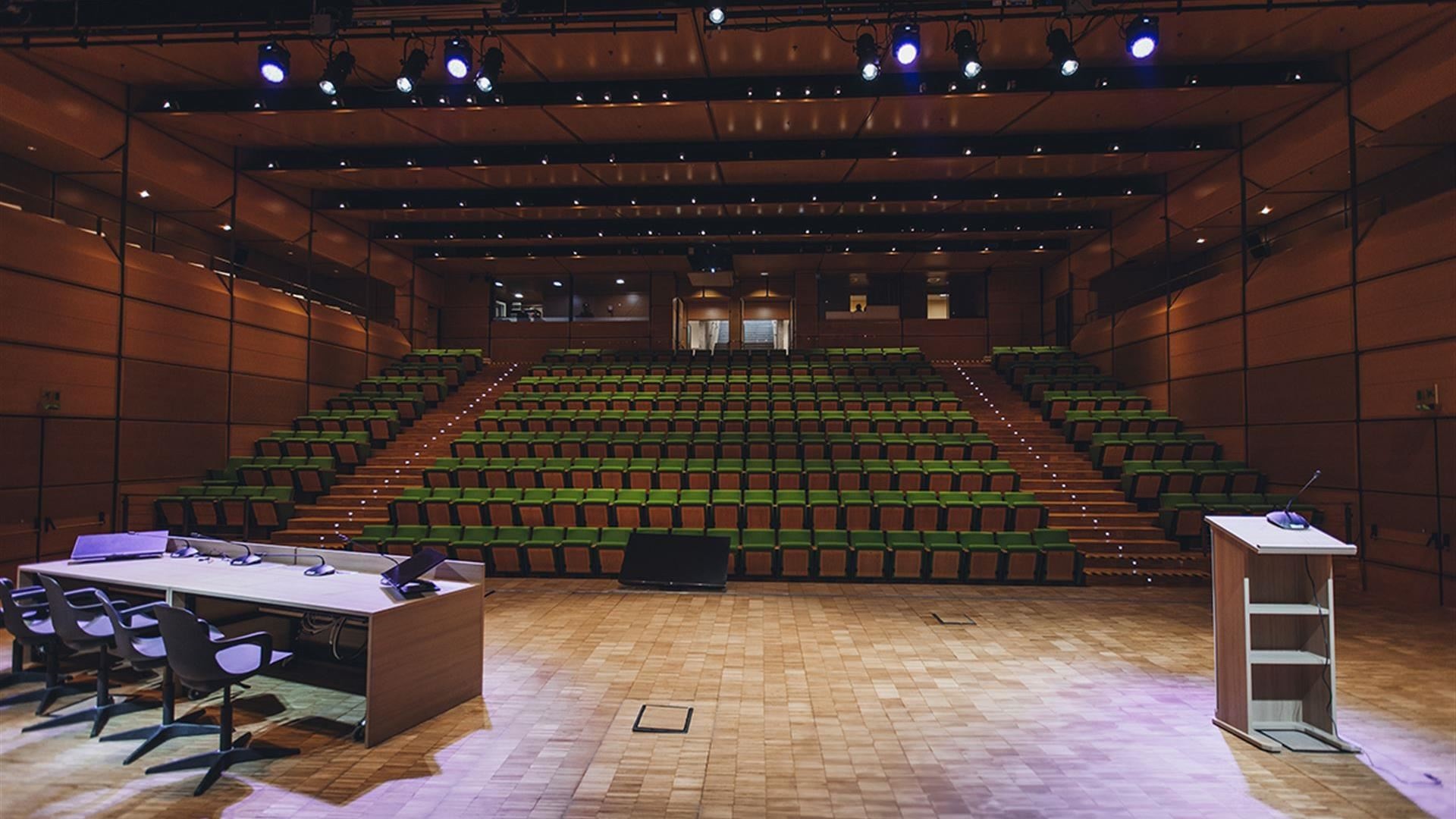
Milan, Monte Rosa 91 - Auditorium

Date:
April 24, 2026 — 09:00 to 18:00

Audience:
The people who shape buildings—designers, engineers & makers

Contact: events@foolsforfacades.com
Join the archive that celebrates architecture’s most iconic façades.
If your company played a role—through materials, systems, or expertise—let us know.
We’re building a record of the people and products behind the world’s most influential buildings.
Are you working on façade innovation, materials, or design methods?
Submit your study and be part of the conversation shaping tomorrow’s architecture.


.png)
.png)
.png)