























In contemporary architecture, performance is no longer a technical layer applied at the end of the design process. It is a fundamental driver, embedded from the very first line.
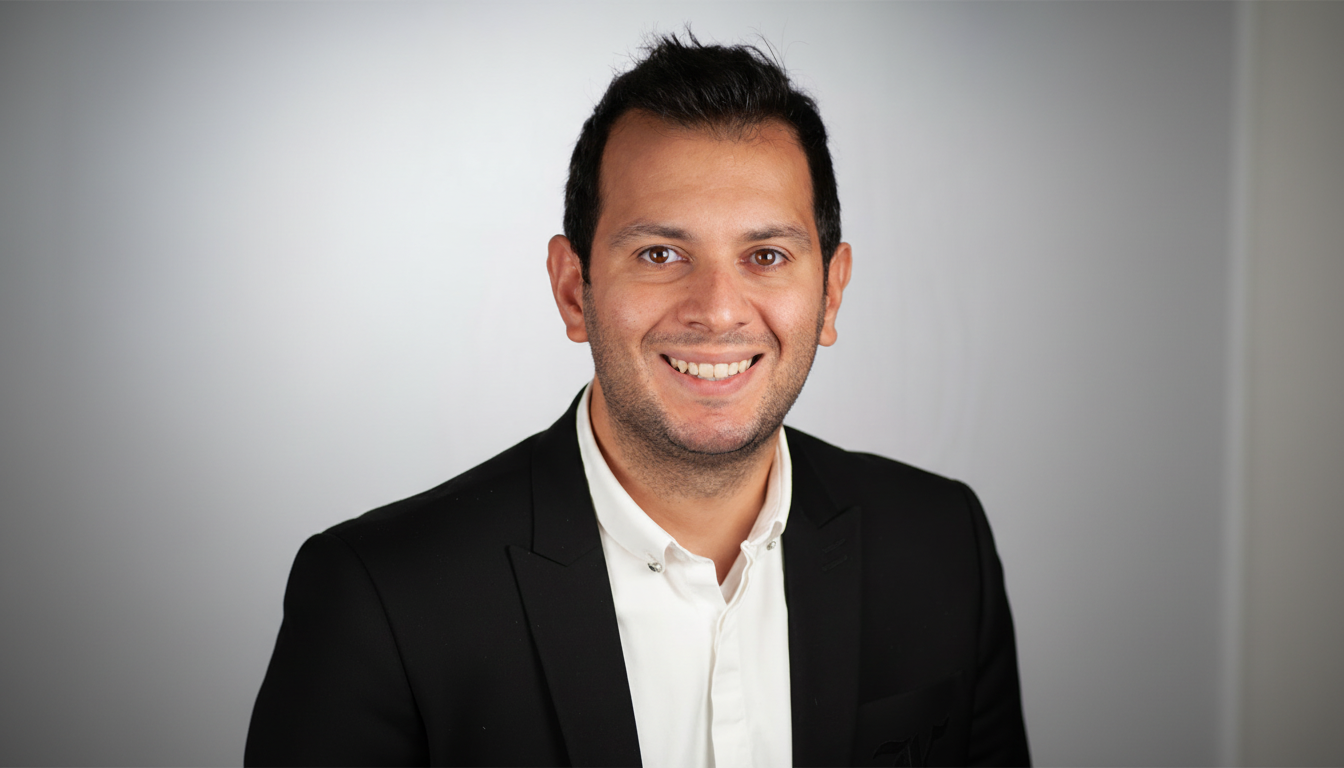
In this conversation, Alina Valcarce, Founder of Valcarce Architects, shares a clear and grounded perspective on what it means to design high-performing buildings today. Working across Europe, Asia, and the Middle East, her approach challenges the traditional separation between form and façade, proposing instead a unified system where architecture, performance, and user experience operate as one.
From sculptural residential projects to complex international developments, this interview explores the real challenges behind façade design: from concept to construction, from sustainability to delivery, and from design intent to market reality.
Alina: A high-performing building today is one that works quietly in the background.
You shouldn’t feel it struggling.
In climates like the Middle East, performance is not optional. it’s fundamental.
The façade needs to manage heat, glare, privacy, and durability all at once. But at the same time, it should still allow light, views, and a connection to the outside.
For me, performance is when architecture, façade, and lifestyle are fully aligned.
If the user needs to constantly close curtains, avoid certain rooms, or rely too heavily on mechanical systems, then the building is not truly performing.
Alina: For me, they are not two separate things.
The form is not something we design first and then “fix” with the façade. The façade is part of the form from the beginning. Curves, terraces, and overhangs are not only aesthetic decisions but also environmental responses.
.jpg)
For example, in projects like Cove, the undulating balconies shape the identity while also creating self-shading, privacy, and depth. That’s where the balance comes naturally. When the design is honest.
The problem comes when the expression is disconnected from performance. That’s where things become expensive, complicated, and often compromised.
Alina: The biggest challenges come when geometry is pushed without fully understanding how it will be built.
Curves, transitions, junctions, these are always the critical points. Not the big idea, but the small connections. That’s where water, movement, tolerances, and materials all come together.

Another challenge is repetition. If every element is slightly different, the façade becomes very difficult to fabricate efficiently.
So, the key is control. You can design something fluid and expressive, but it still needs a system behind it.
Alina: From day one.
We don’t see façade as a later layer. It is part of the concept. Orientation, depth, rhythm, and shading are all embedded in the first sketches.
If façade thinking comes too late, you end up compromising the design or unnecessarily increasing costs.
For us, architecture, façade, interiors, and landscape are always developed together. That’s how you achieve coherence.
Alina: The intent is usually very clear at concept stage, but if it is not translated into precise, coordinated drawings, it gets lost.
This is where façade engineering becomes critical. Having a façade engineering consultant working closely with us from the early stages is key. They play a fundamental role in translating the concept into buildable details, and this is where many of the most important decisions are actually made.
Without that layer of expertise, there is a real risk that the design intent is diluted during development.
The projects that succeed are the ones where design intent is protected all the way through, with strong coordination, clear ownership, and continuous follow-up.
Alina: They improve performance when done properly.
Terraces and overhangs create shading, reduce direct solar exposure, and improve comfort.

They also create a transition between inside and outside, which is very important in residential design today.
But they require careful detailing, especially drainage, waterproofing, and structural integration.
Curves also help soften the environment, but they increase complexity. So again, it comes back to control and coordination.
Alina: Speed and cost pressure.
Markets like Dubai and Saudi Arabia move very fast, and sometimes design development does not get the time it needs. That’s when decisions are pushed to later stages, where changes become expensive.
Another risk is value engineering that removes the essence of the design instead of optimising it.
Complex façades can absolutely be delivered, but they need the right process, the right partners, and enough time to resolve them properly.
Alina: They translate into very practical decisions.
Orientation, shading, natural light, and material selection are all façade strategies. It’s not only about adding technology, but about designing intelligently from the beginning.
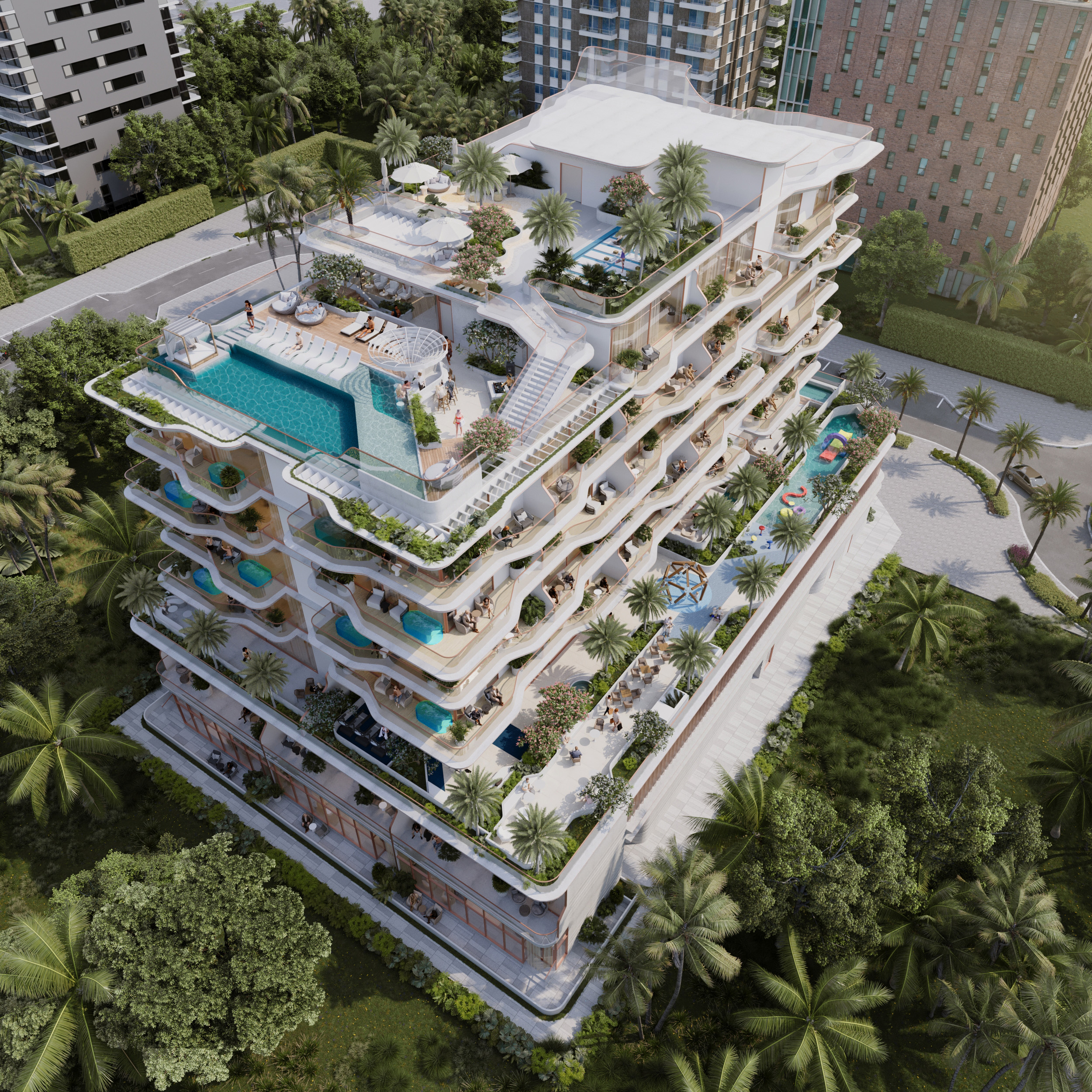
Biophilic design also comes through depth, the integration of greenery, and the creation of visual and physical connections to nature.
For me, sustainability is not something you add. It is something you design into the building from the first line.
Alina: You need to make it part of the core concept, not an optional layer.
If sustainability is treated as an extra, it will always be reduced when budgets tighten.
But if it is embedded in the geometry, orientation, and façade logic, it becomes very difficult to remove without affecting the whole project.
It also comes down to educating clients and aligning expectations early. The conversation needs to happen from the beginning
Alina: The façade is one of the most technical parts of the building, and its final quality depends heavily on who fabricates and installs it.
Early contractor involvement can be highly beneficial if managed properly, as it brings real-world knowledge. But if it comes too late, it often leads to compromises.
From our side, the key stage is during façade engineering.
This is when materials are not just selected aesthetically, but properly studied, tested, and aligned with performance, cost, and buildability.

We usually develop several options with the façade engineer and discuss them with the client to strike the right balance.
Once those decisions are agreed, they are clearly defined and carried into tender, becoming part of the procurement process.
At that stage, it is critical that the specified materials and systems are protected. Procurement decisions can significantly reshape outcomes, so alignment among client, consultant, and contractor is essential to ensure the result matches the original intent.
The key is collaboration, but always with clear design leadership and strong follow-through.
Alina: A façade can look impressive in renderings, but if it doesn’t provide comfort, privacy, and usability, it fails.
Another common mistake is underestimating the role of façade engineering. Many developers still see it as a secondary layer, when it is critical to achieving the design intent. Without the right collaboration between architect and façade engineer, the project loses clarity very quickly.
Detailing is where everything comes together. High-end design is not about expensive materials. It’s about precision, junctions, proportions, and how elements meet.
A beautiful façade can look very poor if the detailing and execution are not resolved properly.
Alina: Each place has its climate, culture, and way of living. You can bring a global vision, but it always needs to be adapted.
At the same time, there are principles that remain constant. For me, one of the most important is the relationship between architecture, façade, and nature. No matter the region, we always look at how the building connects with its landscape, how it breathes, how it sits in its environment, and how people experience that transition between inside and outside.
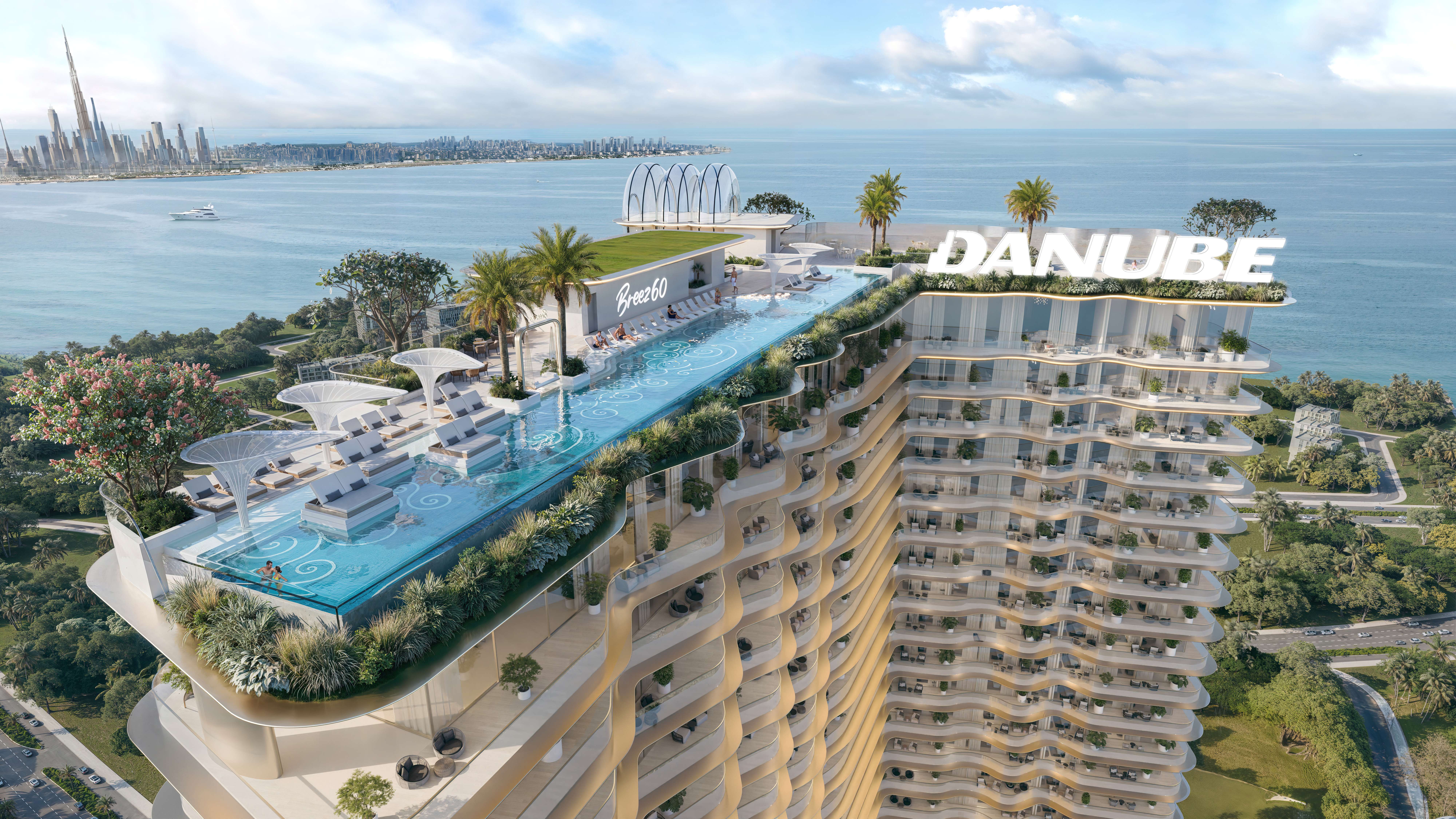
Materials, regulations, and technical conditions will always change from one place to another. But the idea of creating a dialogue between architecture and nature is something we carry into every project, and it often becomes a key driver in shaping the design.
Working across Europe, Asia, and the Middle East taught me to listen more to the place, to the client, and to how people actually live.
Alina: By staying very involved in the design.
For me, growth is not about stepping away; it’s about building a strong team that understands the vision and can carry it forward. It is about communicating with the team.
We work very closely between Dubai and Vietnam, which allows us to combine design direction with strong technical delivery.
But at the end, design integrity comes from clarity. If the idea is strong and well communicated, the team can protect it.
Alina: Not a single moment, but many projects where I saw the gap between concept and reality.
That made me much more focused on execution.
A good idea is not enough; it needs to be built well.
That’s where architecture becomes real.
Alina: I’m very inspired by how different cultures live and interact with space. And also by simple things, light, materials, details and textures.
But beyond that, I’m very passionate about what I do.
For me, work and life are not really separate; they are one. Architecture is something I think about constantly; it’s part of how I see the world.
Even in the more difficult moments, I can say I genuinely love what I do.
That’s what keeps the energy and motivation going.
I also believe it’s very important to keep learning, through people, through projects, through different perspectives.
That openness is what keeps the work evolving.
At the same time, I’m inspired by my team and the process of creating something together. Architecture is never a solo work.
Performance is still often treated as something to solve later.
A layer. A correction. A technical fix.
This conversation proves the opposite.
The façade is not a consequence of design, it is part of it from the beginning.
In fast-paced markets, where speed and image dominate, the real failure is not in the concept, but in the translation.
When architecture, façade, and engineering are disconnected, design intent gets diluted.
Complexity increases. Costs escalate. Quality drops.
Façade design is where architecture becomes real.
It is where form meets physics, where decisions become buildable, and where intent is either protected, or lost.
The difference is not complexity.
It is control, coordination, and strong design leadership.
Because in the end, performance is not what you add.
It is what you design.






























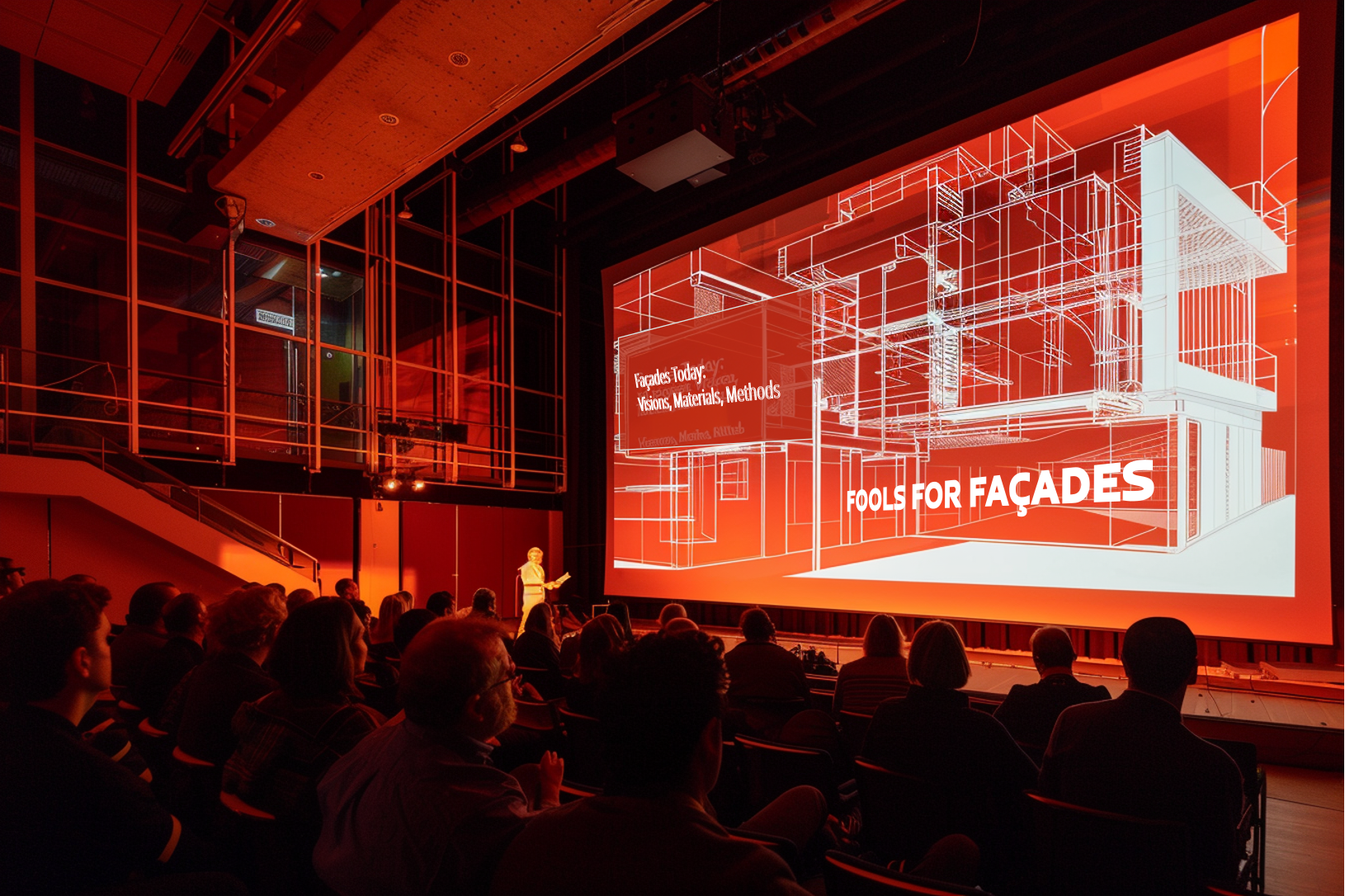
"Facades Today": is a one-day conference exploring contemporary approaches to façade design, innovation, and cultural meaning.
Expect critical insights, surprising case studies, and practical visions for what comes next in urban envelopes.

Location:
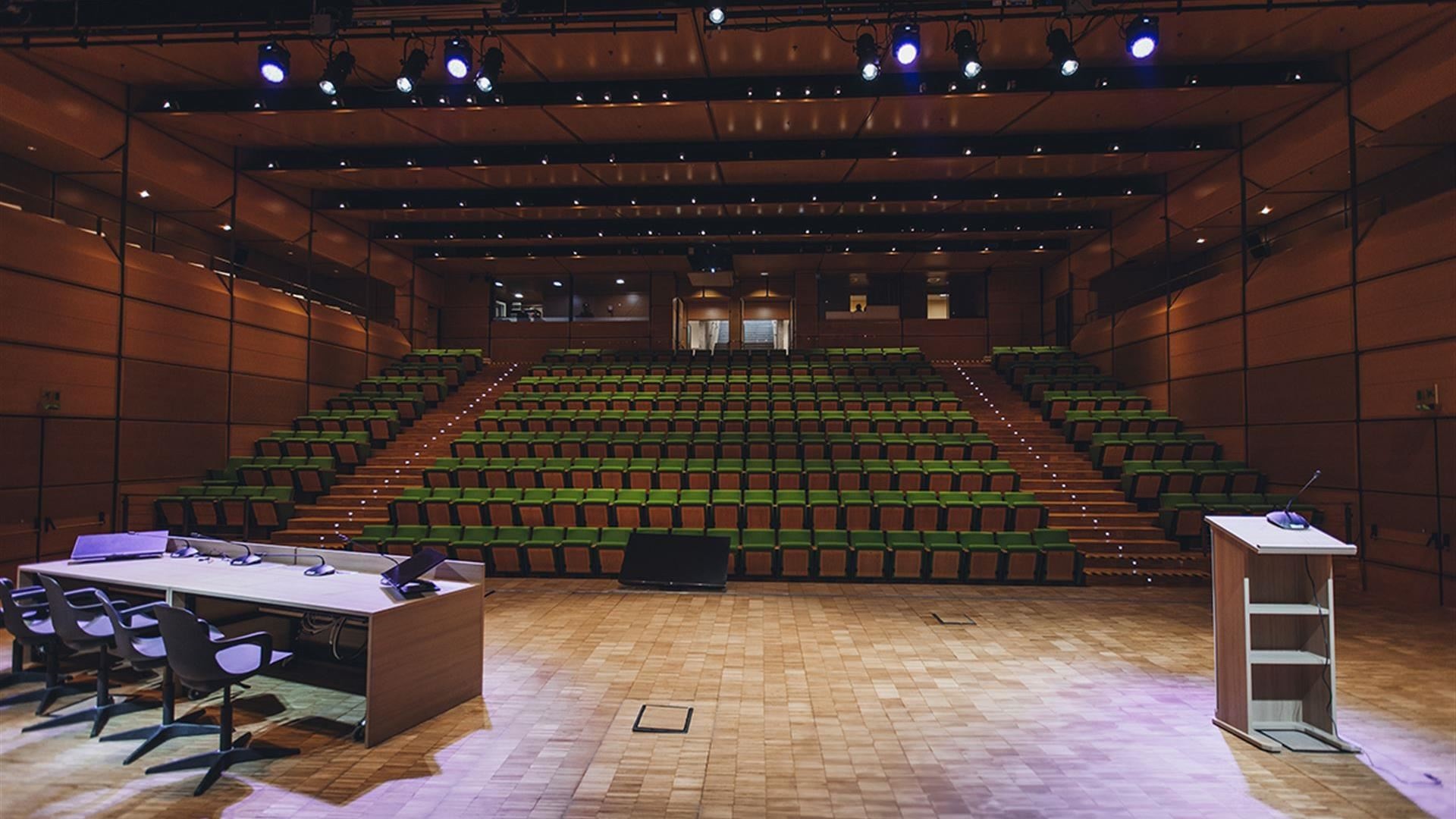
Milan, Monte Rosa 91 - Auditorium

Date:
April 24, 2026 — 09:00 to 18:00

Audience:
The people who shape buildings—designers, engineers & makers

Contact: events@foolsforfacades.com
Join the archive that celebrates architecture’s most iconic façades.
If your company played a role—through materials, systems, or expertise—let us know.
We’re building a record of the people and products behind the world’s most influential buildings.
Are you working on façade innovation, materials, or design methods?
Submit your study and be part of the conversation shaping tomorrow’s architecture.

.png)
.png)
.png)