





















In the evolving world of façade engineering, the most impactful work no longer belongs to a single discipline.
Kais Al-Rawi operates at the intersection of architecture, engineering and technology, where complex geometries, performance requirements and digital workflows converge into buildable reality.
As Associate Director at Eckersley O'Callaghan in Los Angeles, his work spans some of the most ambitious projects in North America, from cultural institutions to large-scale infrastructure, all unified by one key element, the façade as a system of intelligence.
From computational design to material performance and fabrication logic, this conversation explores how façades are evolving into one of the most advanced fields within the AEC industry.
Kais: Facade design is central to my role at Eckersley O’Callaghan, it often means developing creative solutions to complex building challenges.
The nature of façades is inherently multi-faceted, I collaborate with various stakeholders to achieve a careful balance between design intent, performance, cost and constructability.
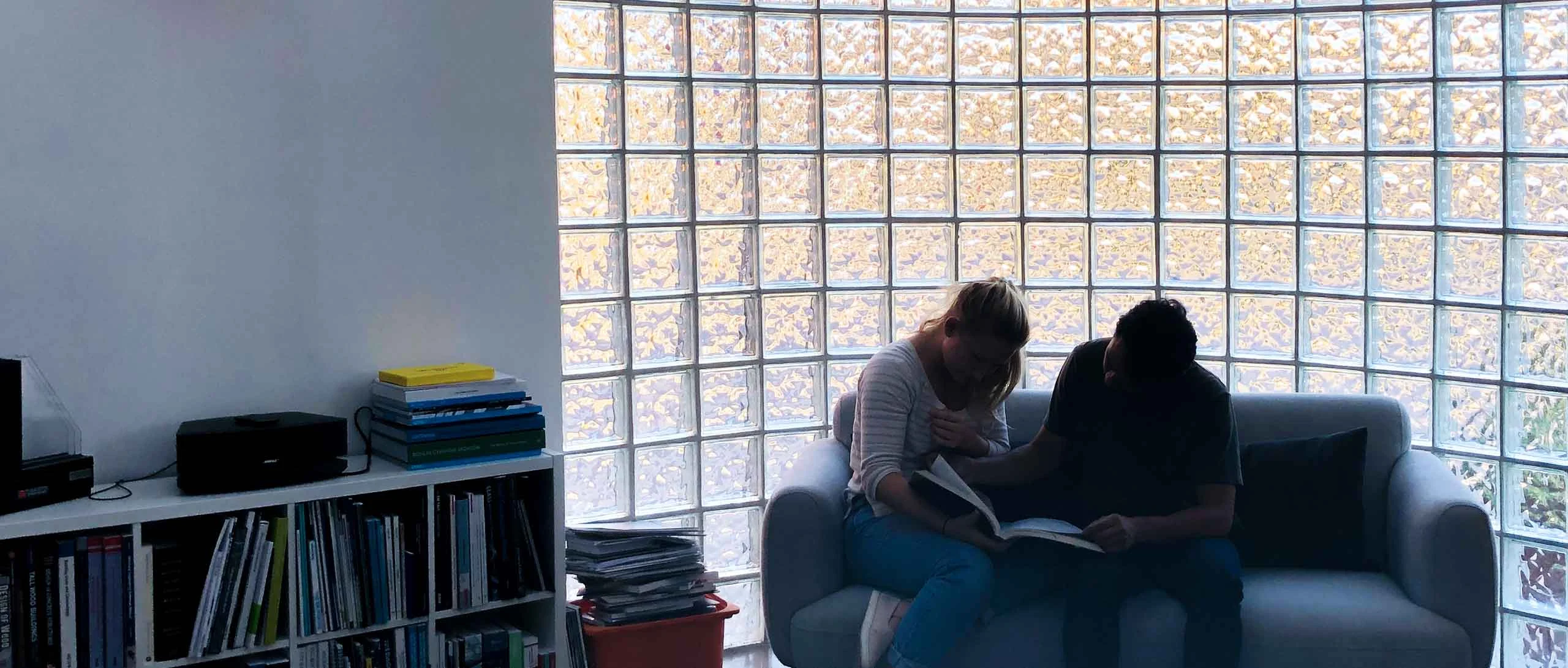
Kais: This goes back to my postgraduate studies at the AA in London in the Emergent Technologies and Design Masters degree, where I became increasingly interested in how performance and material science can influence design.
This sparked a particular interest to pursue a career that focuses on architect-engineer collaborations and creating iconic and innovative work through such collaborations.
Kais: In my view, the facade always has a critical role, both in reflecting the architecture of a building but also its performance.
Our team in the west coast is currently working on a wide range of exciting projects across different market sectors including mixed use, biotech, healthcare, private residences as well as student housing and affordable housing.
Each project whether simple or complex has its own set of exciting aspects when it comes to the facade.
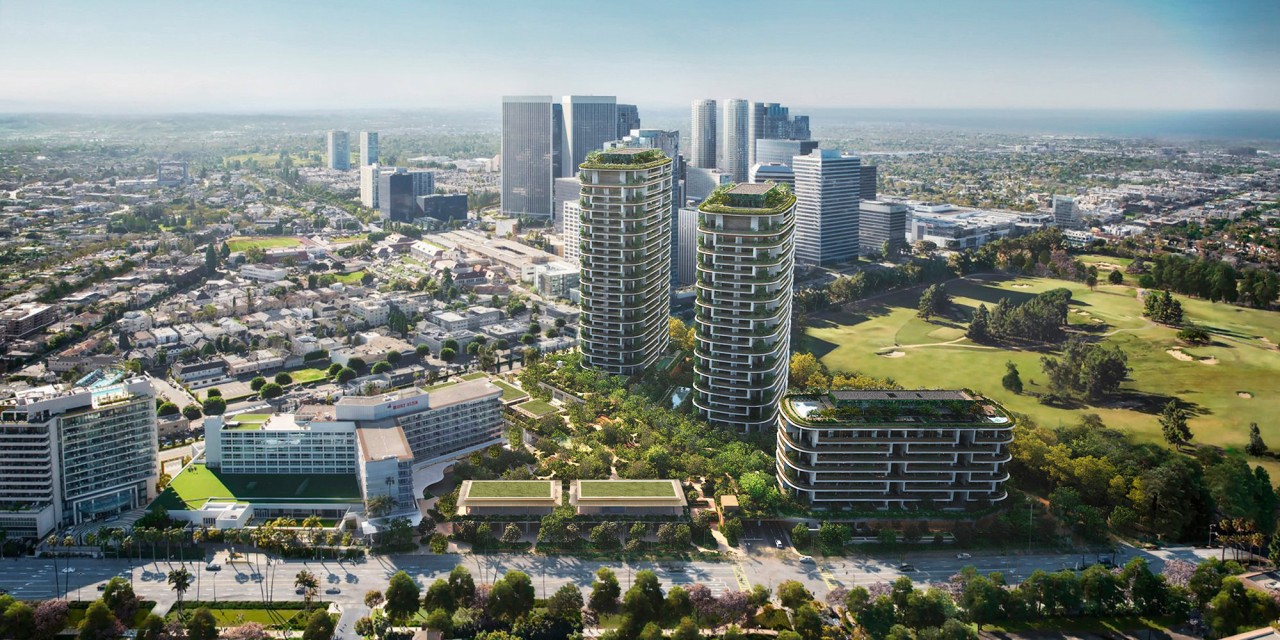
I am currently leading our our efforts on the iconic One Beverly Hills development, which includes the Aman Beverly Hills hotel, two Aman-branded residential towers, an Aman Club, curated luxury retail, dining and wellness spaces, and 10 acres of botanical gardens and open space.
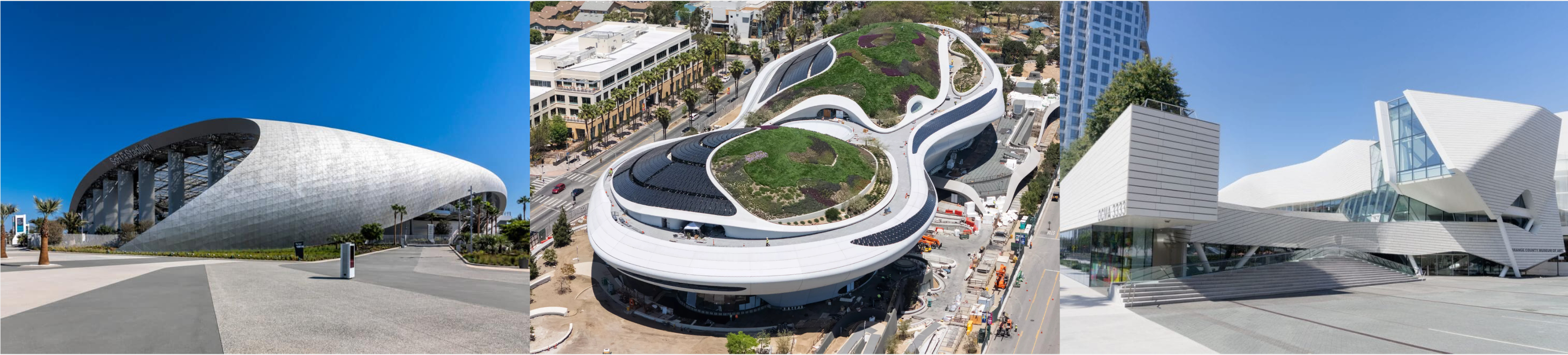
Kais: I’ve been fortunate to contribute to several landmark projects such as the Lucas Museum of Narrative Art, SoFi Stadium, the Orange County Museum of Art, and San Diego Airport T2.
Each project brings its own unique challenges, but that’s also where the most exciting opportunities arise.
Such buildings often push the limits of façade design, whether that’s through using material in an innovative and novel way, high-fidelity computational modelling, integrating building performance and user comfort or experience with design intent, or cross-industry techniques that are brought into facades.
Kais: I believe that we are witnessing a shift in computational design from being the enabler of complex facades, or the generator of facade designs, to a wider set of tools that improve and streamline our day-to-day workflows in facade engineering.
This includes providing technical input early in the process, and creating higher accuracy in design, both of which I find quite exciting as they can aid the design process in earlier stages of ideation and streamline later stages of detailing and execution.
I’m equally excited about the potential that AI brings to our industry and ultimately see technology being an integral part and parcel of architecture and engineering, rather than a subset or addition.
Kais: Frankly, all of it.
I love the early concept stages where ideas are fluid and new possibilities can be explored freely.
But I also find great satisfaction in later phases, detail development, constructability, and seeing ideas materialize on site.
The cyclical nature of learning from construction and feeding that knowledge back into early design is what I find most rewarding, it closes the loop between concept and reality and provides a sense of incrementally improving the overall process.
Kais: My teaching has focused on passing on my experience with technology in AEC to the next generation of architects and engineers, in combination with research themes that I find particularly interesting and create space for ideation.
With the AA, I’ve set agendas around nature-inspired design for several years, followed by extra-terrestrial design on Mars.
At USC, in recent years I’ve placed emphasis on two topics, the first is sustainability + resilience, encouraging students to think about the matter of fact that every element in their design has embodied carbon, and thinking about responsible material use and fabrication efficiency, circularity and material re-use.
The second topic is AI integration, each year we test different methods of using AI in combination with parametric workflows as the technology is rapidly evolving.
Kais: My involvement in extraterrestrial design, particularly for Mars, has been through both teaching and research initiatives with the AA and as a judge for NASA’s competition.

What fascinates me most is how extreme environmental conditions force radically efficient design thinking.
For example, galactic cosmic rays are a far more serious design criteria than solar heat gain on facades, they are fatal, and blocking them requires substantial material.
We explored interesting big concepts such as building into existing rock and dune formations, harnessing dust from the frequent Martian dust storms as a cladding material, to building below-grade and utilizing in-situ materials with 3D Printing.
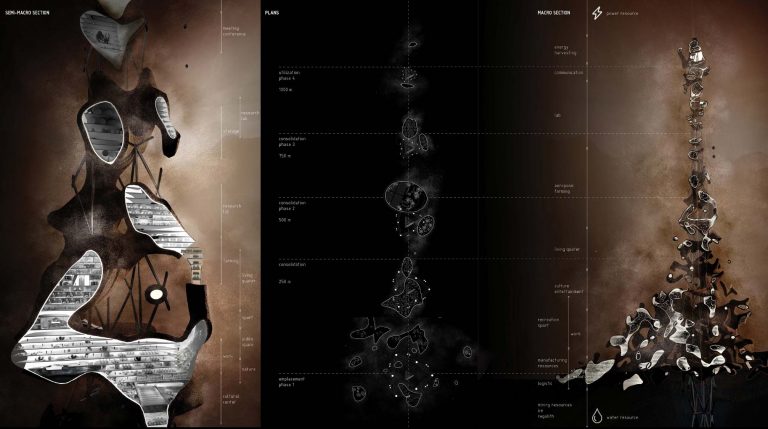
These concepts, while developed for space, have clear parallels on Earth, prompting us to design with material scarcity, resilience, and adaptability in mind.
Kais: Around a decade ago, I was involved in developing digital workflows for a major airport project.
We created a fully interoperable model that linked design, structural analysis, and documentation, all derived from a single driver geometry.
This approach fundamentally transformed how we coordinated across disciplines, improving both efficiency and accuracy.
The pivotal moment was when the airport had to be resized due to budget constraints, mid-way through the entire design process and with no schedule extension.
The parametric setup enabled my team to very efficiently implement the change in driver geometry and leverage the connectivity of parameters and software to deliver that change in days instead of weeks or months.
It created a success story for the project that continues to resonate today.
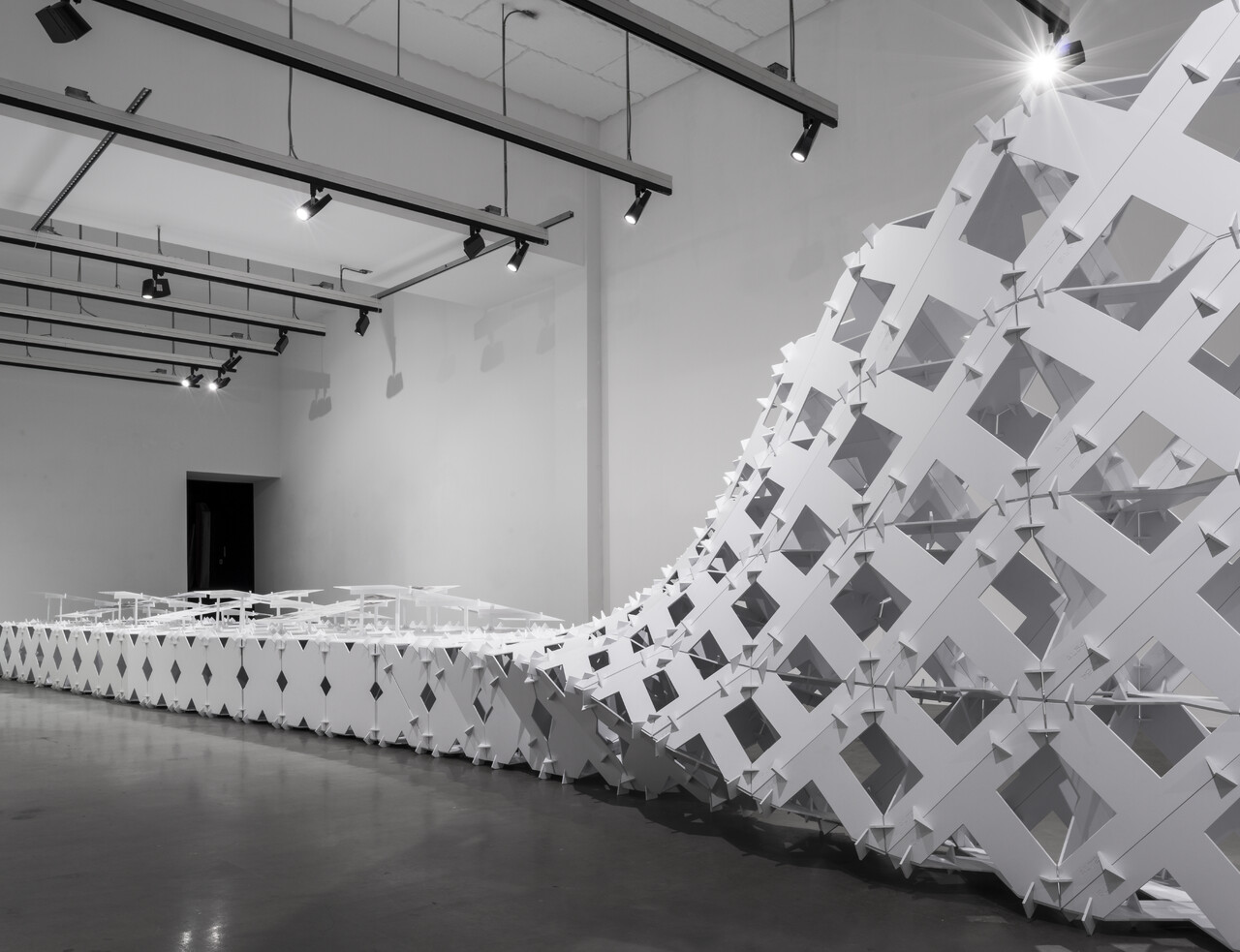
Kais: I’ve always been interested in nature-inspired design and I would think back of my dissertation project at the AA, entitled Cellular Complexity which I collaborated with Julia Koerner and Marie Boltenstern on.
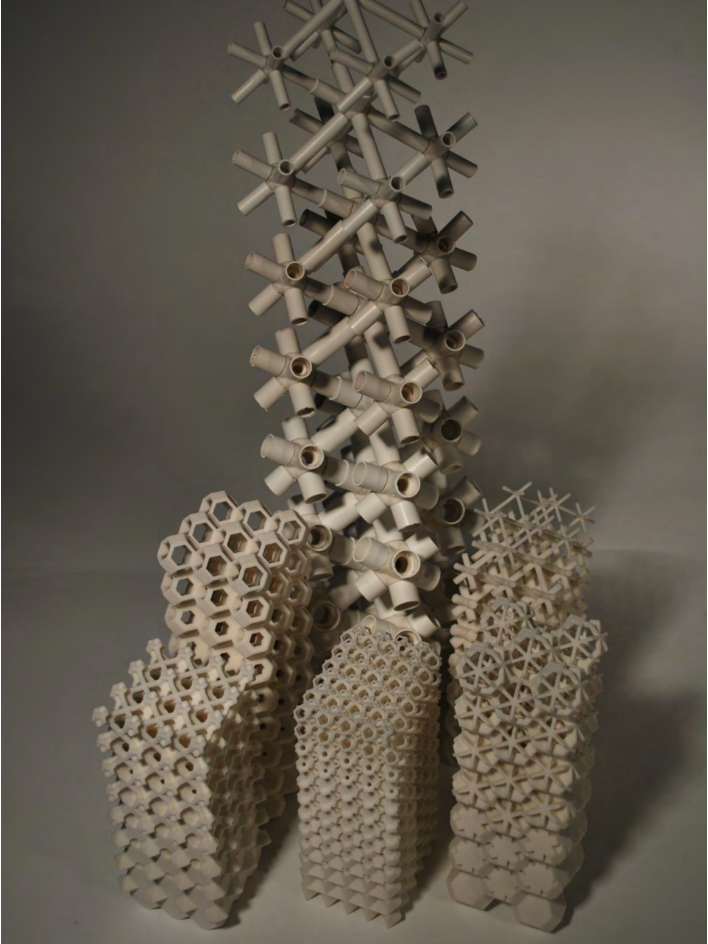
We investigated how geometry solely could create performance, which is an aspect inherent in nature.
We did that through thinking about building blocks as cells where porosity controls performance, whether its visual, thermal, acoustic, solar, etc.
Kais: We are unfortunately in a climate crisis which requires us to advance material re-use, I would say all existing facades that are slated for demolition are underutilized material resources for new facades.
We also need to advance the development of materials and systems that can be re-used with minimal processing and carbon as existing materials were not developed with that intent.
What emerges from this conversation is not just a personal trajectory, but a clear signal of where the façade industry is heading.
Façades are no longer defined by form alone.
They are defined by data, performance, adaptability and intelligence.
The shift Kais describes is critical, from computational design as a generator of form to a fully integrated decision-making system.
This changes everything.
It means earlier technical input, faster iteration cycles, tighter integration between disciplines, and ultimately, more buildable innovation.
But perhaps the most relevant insight for today is about material responsibility.
In a moment where the industry is still largely focused on new systems and new materials, the idea that existing façades are untapped resources reframes the entire conversation.
The future of façades may not only be about what we design next, but about how intelligently we reuse what already exists and design new facades for that to happen more effectively in the future.






























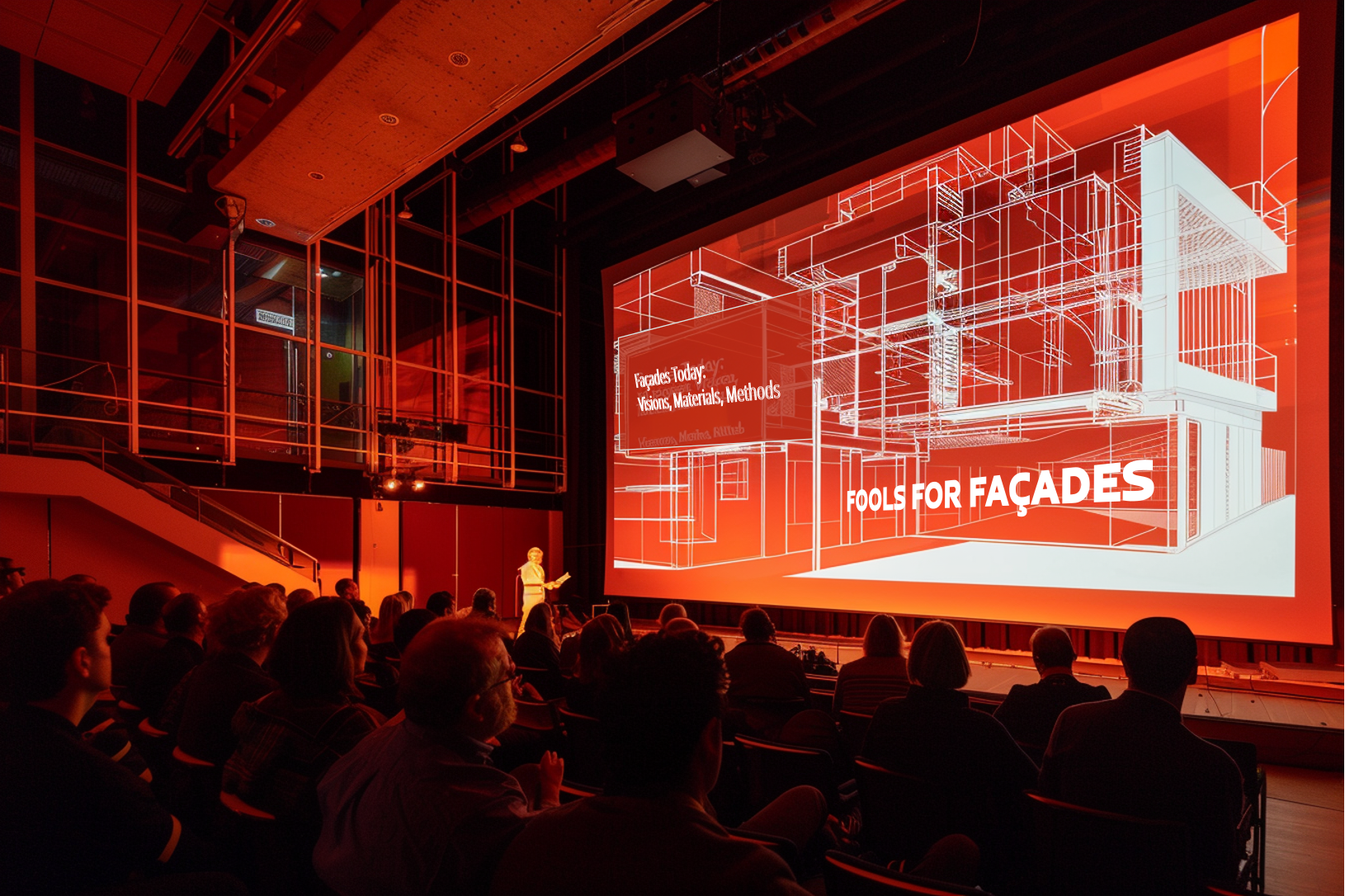
"Facades Today": is a one-day conference exploring contemporary approaches to façade design, innovation, and cultural meaning.
Expect critical insights, surprising case studies, and practical visions for what comes next in urban envelopes.

Location:
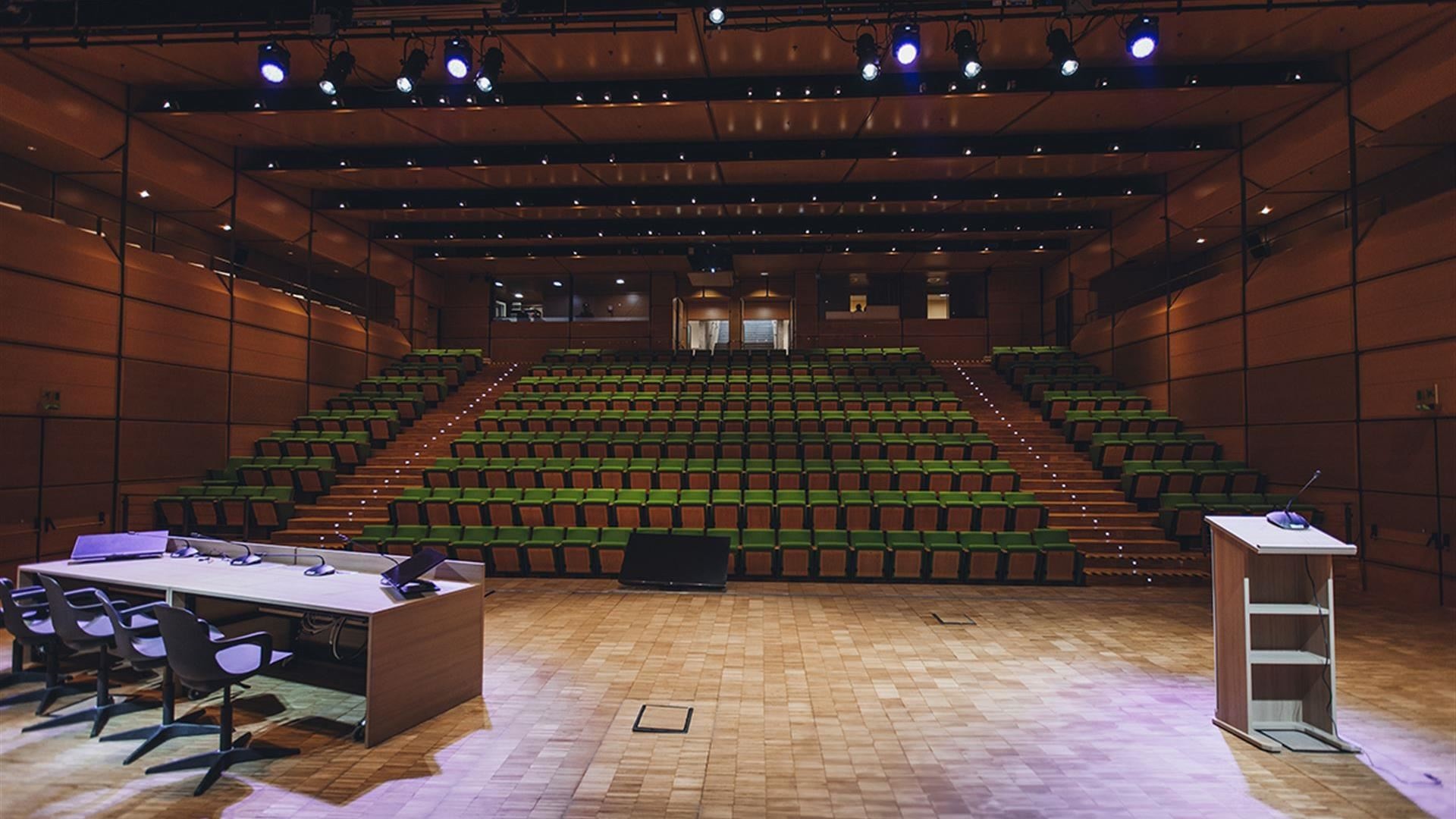
Milan, Monte Rosa 91 - Auditorium

Date:
April 24, 2026 — 09:00 to 18:00

Audience:
The people who shape buildings—designers, engineers & makers

Contact: events@foolsforfacades.com
Join the archive that celebrates architecture’s most iconic façades.
If your company played a role—through materials, systems, or expertise—let us know.
We’re building a record of the people and products behind the world’s most influential buildings.
Are you working on façade innovation, materials, or design methods?
Submit your study and be part of the conversation shaping tomorrow’s architecture.

.png)
.png)
.png)