






















Traditionally, windows and doors have been treated as isolated elements, defined by performance metrics like thermal insulation, airtightness, or security.
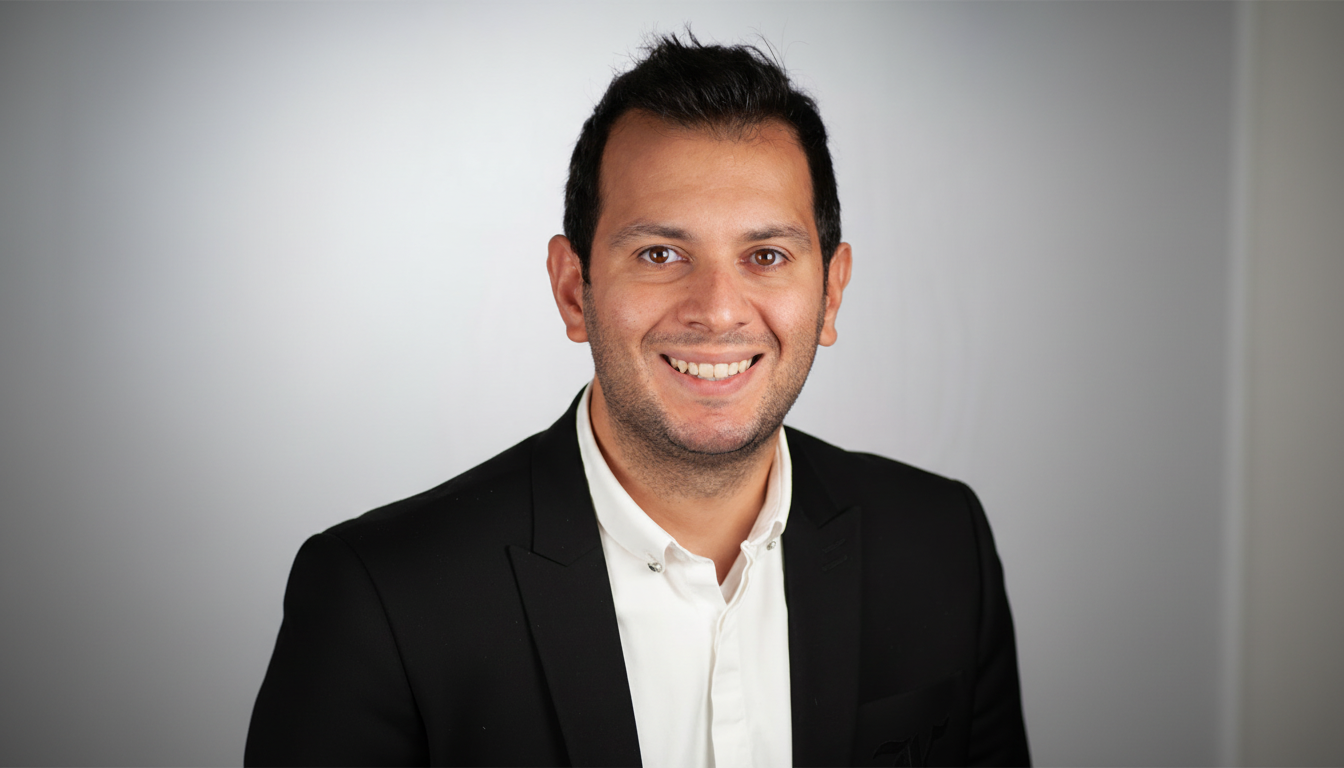
But today, according to Markus Bade, the industry is moving toward something much broader: a fully integrated system approach
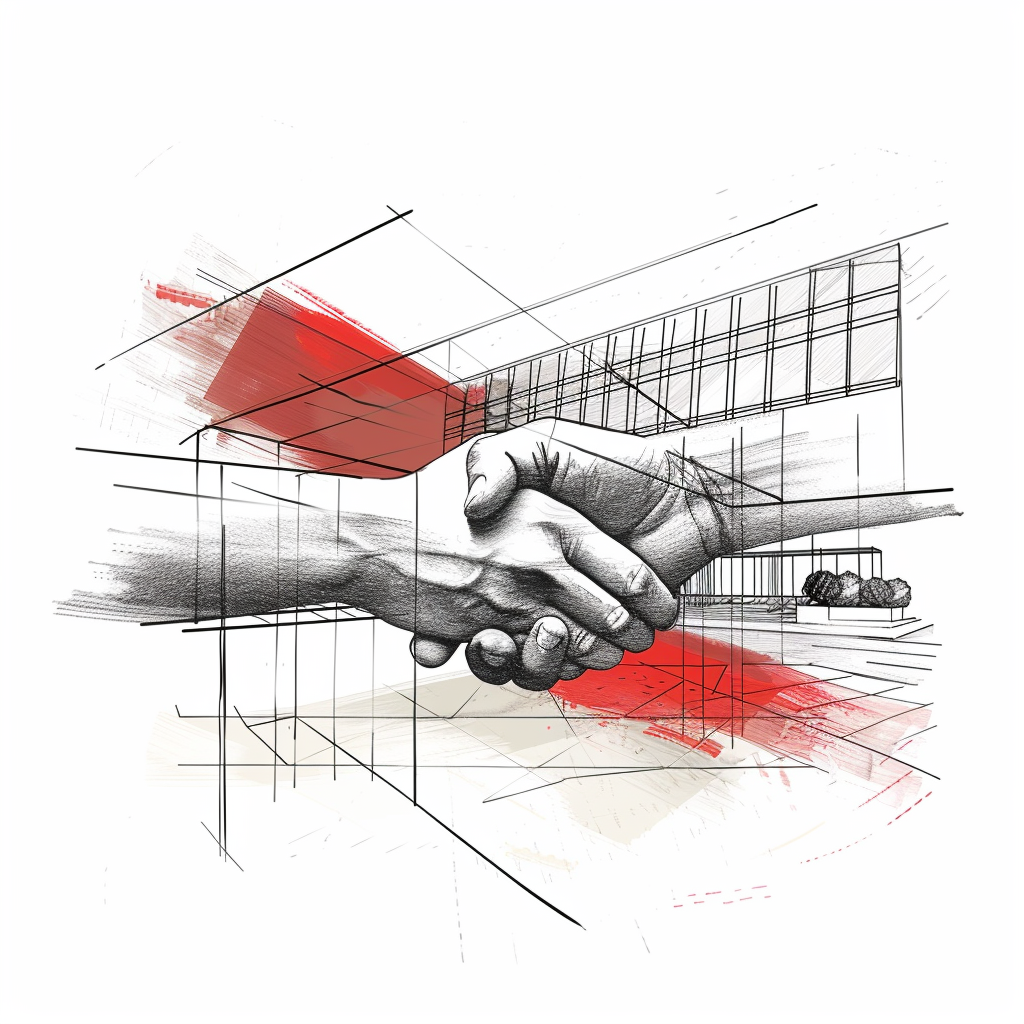
This means that openings are no longer standalone products.
They are becoming part of a connected ecosystem, interacting with:
– building automation systems
– environmental sensors
– HVAC infrastructure
– user interfaces
The implication is profound: windows are evolving into a system of intelligence.
One of the key ideas behind SIEGENIA’s vision is what they define as 360° room comfort.
This concept merges multiple layers of performance into one unified experience:
– natural and controlled ventilation
– safety and security
– automation and smart control
– ease of use
Rather than optimizing each element separately, the goal is to create a holistic indoor environment where systems communicate seamlessly.
This is where technologies like KNX integration and emerging standards such as Matter become critical.
The integration of façade systems into building automation is no longer experimental.
Through solutions like the KNX Gateway, SIEGENIA enables windows, doors, and ventilation systems to become active participants in a building’s digital infrastructure.
This allows:
– centralized control of openings
– automated ventilation scenarios
– real-time response to environmental data
– integration with lighting, shading, and HVAC
Looking forward, the adoption of Matter points toward an even more interoperable future, where devices from different manufacturers can communicate within a shared ecosystem.
In this scenario, the window is no longer just an opening.
It becomes a node in the network.
As systems become more complex, usability becomes critical.
Bade highlights how future development is not just about adding features, but about balancing:
– technical performance
– intuitive interaction
– reliability
– integration simplicity
The challenge is clear:
how do you make advanced systems feel effortless to the user?
This is where product design, software, and hardware engineering must converge.
As buildings become smarter, more connected, and more user-centric, the role of the façade will continue to expand.
What was once a boundary is now becoming an active interface between people, environment, and technology.
And in this transformation, windows may turn out to be one of the most important elements of all.
FFF Talks is a content format by Fools for Façades, exploring conversations with industry leaders shaping the future of the building envelope.






























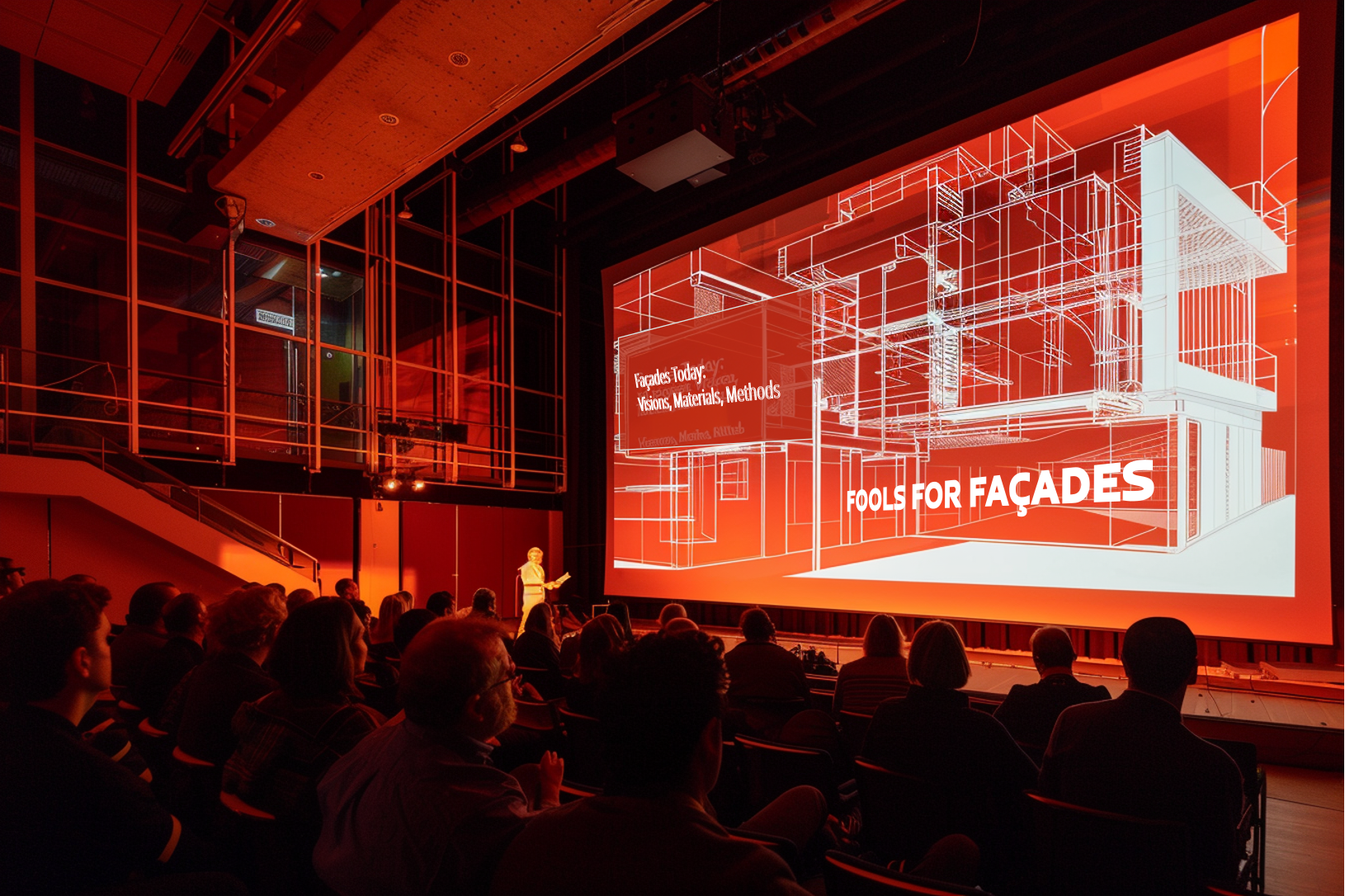
"Facades Today": is a one-day conference exploring contemporary approaches to façade design, innovation, and cultural meaning.
Expect critical insights, surprising case studies, and practical visions for what comes next in urban envelopes.

Location:
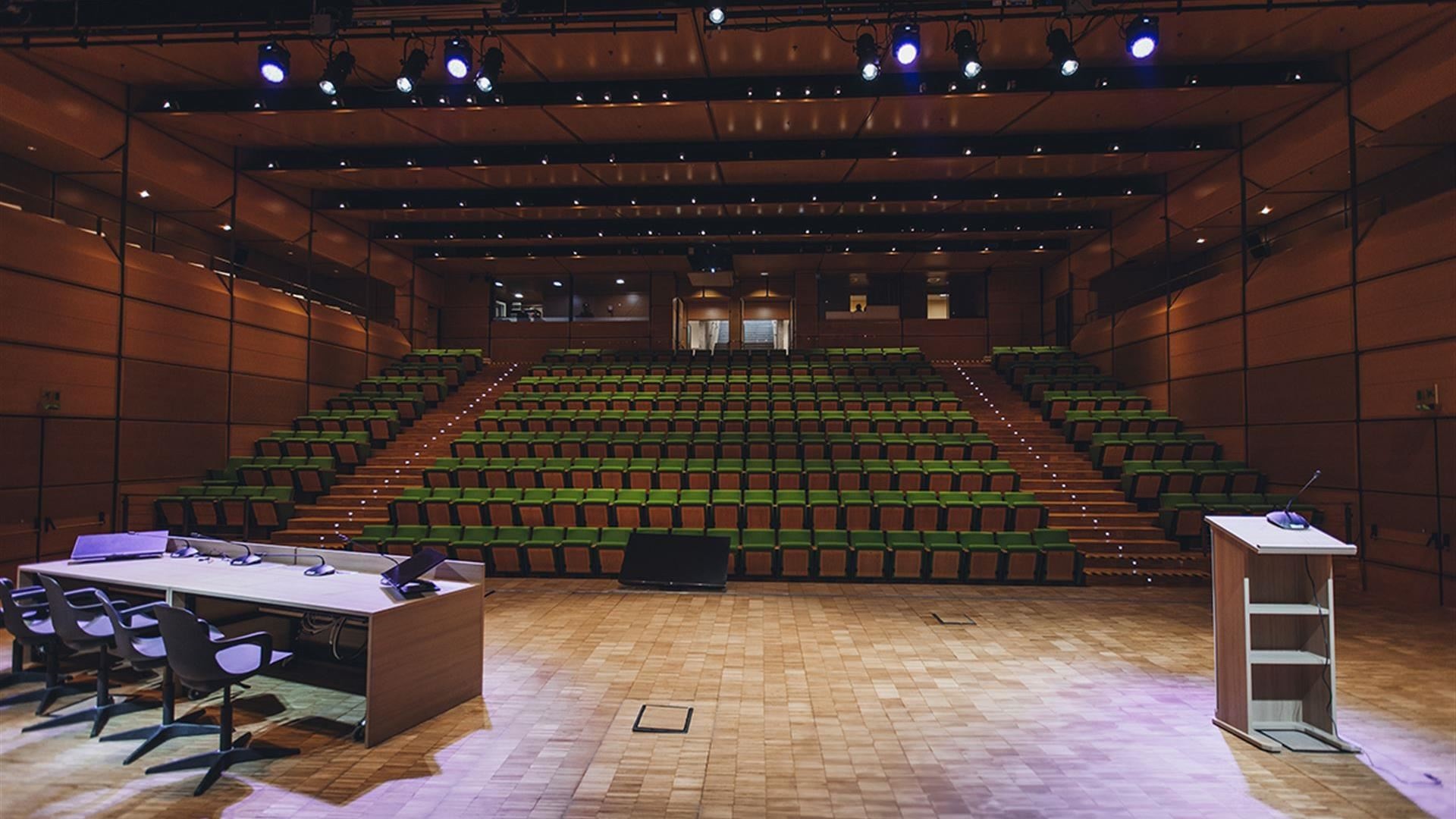
Milan, Monte Rosa 91 - Auditorium

Date:
April 24, 2026 — 09:00 to 18:00

Audience:
The people who shape buildings—designers, engineers & makers

Contact: events@foolsforfacades.com
Join the archive that celebrates architecture’s most iconic façades.
If your company played a role—through materials, systems, or expertise—let us know.
We’re building a record of the people and products behind the world’s most influential buildings.
Are you working on façade innovation, materials, or design methods?
Submit your study and be part of the conversation shaping tomorrow’s architecture.


.png)
.png)
.png)