
0



What does it really take to deliver a high-performing building today?
Beyond design intent and visual ambition, architecture operates within a complex system of constraints: cost, procurement, timelines, and constructability.
Nowhere is this more evident than in façade design, where performance, detailing, and execution must align precisely to achieve real-world results.
In this conversation, Anine Eschberger Wortmann offers a grounded and highly technical perspective shaped by over 15 years of experience across design, delivery, and project leadership.
Her insights go beyond theory, addressing the realities of how buildings are actually delivered, and where they often fail.
.jpeg)
FFF: Hi Anine, from your perspective, what defines a high-performing building today?
Anine: A high performance building is an optimized (everything working together efficiently), resilient, low carbon emissions, occupant centred building with a high performing façade.
It delivers measurable improvements in energy use, comfort, durability, aesthetic appeal, and long term value.
FFF: At what stage of a project do façade and envelope decisions have the greatest impact?
Anine: The most influential stage is the transition from concept to schematic design. That’s when massing, glazing ratios, façade system selection, and performance targets are defined.
After this stage, changes become much costlier and far less effective.
FFF: In complex projects, where do façade design ambitions most often clash with cost or delivery constraints? What can the solution for this be?
Anine: On complex projects, façade design ambitions most often clash with cost and delivery when design complexity, high performance targets, and tight schedules come together.
This conflict is exacerbated when late decisions cause scope creep, long lead times, and critical path delays.
The solution is early collaboration and clear alignment among owners, architects, and engineers on priorities, constraints, and realistic delivery paths.
FFF: In your experience, what separates a façade that works well on paper from one that performs well in reality?
Anine: A façade that performs in reality is designed for real world variability, constructability, and verification rather than idealized computer simulations. It requires robust detailing, early prototyping, and a testing and commissioning plan to close the gap between simulated and as built performance.
FFF: How do sudden cost pressures typically reshape façade strategies in real projects?
Anine: Sudden or late cost pressure pushes teams toward simpler, repeatable systems, fewer bespoke details, and earlier trade offs between performance and budget. The result is more standardized assemblies, tighter product pathways, and greater reliance on proven suppliers, often with reduced mock ups and narrower procurement options. Resolve this by aligning cost expectations, design intent, and performance targets early in the process.
FFF: How do procurement and contract structures influence façade decisions during a project?
Anine: Procurement and contract form are not administrative details; they are design tools that shape façade decisions, including who assumes risk, when specialists are engaged, and whether performance or price governs choices.
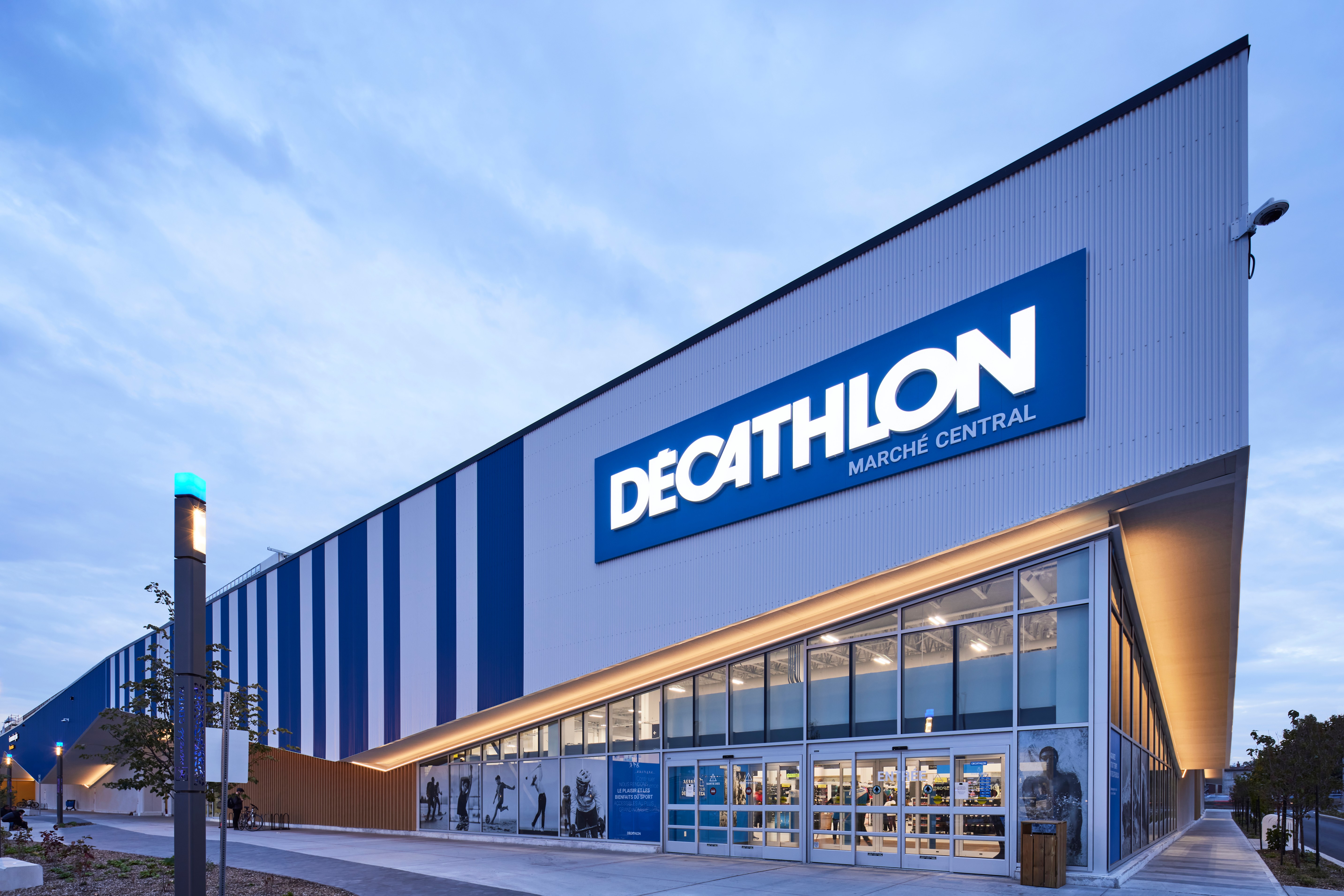
These decisions directly affect constructability, durability, and long term performance. Treat procurement and contract strategies as deliberate instruments to safeguard façade intent and performance rather than as afterthoughts that allow façades to be “value-engineered” into mediocrity.
FFF: Many architectural practices struggle with financial clarity. Why do you think financial performance is still not fully understood within the profession?
Anine: As architectural education emphasizes craft over commerce, many practices lack the financial literacy and systems to translate design effort into predictable profit. Architects typically learn business skills on the job, while project based billing, complex fee structures, and weak KPIs obscure true costs and margins.
My framework, “The Four Pillars of Financial Success in Architectural Practice”, distils these challenges into practical metrics and formulas that enable teams to make data driven decisions and manage profitability without compromising design quality.
FFF: How do inefficiencies in design workflows impact project outcomes, especially at the façade level?
Anine: Inefficient design workflows increase façade risk by turning coordination gaps and late decisions into ambiguous interfaces and tolerance conflicts that cause rework, water ingress, air leakage, and thermal bridging.
Those failures drive schedule delays, cost overruns, warranty claims, and reduced durability, exposing teams to reputational and legal risk. Early specialist engagement, a single source of truth, and performance based testing and contractual acceptance mitigate these risks and protect design intent.
FFF: Many smaller practices struggle to access public projects. How can procurement systems today be designed to be more inclusive?
Anine: Many smaller practices in Canada struggle to access public-sector work. That’s why I advocate for procurement reform that creates fair, transparent pathways for emerging small and mid sized firms to participate rather than ceding public work solely to large legacy firms. Simplified bidding, contract unbundling, cross scale collaboration, outcomes driven evaluation, and recognition of alternative qualifications can dismantle systemic barriers and position procurement as a catalyst for architectural creativity and improved façade outcomes.
FFF: Based on your experience, what is one shift you believe the profession still needs to embrace?
Anine: Although the construction industry has embraced Artificial Intelligence (AI), the profession still needs to commit to its responsible and ethical application.
AI can strengthen façade design integrity through rapid concept generation and visualization, but it must never displace creativity, human oversight, professional judgment, or our accountability to the public.
FFF: Looking back, was there a project or experience that reshaped how you approach collaboration?
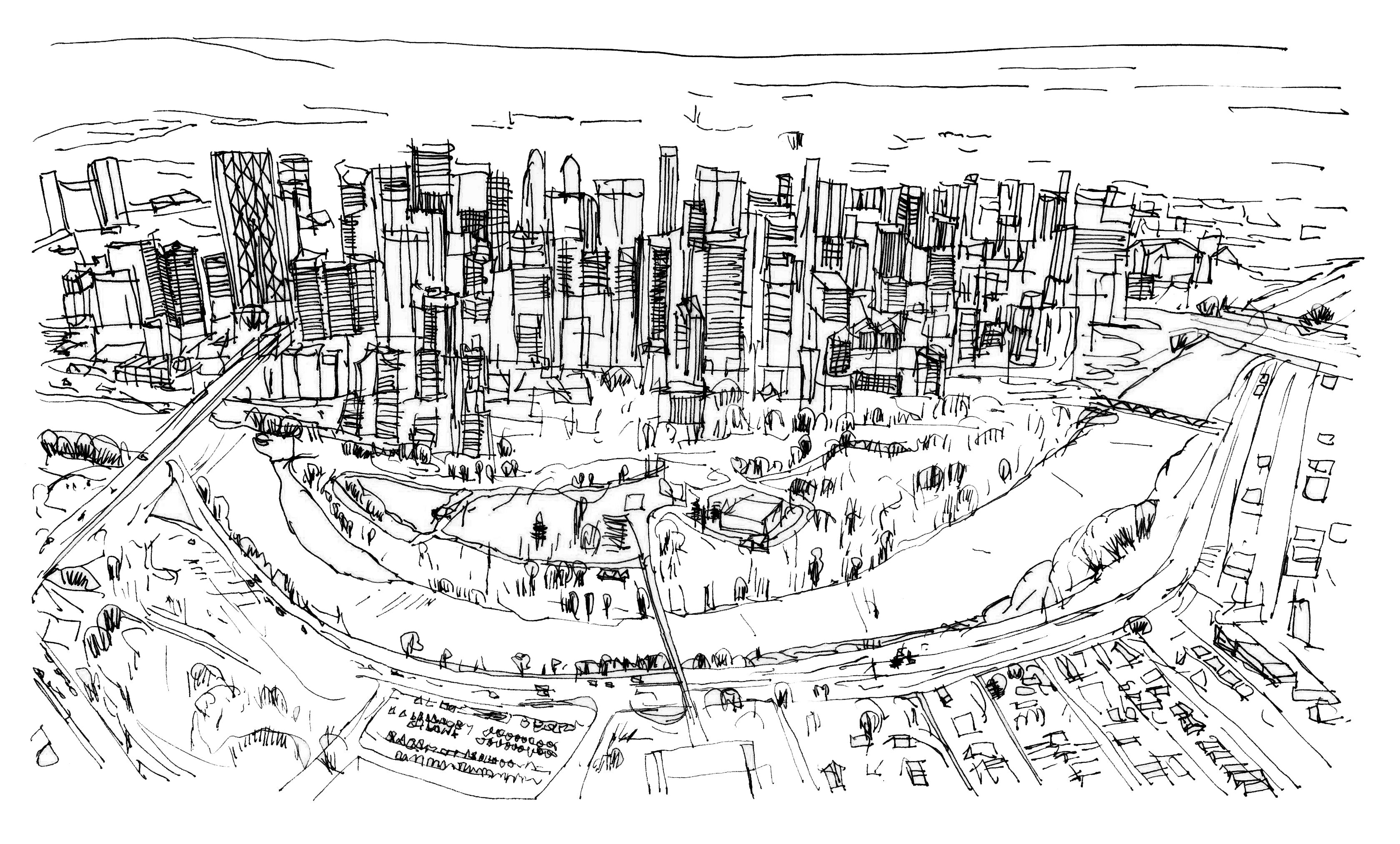
Anine: As an architecture student in Pretoria, South Africa, I was shaped by mentors who believed in traditional sketching and in resolving site issues directly through hand drawings and rapid visual thinking. Even in an era defined by BIM and AI, I still find that the strongest collaboration happens in in person “big room sessions” where all stakeholders work through challenges together on whiteboards. That immediacy, shared focus, and collective problem solving has stayed with me and continues to shape how I approach collaboration today.
FFF: Outside of work, what keeps you inspired and engaged today?
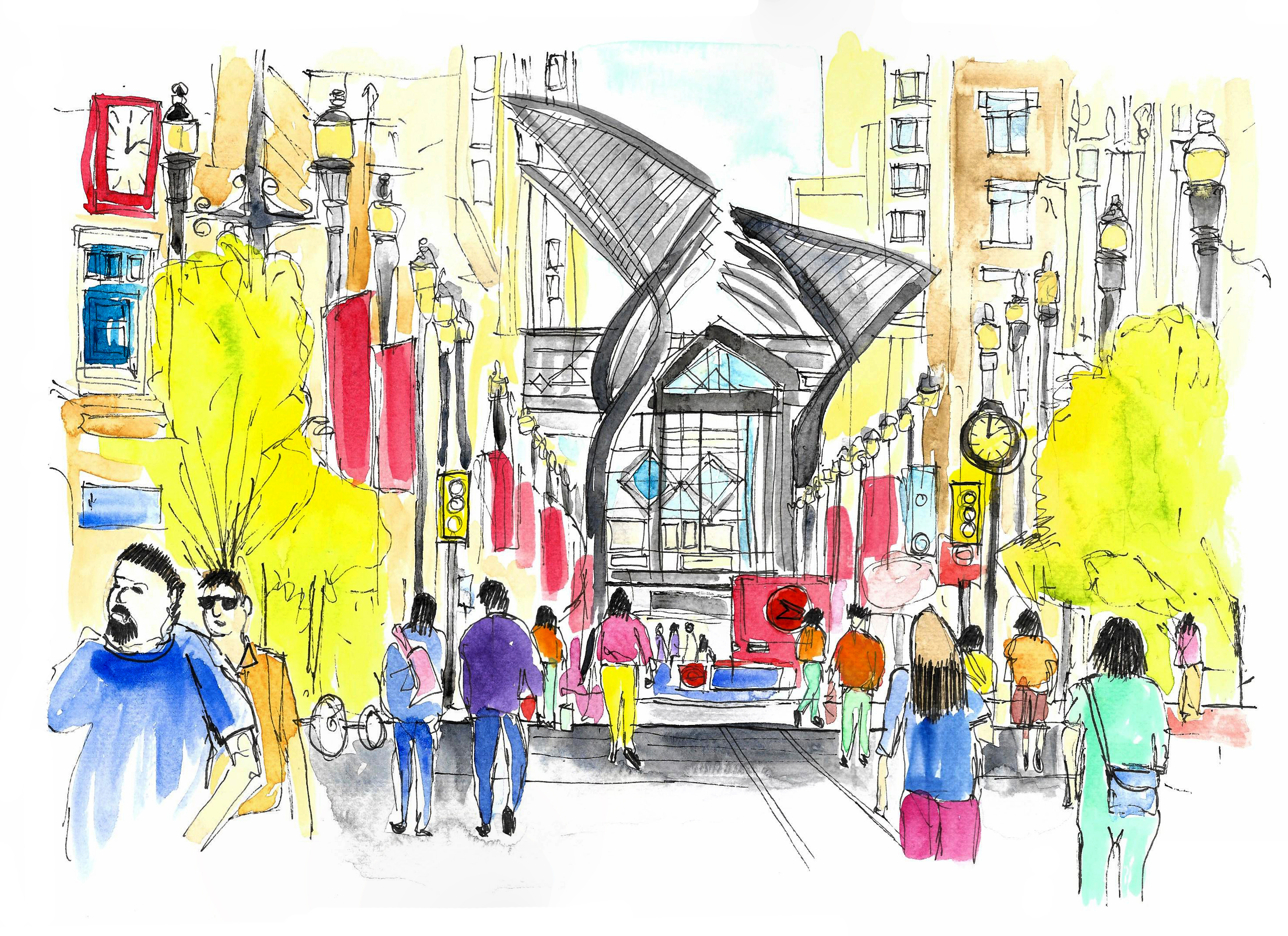
Anine: Outside work I’m grounded by my family life in being a wife, mother of two daughters, and cat owner. We recharge outdoors through hiking and attending our local ‘parkrun’ event. I also read academic papers, sketch, and paint in watercolour as these practices continually inform my design thinking.
FFF Perspective
This conversation highlights a critical shift in contemporary architecture:
Performance is no longer just a design ambition, it is a delivery challenge.
And the façade sits exactly at that intersection.
Anine's public profiles:
LinkedIn: https://www.linkedin.com/in/aninewortmann/
Behance: Anine Eschberger Wortmann - Architect in Calgary, Alberta, Canada
Events
%201.png)

%201.png)
%201.png)
News
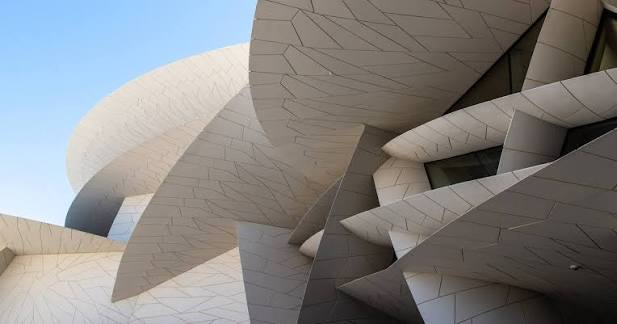
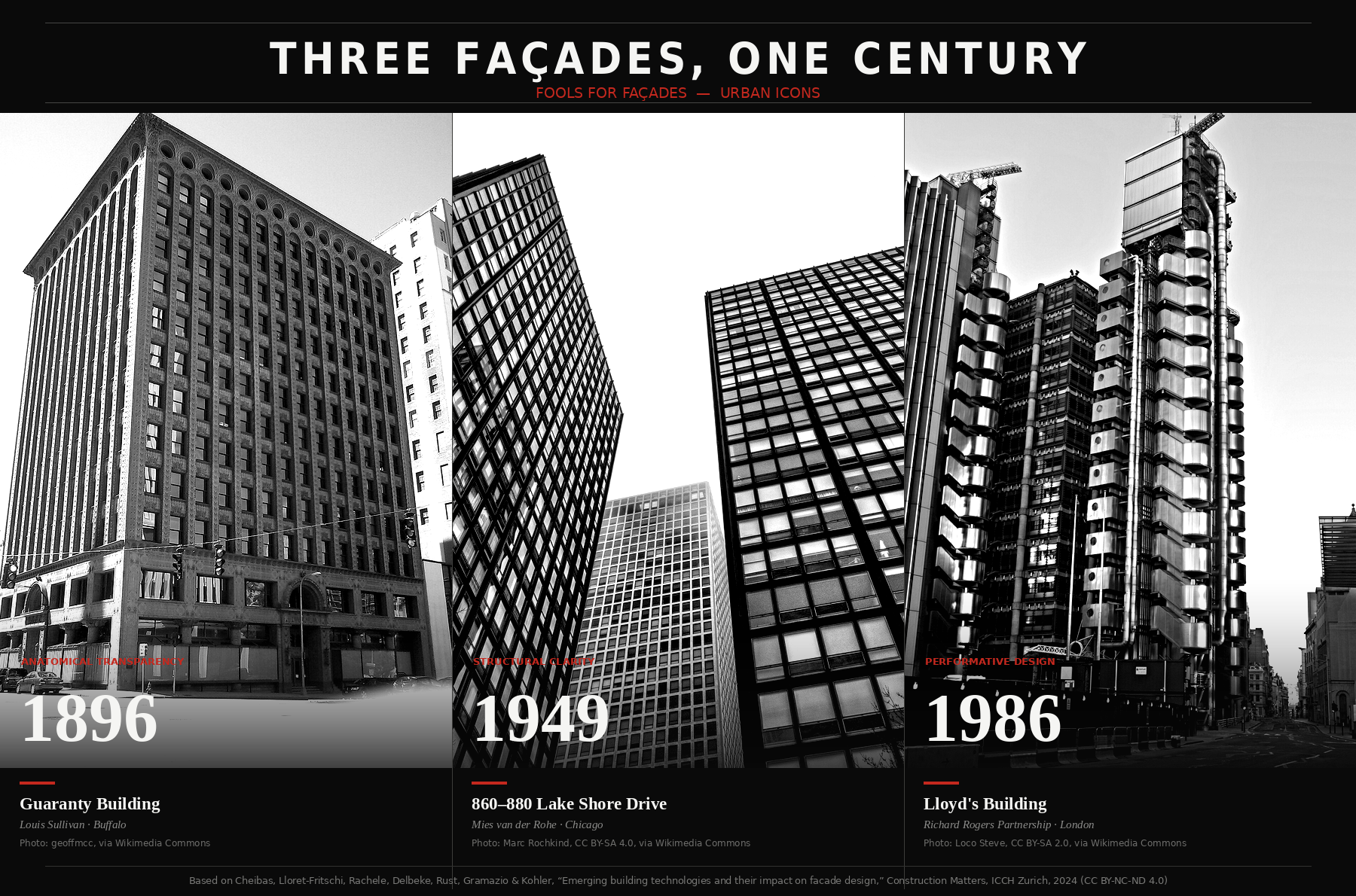

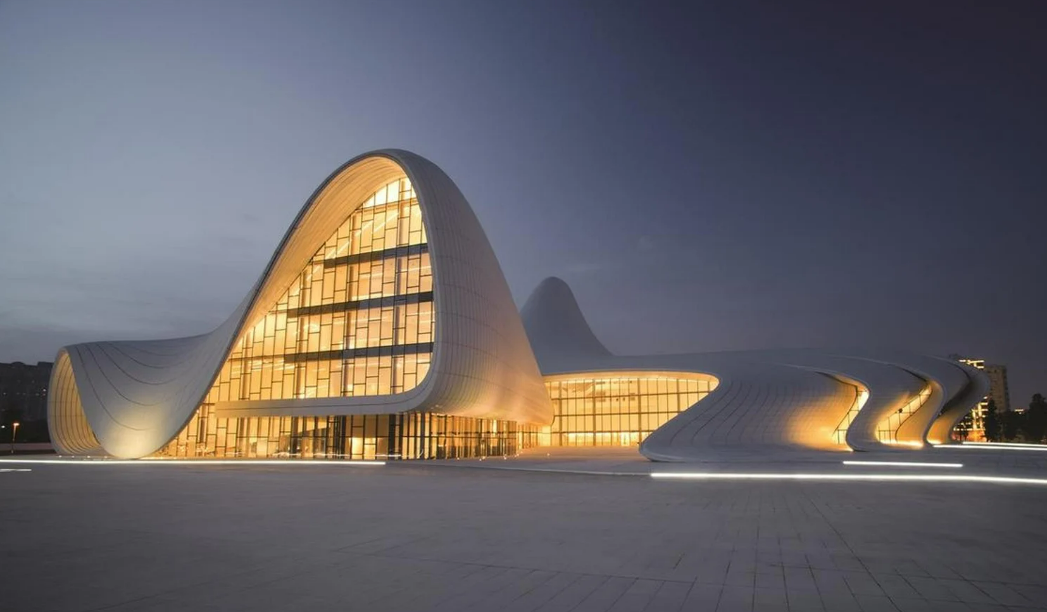

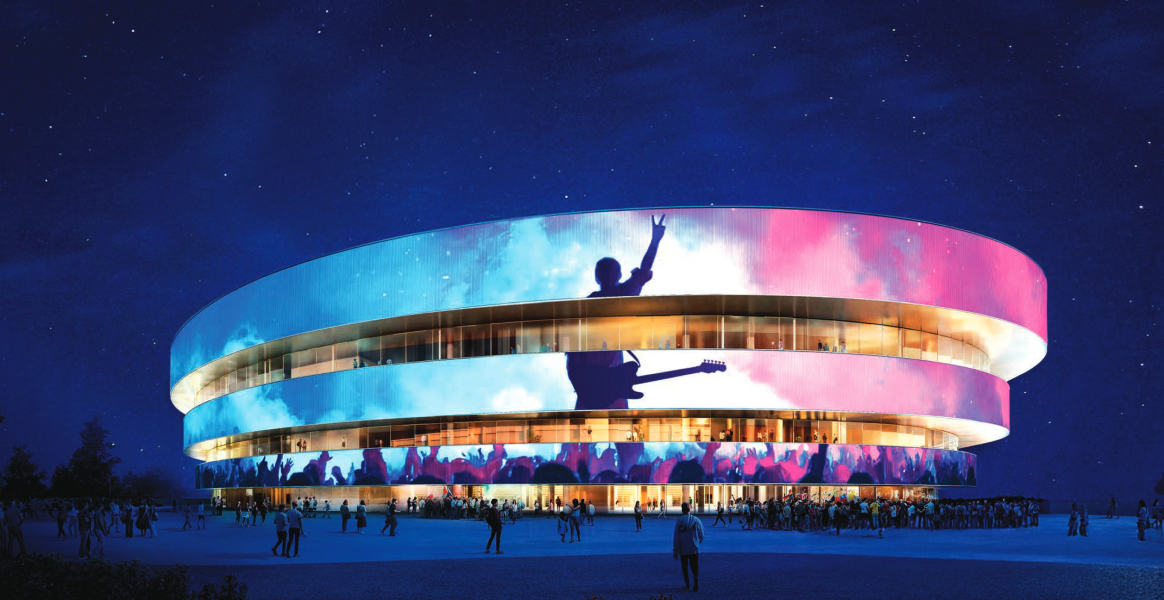
Was your product part of an Urban Icon?
Join the archive that celebrates architecture’s most iconic façades. If your company played a role—through materials, systems, or expertise—let us know. We’re building a record of the people and products behind the world’s most influential buildings.
Further articles

.png)
The Newsletter
Stay close to the future of façades.
Receive curated stories, technical insights, interviews, and event updates from the global façade industry. One edition every Friday.
Oops! Something went wrong while submitting the form.
By subscribing, you agree to our Privacy Policy and consent to receive updates.

An independent editorial platform for façade innovation, material intelligence, and architectural envelope design.
Sections
Platform
Contact
© 2026 Fools for Façades. All rights reserved.
.svg)
.svg)