
0


The Process, Not the Product
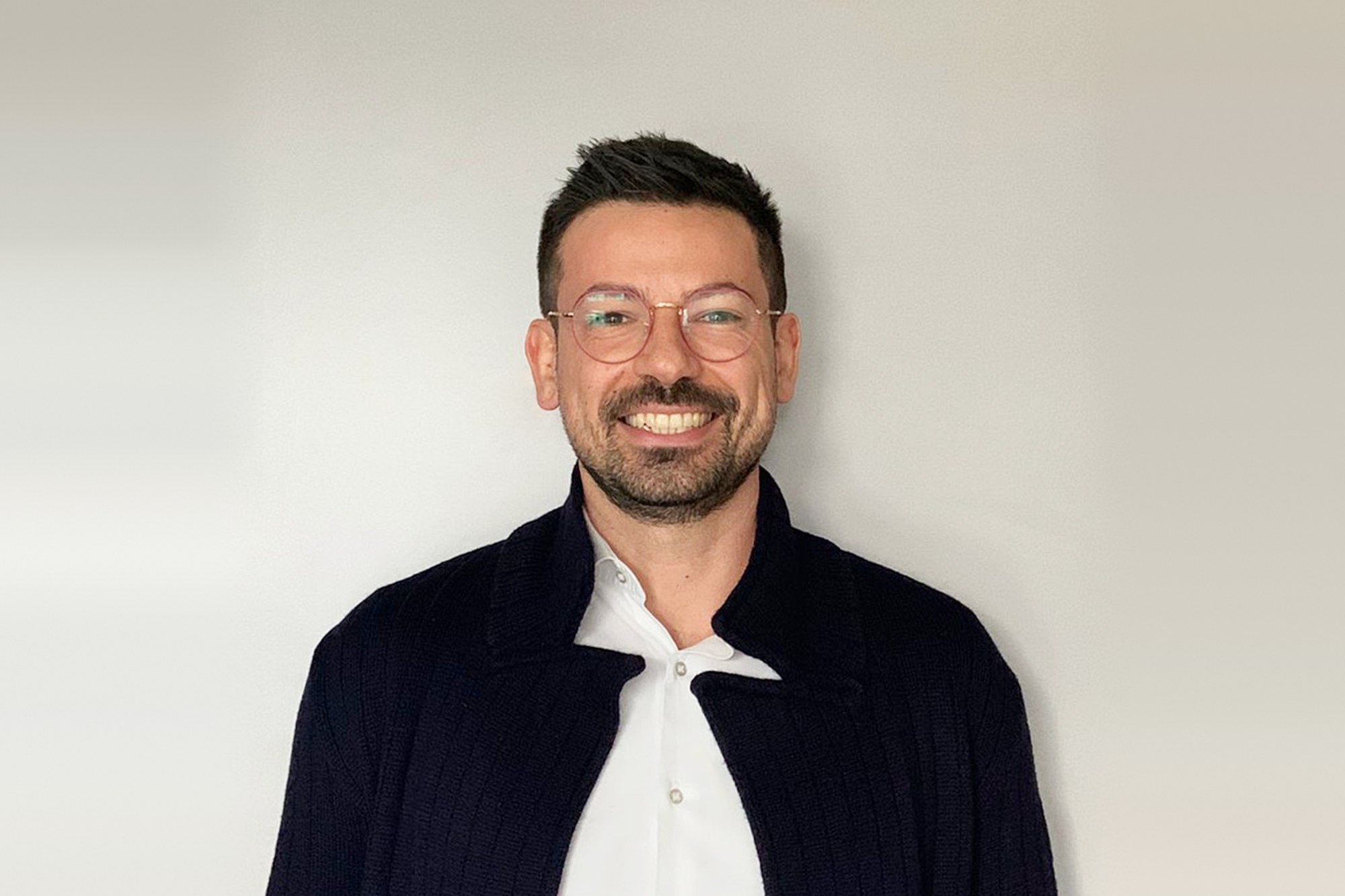
Prefabrication, building physics and the circular façade. Matteo Cipollini joined ESA Engineering in 2024 and today leads its Façade Engineering Department, guiding the firm’s technical development and international activities. He graduated from the University of Pisa with a thesis on the façades of the Japan Pavilion at Expo 2015, the starting point of his specialisation in building envelopes.
Since then he has worked on projects in the United States, the United Kingdom, the Middle East and Italy, including Columbia Business School and the American Museum of Natural History in New York. An NFRC-certified simulator, he talks to The FFF Journal Vol. 02 about prefabrication, building physics, circular façades and the decisions that should never be delegated to automation.

Your career in façade engineering started academically with a thesis on the Japan Pavilion at Expo 2015. What was it about that project that made you decide to specialise in building envelopes?
Expo 2015 was a very important experience because it allowed me to come into close contact with a wide range of highly engineered architectural solutions. Thanks to the temporary nature of the exhibition, all these innovations were concentrated within a relatively small area.
Initially, I approached the project with the intention of deepening my understanding of prefabricated timber structural engineering. However, during my research, I discovered the design developed by Atsushi Kitagawara Architects. Seeing how small and simple elements could be combined to create highly resistant geometries, capable of being assembled even in remote locations, was a great source of inspiration.
The process of engineering the production, optimizing the geometry, and putting technology at the service of architecture led me to further explore the field of building envelopes and façade engineering.
You have worked on projects in the US, UK, Middle East and Italy. What is the biggest difference you have found in the way façade engineering is approached across these markets?
As one might expect, cultural differences are reflected in the way façades are designed and engineered.
Countries that have historically been leaders in façade engineering, particularly in Europe, tend to push performance requirements to the highest level. This is supported by a very advanced regulatory framework, such as the recently published Eurocode 10 for structural glass.
In countries where labour costs are particularly high, such as the United States, especially on union projects, the focus is often on maximizing prefabrication and reducing site labour.
In markets where regulations strongly encourage sustainability, such as the UK, greater attention is given to materials, embodied carbon reduction, and circular economy principles such as Cradle-to-Cradle certification.
The Middle East currently presents a hybrid and rapidly evolving situation, influenced by all the trends mentioned above.
Projects such as Columbia Business School and the American Museum of Natural History have very different architectural and performance requirements. What did these experiences teach you about translating architectural intent into an engineered envelope?
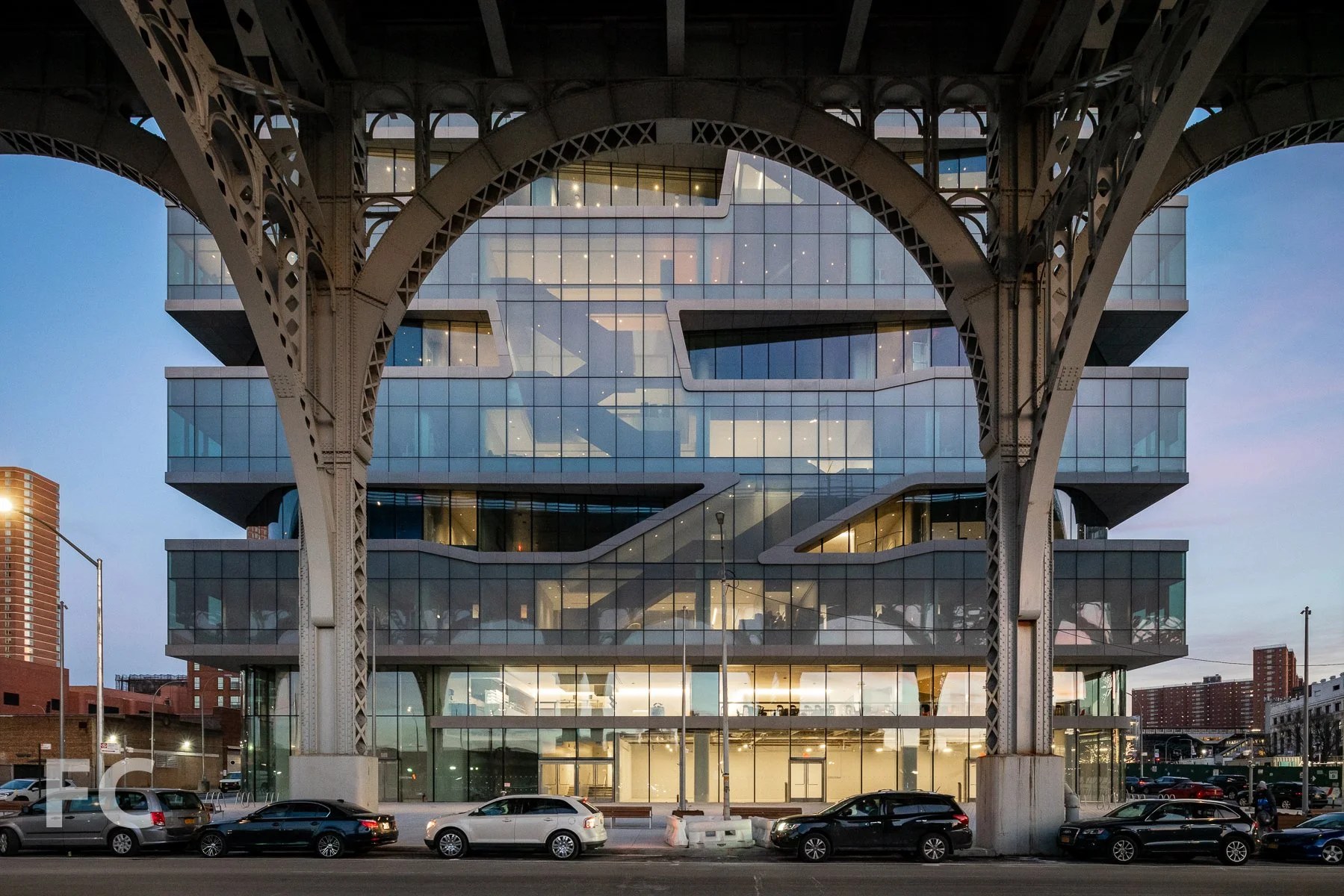
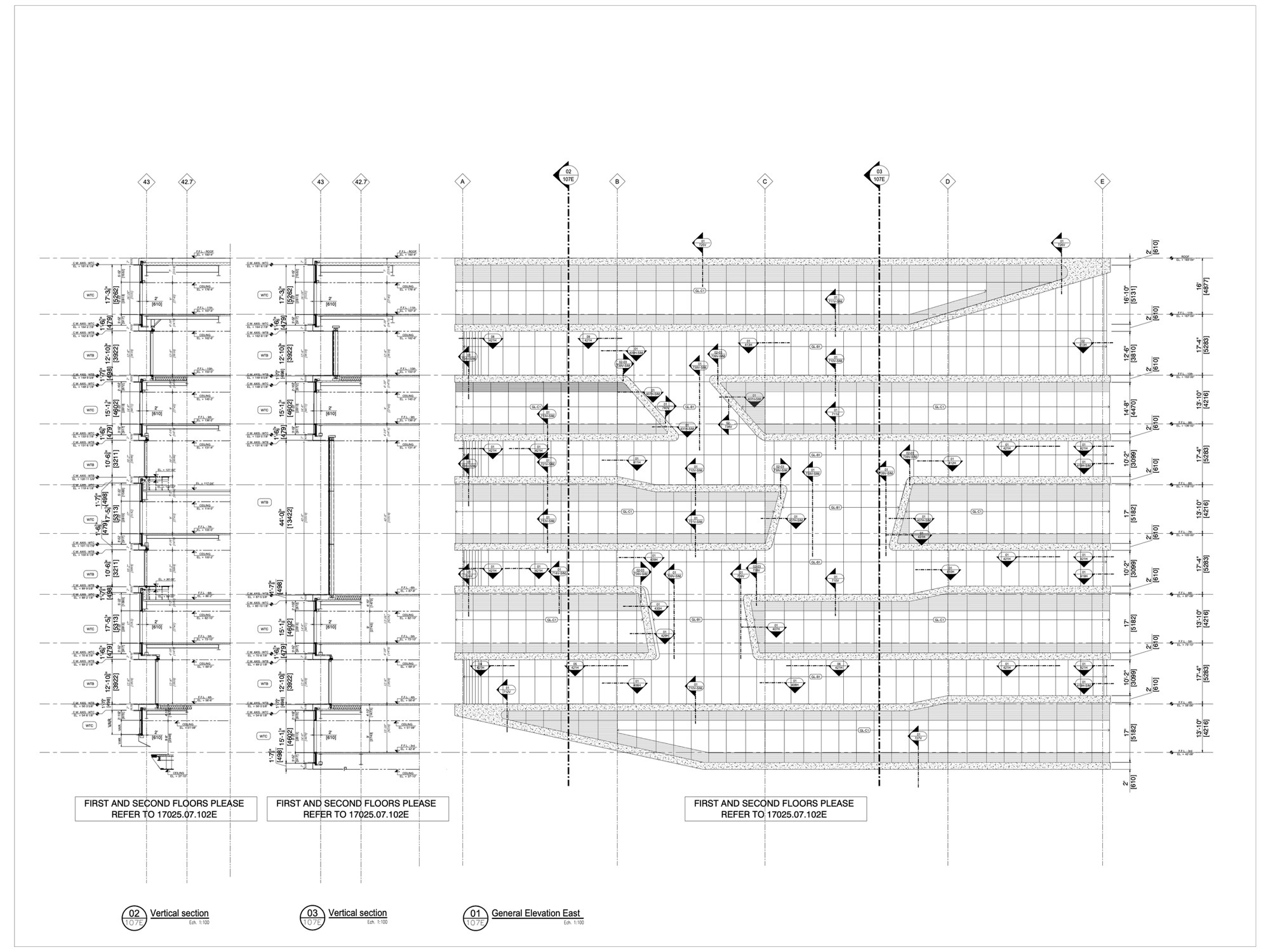
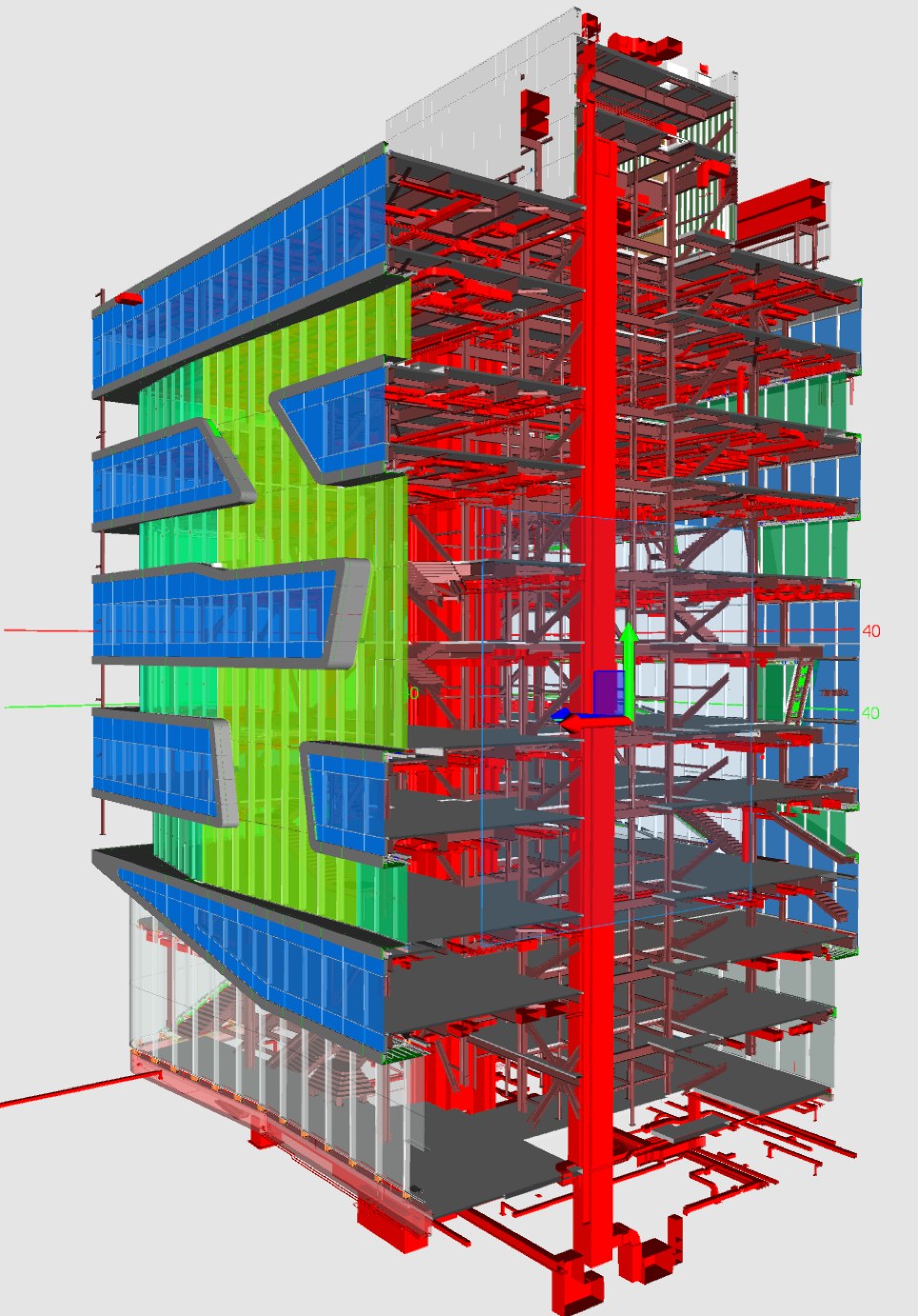
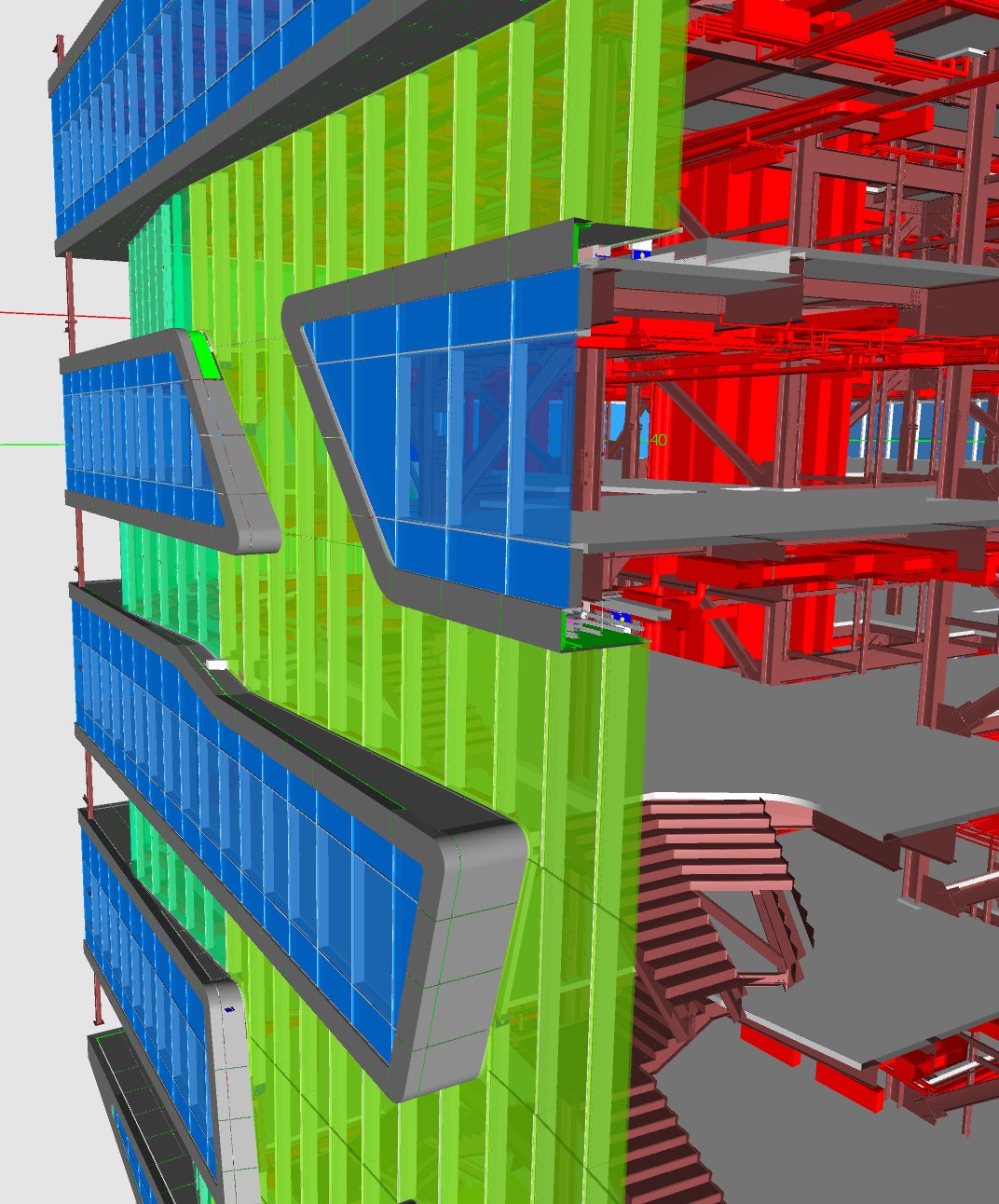
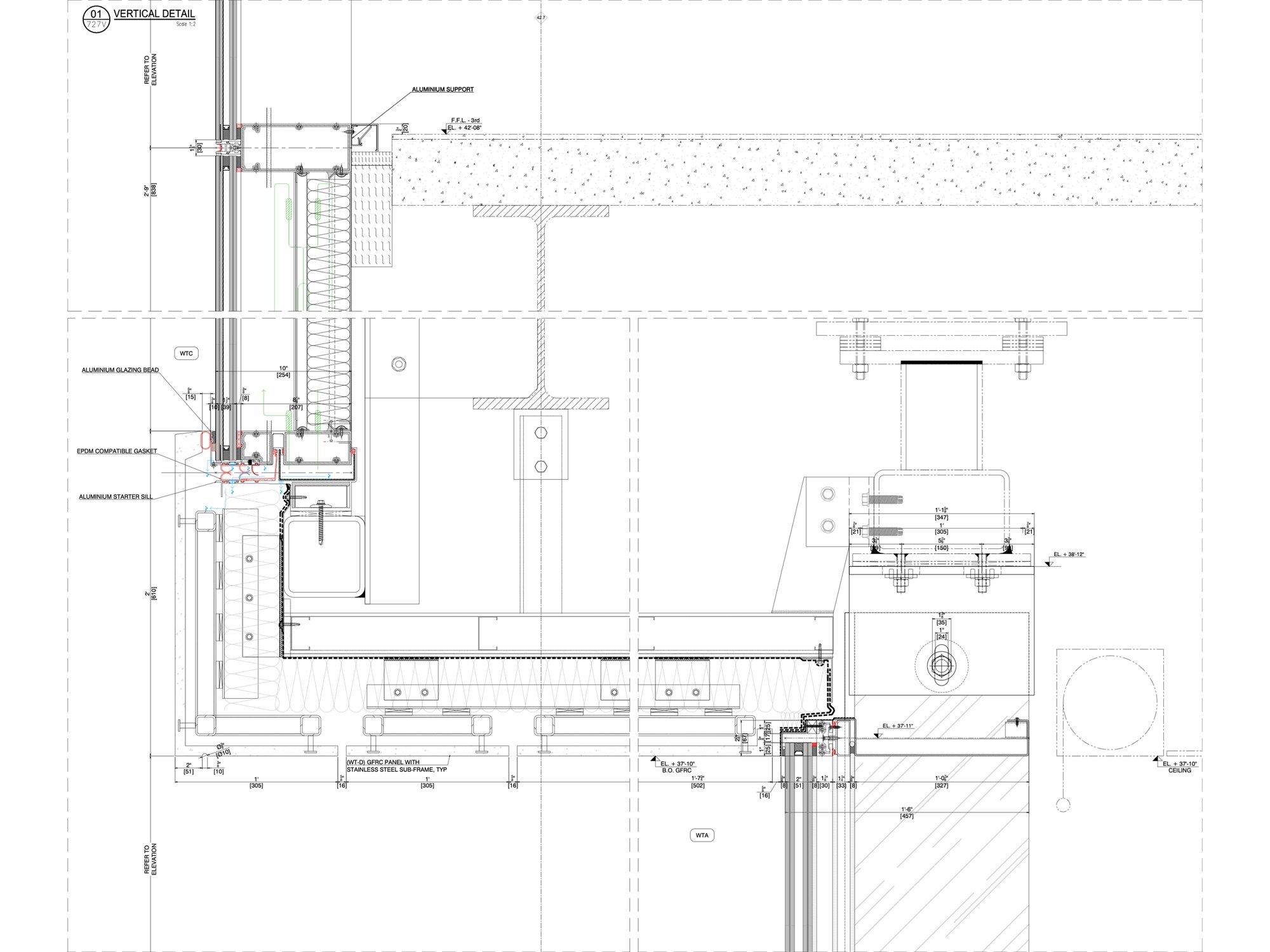
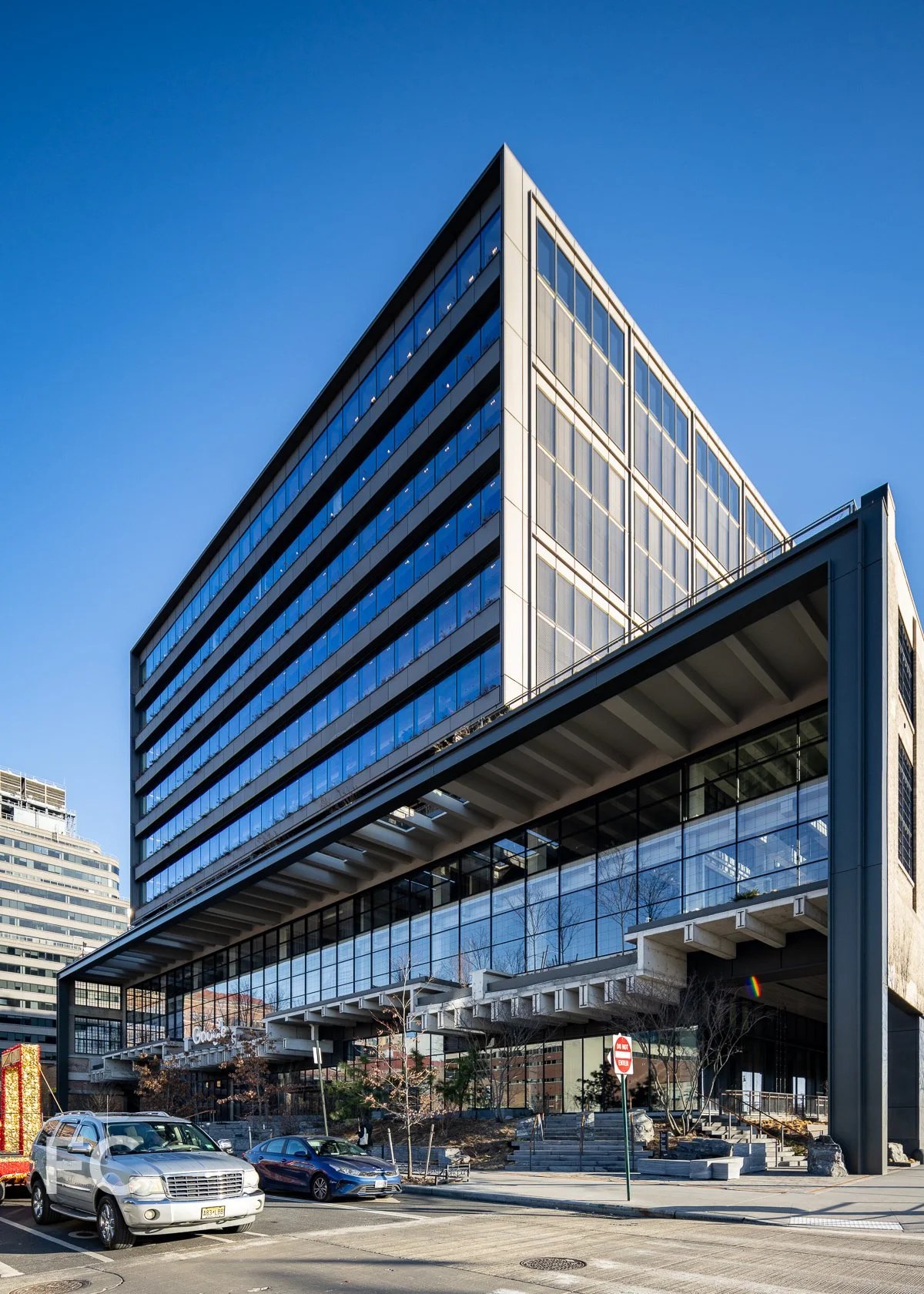
CBS Sites 6B and 7 were extremely challenging projects from which I learned a great deal about prefabrication and design optimization.
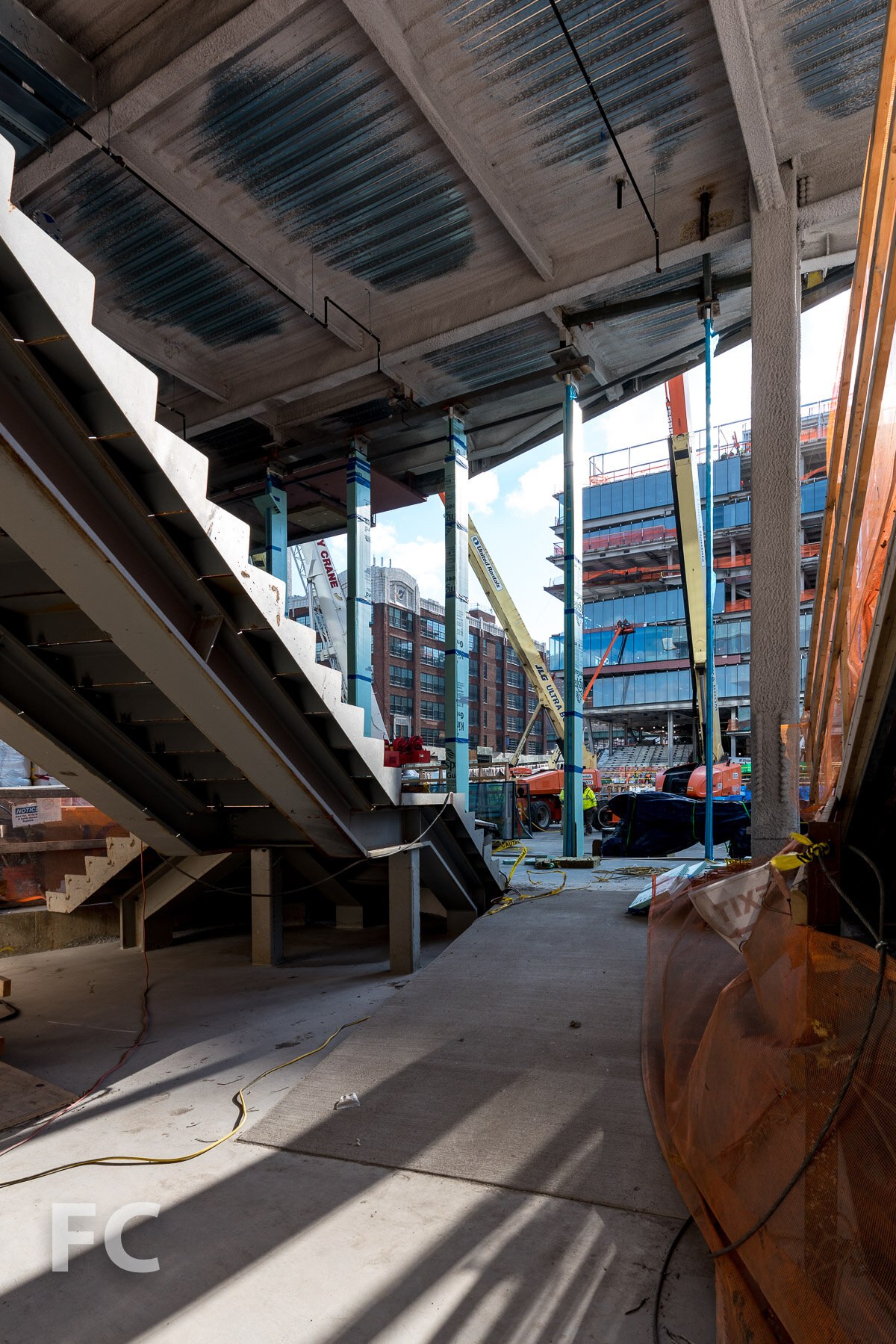
Perhaps the most demanding aspect was the analysis of the WTA system used for the ground-floor storefronts, consisting of glass fins up to 12 meters high supporting stacked insulated glazing units. In this configuration, the glass itself (both fins and panels) assumed a structural function.
The AMNH was a completely different challenge. There, the freeform geometry of the opaque envelope was complemented by curved glazing systems incorporating bent profiles. The project demonstrated how engineering must adapt to support highly expressive architectural forms while maintaining constructability and performance.
Building physics is becoming increasingly central to façade design. Are simulation tools now influencing architecture early enough, or are they still too often used to validate decisions that have already been made?
Too often, building physics analyses are still used merely to satisfy regulatory and permitting requirements. In reality, they are extremely valuable tools from the earliest concept stages, even when only a basic massing model is available. We are fortunate to work within an integrated engineering approach, which allows us to interact continuously with all building disciplines, internally in ESA.
Starting from a simple massing model, it is possible to carry out parametric analyses to optimize shading strategies, opaque-to-transparent ratios, energy demand, and many other aspects aligned with the project drivers.
The earlier these tools are introduced into the design process, the greater their impact on the final building performance.
As an NFRC-certified simulator, where do you see the greatest gap between calculated façade performance and real performance once a building is constructed?
Very often, what works perfectly on paper, or perhaps more accurately on a computer screen today, encounters challenges during construction.
Human error is inevitable for many different reasons, and it tends to increase under the demanding and stressful conditions commonly experienced on site. For this reason, I believe that maximizing prefabrication can significantly improve quality and reduce discrepancies between design intent and built reality.
Furthermore, tools that are still underutilized today, such as digital twins connecting BIM design models and construction activities, will play a key role in closing this gap in the future.
Reuse and recycling are increasingly discussed in façade engineering. Which façade components do you believe currently have the greatest realistic potential for reuse?
At the last ZAK World of Façades conference in Rome, I had the opportunity to participate in a panel discussion dedicated to this topic.
I find urban mining studies particularly interesting, such as PARK’s research on glass reuse in the Milan area. There is a tremendous amount of material available locally that requires replacement and could be valorized either through post-consumer recycling or through alternative architectural applications.
Glass is certainly one of the most promising materials. Aluminum is another obvious example, as initiatives such as window-to-window recycling are already operational, allowing aluminum recovered from façade strip-outs to be reintroduced into production and transformed into high-recycled-content alloys.
One of the difficulties of circular façades is certification and responsibility. How can engineers demonstrate that reused components can satisfy contemporary performance and safety requirements?
During the same ZAK conference, we presented a study exploring the possibility of reusing materials recovered from brick façade strip-outs to create new opaque façade panels using cementitious conglomerate technologies.
The main challenge for these applications is not technical but regulatory. There is currently no clear pathway for obtaining a material passport for such products, despite the fact that Italy has a vast stock of brick façades that will require refurbishment in the coming decades.
The market is ready, both in Italy and internationally. What is needed is not a new material but rather a new traceability infrastructure. It is the process, not the product, that will truly enable circularity to scale within the façade industry. Reuse will not become mainstream through new materials alone, but through greater transparency. Without a mandatory material passport, circularity will remain a prototype rather than an industrial reality.
“It is the process, not the product, that will truly enable circularity to scale within the façade industry.”
As Head of Façade Engineering at ESA, how do you decide when a project genuinely requires a bespoke façade solution and when a more standard system would actually produce a better result?
Bespoke solutions generally require significant volumes in order to be economically viable within the project budget, and this already provides an initial distinction.
Beyond that, the decision depends on the project drivers and on how committed the client is to pursuing a bespoke engineered solution versus accepting a compromise, both architecturally and technically, in exchange for greater certainty regarding performance.
In many cases, making this decision before the completion of a performance mock-up can be particularly challenging.
Digital tools are rapidly improving optimisation and analysis. Which engineering decisions do you believe should never be delegated to automation?
Artificial intelligence gives us access to enormous amounts of information in a very short time. However, it is important to remember that it relies on the interpolation of large datasets rather than on actual engineering calculations and analyses.
For this reason, I see AI as a powerful tool for preliminary assessments and brainstorming, but eventually true engineering judgement must take over.
I also strongly believe in the uniqueness of every professional involved in a project and in the trust-based relationships that develop between people. These human factors remain essential to the successful delivery of a project and, in my view, cannot be replaced by AI.

Looking ten years ahead, which change do you believe will have the greatest impact on façade engineering: regulation, materials, computational design, circularity or something else?
Given the current global context, characterized by increasingly uncertain international supply chains, climate change, and more frequent severe natural events, I believe that all the factors mentioned will contribute to shaping the future of façade engineering.
Adaptation to these challenges begins with research, innovation, and exploration, but it only becomes widely adopted when governments and institutions translate those innovations into guidelines, standards, and international or local codes.
What we need is not incentives, but clear rules and predictable frameworks that reward long-term performance, durability, traceability, and circularity.
About Matteo Cipollini
Matteo Cipollini is Head of Façade Engineering at ESA Engineering, which he joined in 2024. He graduated from the University of Pisa and has worked on projects in the United States, the United Kingdom, the Middle East and Italy, including Columbia Business School and the American Museum of Natural History in New York. He is an NFRC-certified simulator.
ESA Engineering is a building consultancy and integrated design firm providing structural, façade and MEP engineering, with offices in Italy, France, the UK and the Middle East. www.esa-engineering.com
This interview is one of the contributions to The FFF Journal Vol. 02. Subscribe to The FFF Journal.
Photos, drawings and BIM model © Field Condition. Gilder Center photo © Intercom. All images belong to their respective owners and are shared for educational purposes and to promote façade culture.
Events


News

Other Posts

Was your product part of an Urban Icon?
Join the archive that celebrates architecture’s most iconic façades. If your company played a role—through materials, systems, or expertise—let us know. We’re building a record of the people and products behind the world’s most influential buildings.
Further articles

The Newsletter
Stay close to the future of façades.
Receive curated stories, technical insights, interviews, and event updates from the global façade industry. One edition every Friday.
Oops! Something went wrong while submitting the form.
By subscribing, you agree to our Privacy Policy and consent to receive updates.

An independent editorial platform for façade innovation, material intelligence, and architectural envelope design.
Sections
Platform
Contact
© 2026 Fools for Façades. All rights reserved.

