
0


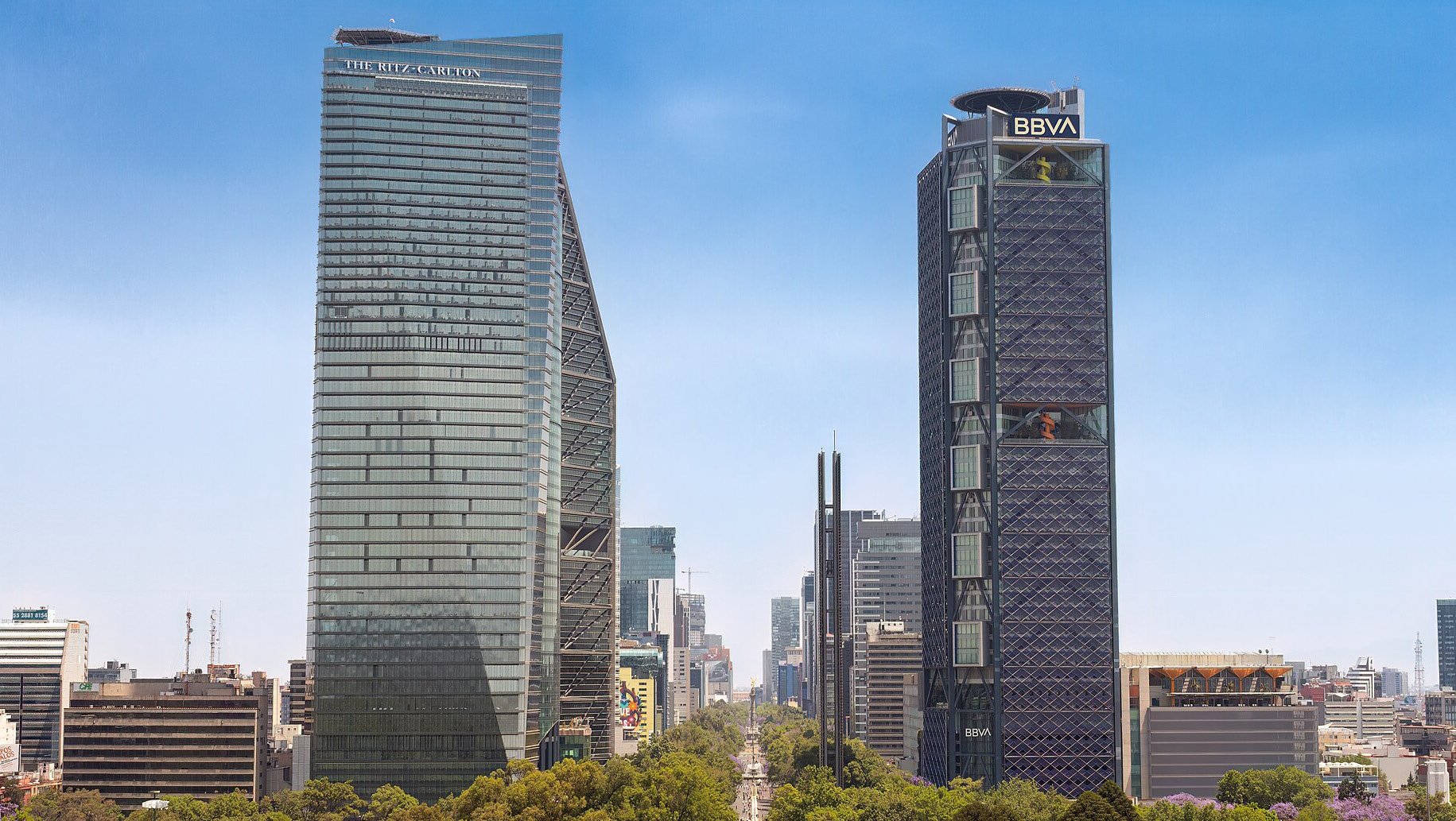
A reflection by Ricardo Dan Díaz, architect and co-founder of The Façade Studio, first published in The FFF Journal Vol. 02.
Mexico had been an independent nation for relatively little time before achieving any sustained development. Following its declaration of independence in 1821, the country went through attempts of an empire and early fragile versions of republics that simply never quite managed to solidify into anything stable. Eventually came Don Porfirio Díaz who, despite remaining in power for 35 years, left behind tangible work that endures to this day, remnants of his effectiveness in consolidating the country’s institutions and national infrastructure.
The architectural jewel in the crown of his legacy is the Palacio de Bellas Artes in Mexico City. Porfirio Díaz wanted to leave the city a landmark building, one with European standards of design but distinctly Mexican decorative motifs.
And so, in 1901, he reached out to an Italian engineer who had already spent some time working in the Americas.
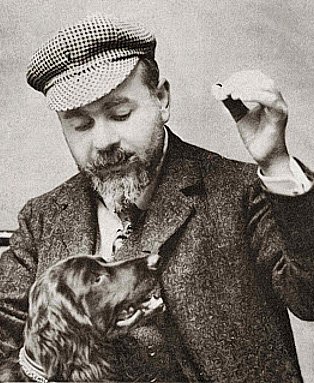
The Italian engineer Adamo Boari traveled through many countries before arriving to Mexico. While his life and work were remarkable in many ways, the most iconic building he left behind in Mexico City is the Palacio de Bellas Artes: a magnificent Art Nouveau building with remarkably distinctive sculptural work across its façade. This work of chisel and hammer was carried out by Fiorentino Gianetti, another Italian whom Mexico would forever embrace into its architectural legacy.
The building is a cultural jewel, housing the arts both inside and out. But there is one particular detail I would like to tell you about.
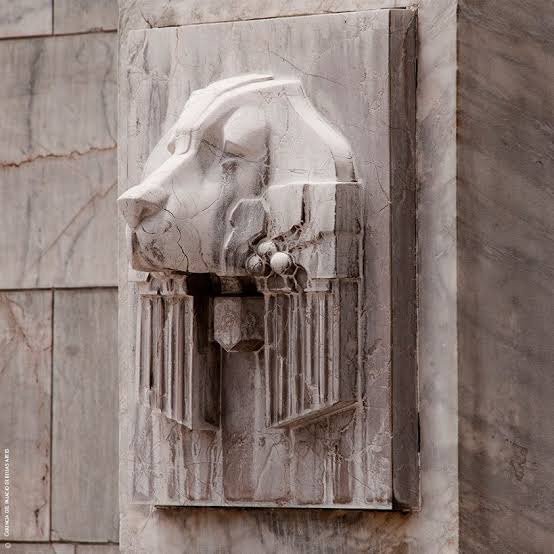
Aída was Adamo’s pet. A cocker spaniel dog, to be precise. At his side, she witnessed the creation of this building—from its very conception, sketches and drawings to the plans, and later accompanied him to the construction site itself. Around 13 years later, somewhere amid carved marble, colored glass, poured concrete and driven steel, Aída died. Little is known about Boari’s personal life, or even about what kind of man he was. But apparently we do know that Aída was a beloved dog, because Fiorentino, the sculptor, and Adamo agreed to immortalize her. The sculptures adorning the building’s façade revolve around Mesoamerican flora and fauna; and yet, there she is: carved into the keystone of an arch cornice, toward the lower right-hand side of the main façade, is the little head of Aída—the great Italian artist’s dog.
I can tell this story today because it is well documented in biographies of Adamo and preserved on the architecture; it can also be found online. But do you know who tells it better than anyone else? The façade of the building itself!
If one were to arrive at the corner of Avenida Juárez and Eje Central, in the historic center of Mexico City, and somehow resist the temptation to snap a hurried photo with a phone before quickly moving on; if one had enough time to spend several hours simply contemplating the four façades that make up this magnificent work, the building would tell this story—and many others. Then, one could simply turn one’s head 180 degrees and find another hundred buildings (to name only a hundred), each with stories of their own. And if the path were to continue along Paseo de la Reforma, we would find thousands more of these stories, told through architecture, craftsmanship, sculpture, and ironwork.
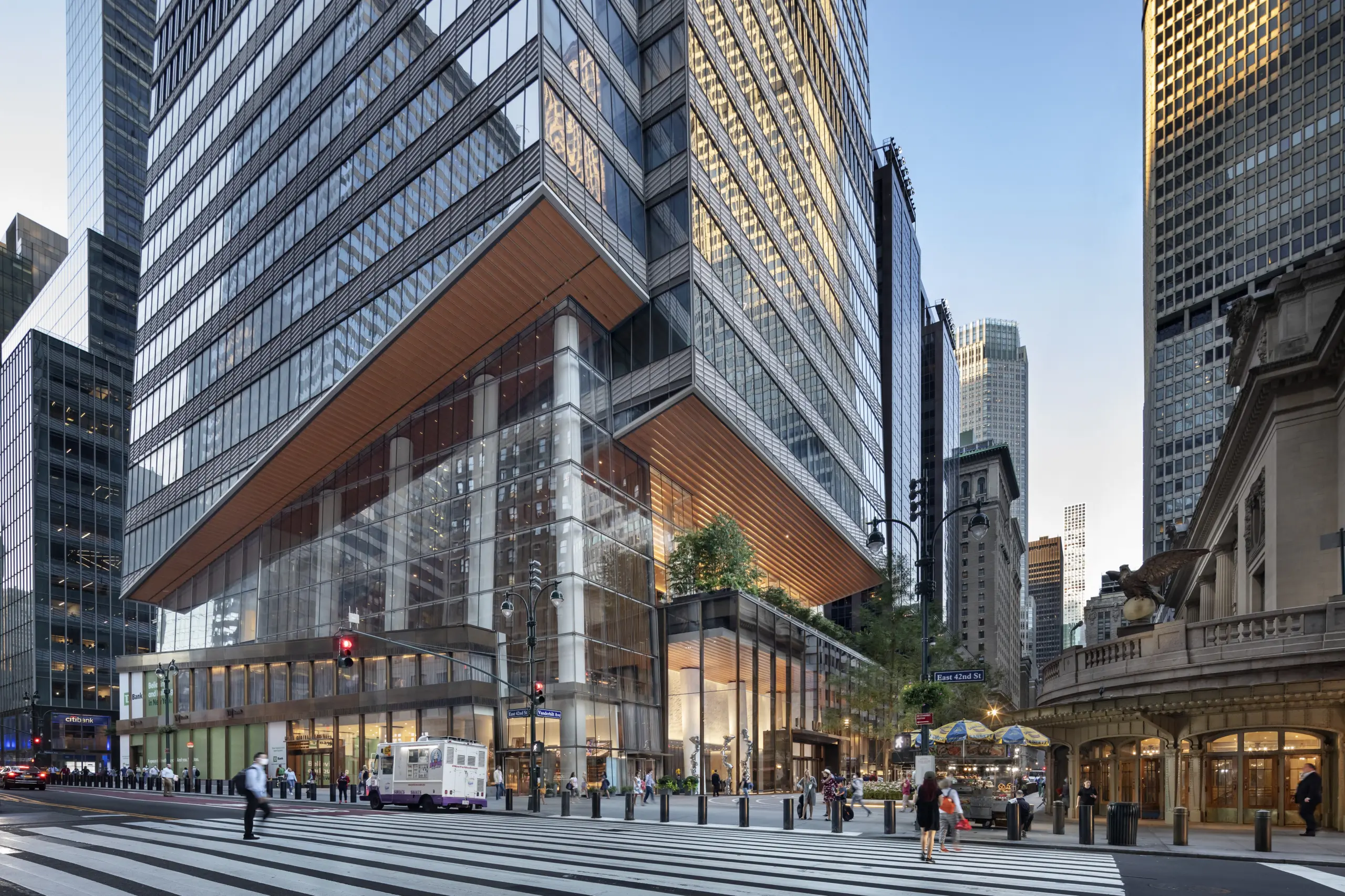
Along this hypothetical walk we are taking together, we would eventually reach the first skyscraper on our path, where suddenly the façades fall into what I would call an “industrial silence”. A motor lobby emerges, oblivious to the pedestrian and to their human scale, prioritizing instead the automobile and the urgency of getting it off the street, to store it away and to start charging parking time as quickly as possible. Then, twenty meters above, we find the fascia—or soffit—like the saddle cloth of that vast, smooth, flat, reflective surface that is the curtain wall.
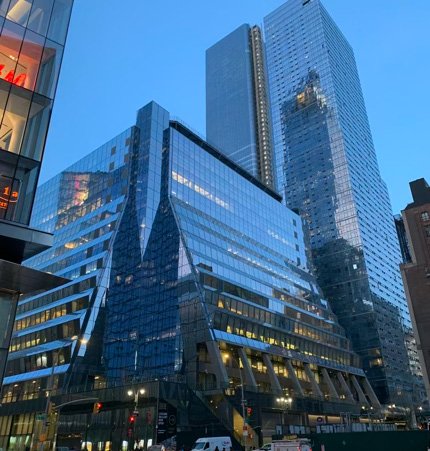
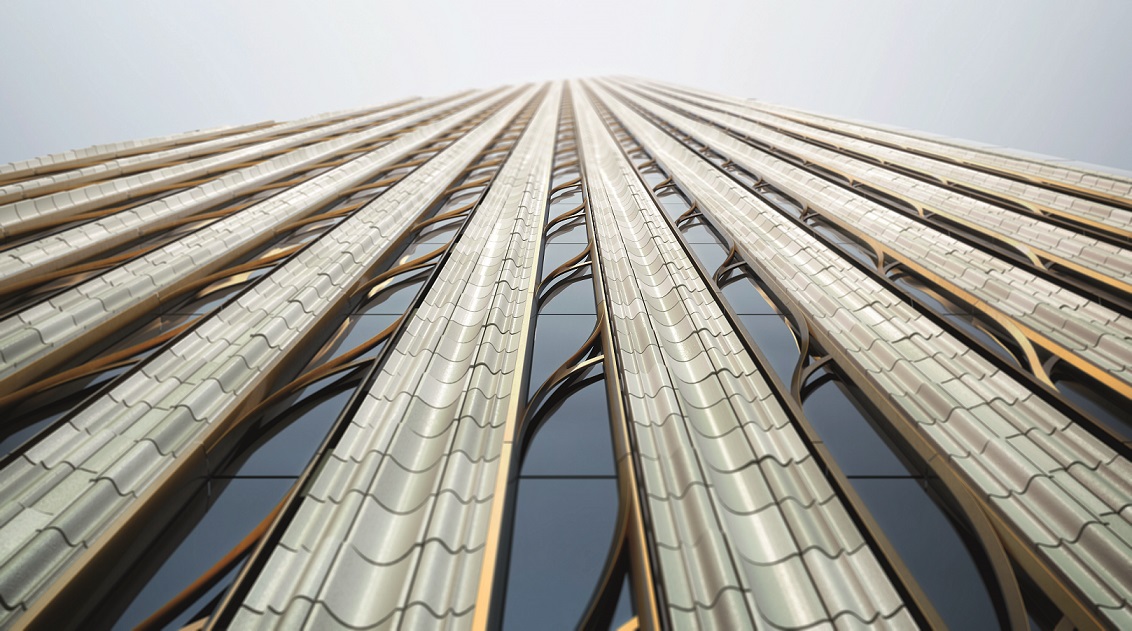
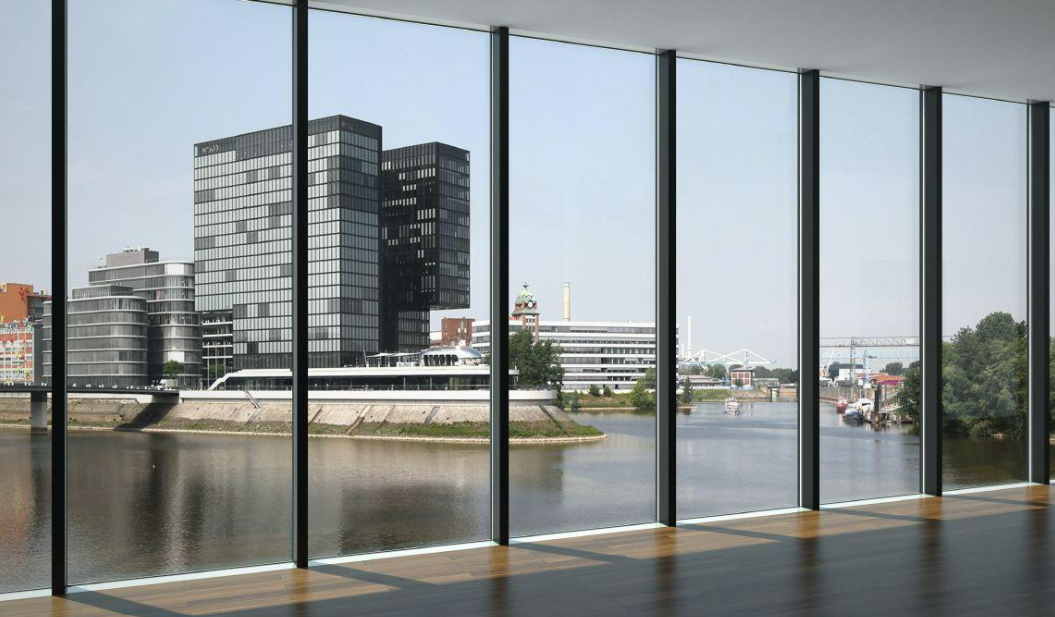
The curtain wall is, without question, a pinnacle of construction efficiency and bioclimatic design—condensing the performance of building envelopes up to half a meter thick into a mere 15 cm. It is the culmination of installation speed, cost predictability, machining and automation. And yet, it has very few stories to tell us and, ultimately, carries with it a palpable sense of depersonalization. There are no longer sculptures, setbacks, volutes, cornices, elaborate entrances, gargoyles, balustrades, or anything of the sort. There is glass… a lot of glass. Even buildings that incorporate terracotta, precast concrete, or solar shading devices, still base their façades on the principles of repetition and industrialization.

As Mexican poet and diplomat, Octavio Paz, winner of the 1990 Nobel Prize in Literature, once said: “Architecture is the incorruptible witness of history, because one cannot speak of a great building without recognizing in it the witness of an era, its culture, its society, its intentions…”
And I believe façades have always shown us what we have valued throughout history; they have revealed the very cosmogony of the societies that built them. Today’s silent façades are no exception. Through their silence, they tell us more than we give them credit for, they speak of societies devoted to production and to an industry that is fast, efficient, demanding, globalized, and mass-produced. So yes, these buildings do tell us a story: the story of the real estate business, of the concentration of people in cities, and, above all, of the speed at which we live today.
Today, the idea of bringing craftsmen to work on the façade of a skyscraper built as the headquarters of a bank seems absurd. Today, telling prospective residents that presales begin in October and that their apartment will be delivered ten years later is simply unthinkable.
Today, there are many of us architects, and every year, more and more graduate from universities. Today, we have softwares, AI, email, automation—and above all, we are in a hurry.
A great hurry.
Buildings have always revealed the ideologies and beliefs of the societies that create them—whether politics, spirituality, military power, or, in the case of today’s silent façades, the prevailing force: economics.
There is nothing inherently wrong with that, of course. So many of us make our living from this industry, and these enormous, silent buildings house us all. More people can live in a single one of these buildings than in some small European towns. These are technological and industrial marvels, and they reveal that this is what we believe in today, what we aspire to, what we choose to glorify.
Today, façades are silent. And the memories of their designers’ beloved dogs are left to an ephemeral scroll on Instagram.
The author

Ricardo Dan Díaz, M. Arch, AIA · Co-founder, The Façade Studio
Architect based in Mexico City and co-founder of The Façade Studio. He studied architecture with a focus on bioclimatics at the Universidad de Colima and holds a Master of Architecture from Isthmus, School of Architecture and Design for Latin America and the Caribbean.
Read the full issue: The FFF Journal Vol. 02
News


Other Posts



Events


Was your product part of an Urban Icon?
Join the archive that celebrates architecture’s most iconic façades. If your company played a role—through materials, systems, or expertise—let us know. We’re building a record of the people and products behind the world’s most influential buildings.
Further articles
The Newsletter
Stay close to the future of façades.
Receive curated stories, technical insights, interviews, and event updates from the global façade industry. One edition every Friday.
Oops! Something went wrong while submitting the form.
By subscribing, you agree to our Privacy Policy and consent to receive updates.

An independent editorial platform for façade innovation, material intelligence, and architectural envelope design.
Sections
Platform
Contact
© 2026 Fools for Façades. All rights reserved.


×
Get featured on FFF
Is your solution part of a project like this?
If your system, product or team played a role in a building worth talking about, tell us. Our editors read every submission and will get back to you.
Thank you! Your submission has been received!
Oops! Something went wrong while submitting the form.