
0


On 15 February 2026, Priedemann Facade Experts Dubai office marks a 20-year journey, defined not by rapid expansion, but by deep and enduring connection to the realities of façade delivery.
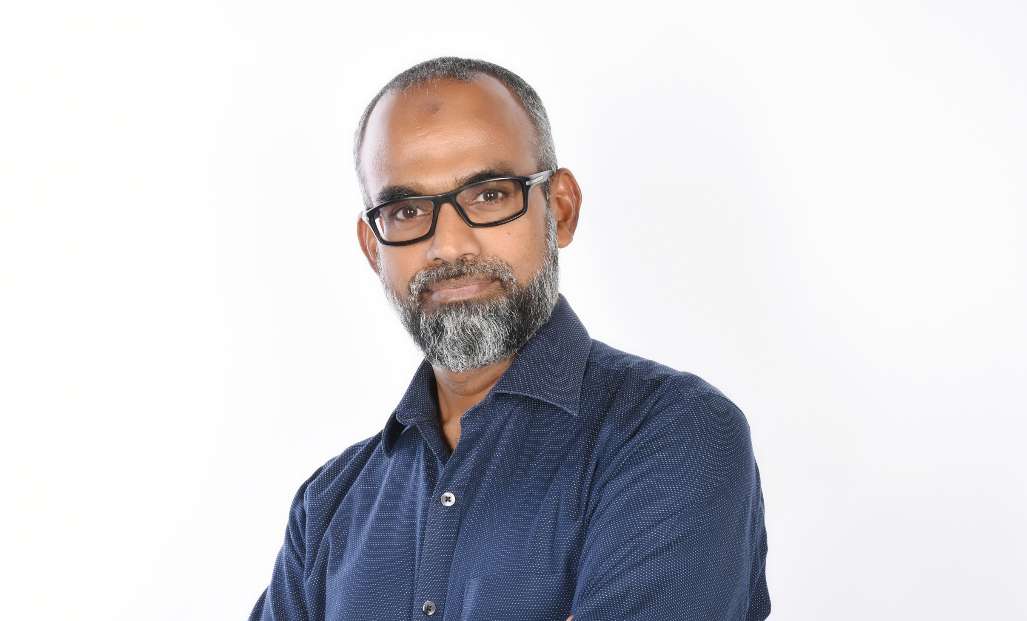
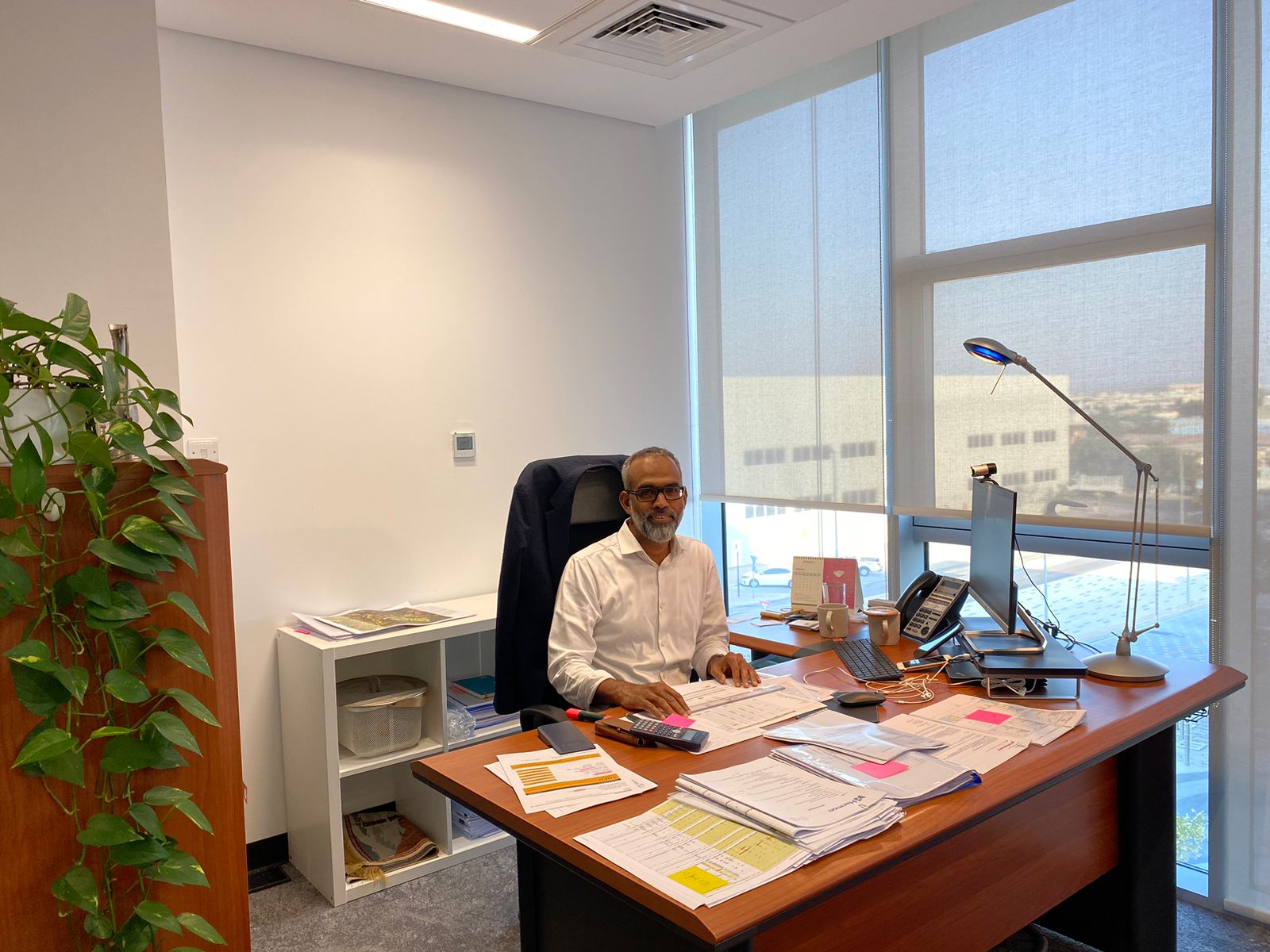
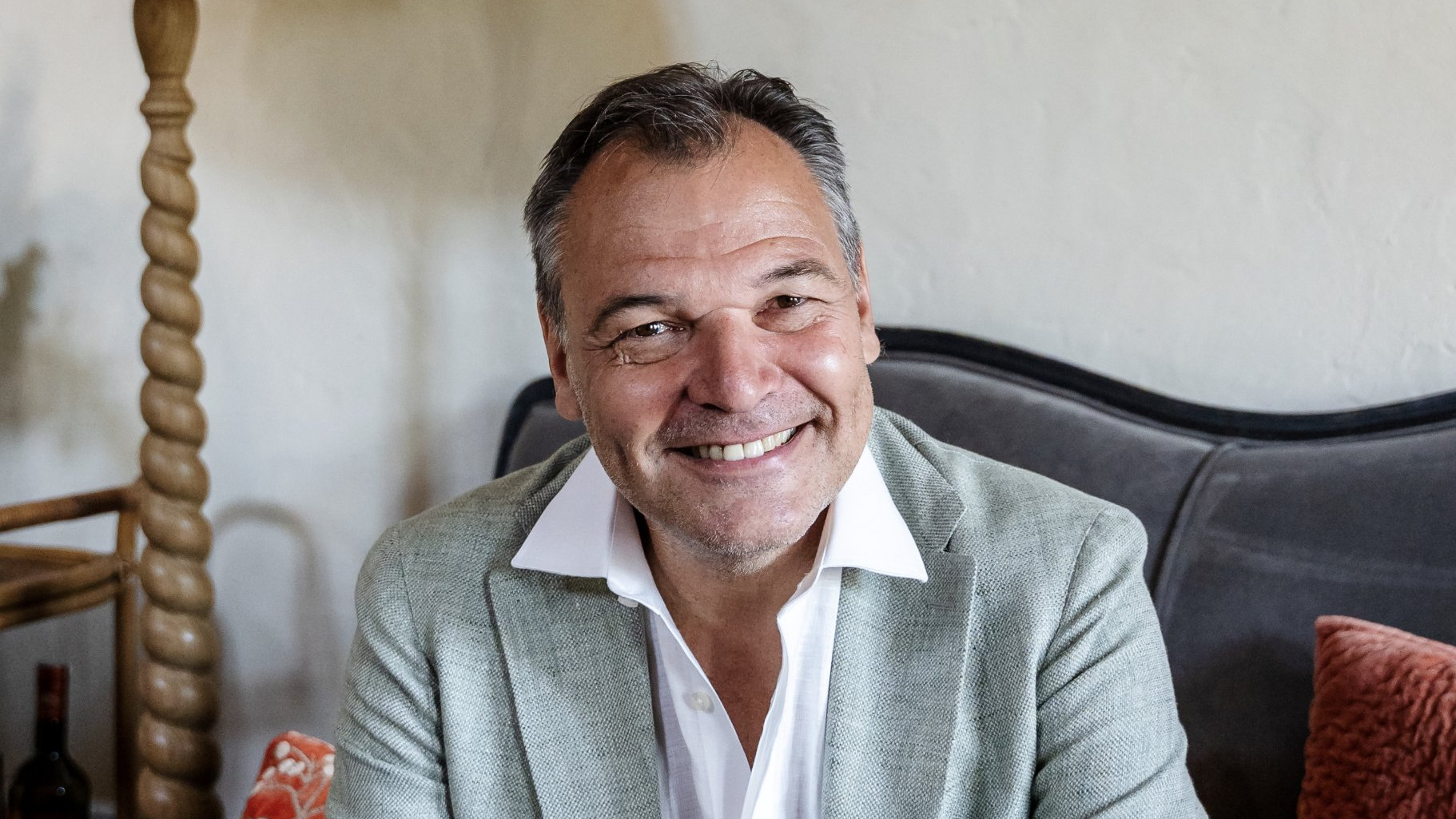
Few people embody that journey as closely as Anees Backer, who joined the company in its early days of establishment.
His leadership brings together technical depth, regional insight, and a very human understanding of how façades are delivered through collaboration, persistence, and respect for every discipline involved.
The same curiosity and drive that brought him to Priedemann twenty years ago continue to shape the way he leads today, as a Managing Director of the Dubai office.
FFF: You joined Priedemann in its early Dubai years. What drew you to the company and the façade consultancy at that time?
Anees: I joined Priedemann only a few months after the very first steps were taken in the region.
At that stage, there was no established structure - a small team backed by our German headquarters, an active project, and a strong belief that specialist façade engineering would be increasingly important in the Middle East.
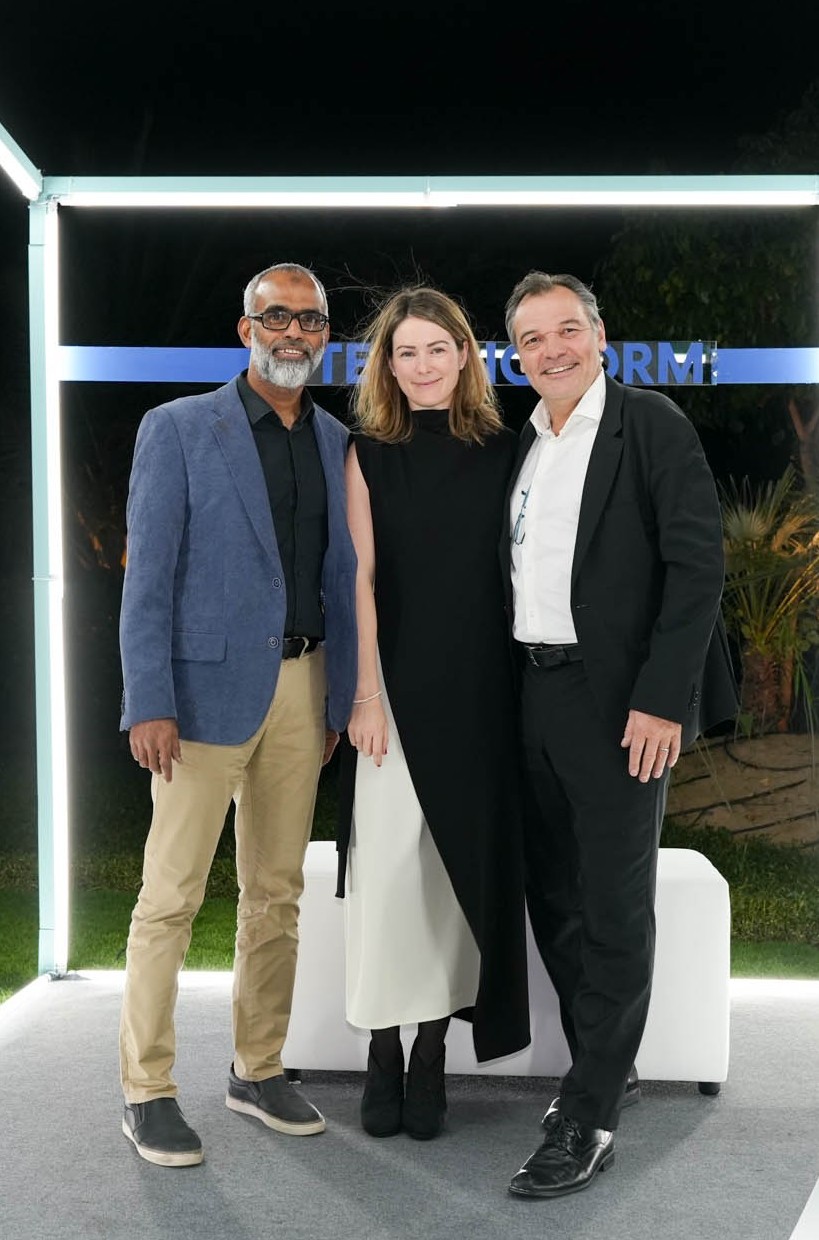
Before joining Priedemann, I worked at Al Ghurair, formerly known as Arabian Aluminium Company.
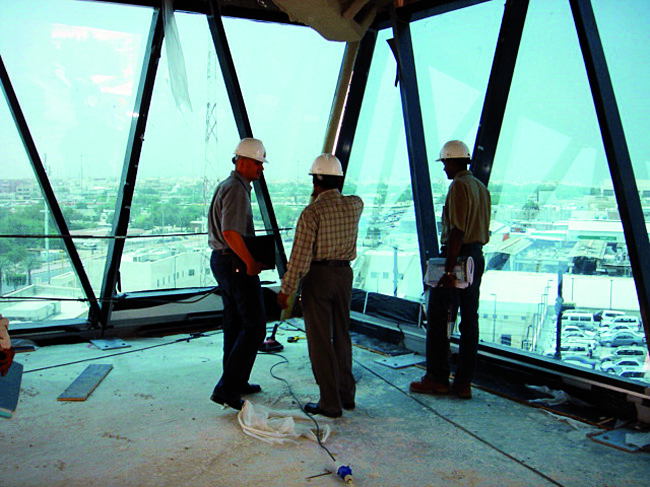
Being part of a known group so closely linked to the UAE’s construction history gave me a very practical understanding of façade technology, fabrication constraints, and on-site realities.
That experience shaped how I look at façades - not as abstract designs, but as façade that must be built, installed, maintained, and perform reliably over time.
What attracted me to Priedemann was its mindset. There was no distance between design and construction - sleeves rolled up, solving problems where they happen.
I joined because the company carried passion, knowledge and experience, and our region’s construction industry was increasingly facing design challenges.
FFF: How did those early years influence the way you work today as Managing Director?
Anees: Oh, very much. Along with the company, I was developing as well. The early years were truly formative. Naturally, I got involved in every aspect of the company’s operations.
What I have realized throughout my career is that the ability to understand human character is the most valuable skill of all.
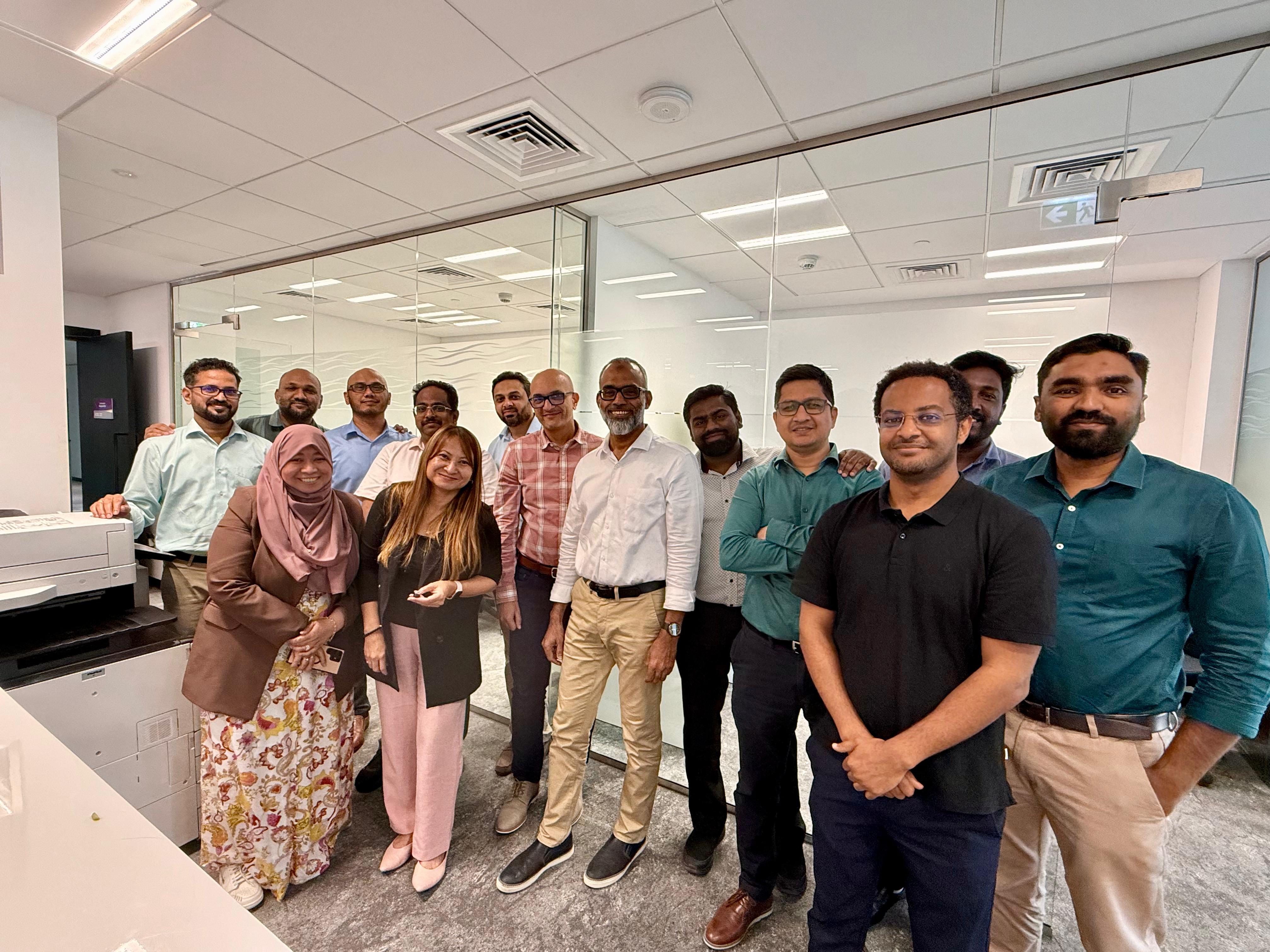
Being involved in every part of the business helped me develop the discipline and ethos needed to build strong internal teams and cultivate meaningful relationships with our customers.
Ultimately, a company’s performance depends on the mindset and wellbeing of its people.
By understanding our team members and shaping the company foundation around that, I have been able to lead effectively as Managing Director.
FFF: Priedemann is known for its focused façade expertise. Why is that focus still important?
Anees: We believe façades are complex enough on their own, and with new technologies, the challenges are constantly evolving.
Performance expectations are higher than ever, which makes specialist expertise essential.
Over the years, we made a conscious decision not to dilute our focus. We don’t try to be everything; we aim to be exceptional at one thing.
That focus allows us to go deep into materials, performance, detailing, constructability and lifecycle behavior,
Our clients value that clarity. When they engage Priedemann, they know they are getting specialist façade knowledge they can rely on from initial concept through final delivery and throughout the building’s lifecycle; a true cradle to cradle experience.
FFF: How does Priedemann balance global expertise with local market needs?
Anees: A façade is the building’s shield between the outside environment and the people inside, so understanding the local context is critical.
What works in Europe might fail in the Middle East, and viceversa.
By adapting our designs to local conditions, we make them meaningful, not generic.
That’s why we invested early in local teams who know the climate, supply chains, construction practices, regulations, and user expectations.
At the same time, our global network lets us bring in lessons and innovations from around the world.
The real strength comes from combining local insight with international experience.
FFF: Innovation is a recurring theme at Priedemann. How do initiatives like Facade-Lab and lifecycle consultancy support real projects?
Anees: Innovation at Priedemann isn’t just about ideas; it’s about solving real world challenges on actual projects.
Initiatives like the Facade-Lab and our lifecycle consultancy give us a structured way to develop, validate, and optimize solutions before they’re applied on site.
Facade-Lab allows us to explore new materials, technologies, and construction methods in a controlled environment. We can simulate performance, refine details, and anticipate issues early, which saves time, reduces risk, and improves overall quality.
We also believe that every constraint brings an opportunity; challenges are the main fuel for innovation.
Our ACT Facade, developed along with industry associates, is a good example, addressing industry demands for upgrading the performance of existing façades without imposing constraints on occupants.
Our lifecycle consultancy takes a long-term view, ensuring façades are not only beautiful and functional at handover but continue to perform reliably for decades.
By combining innovation with practical application, these initiatives directly enhance project outcomes andgive our clients confidence that what we design can be built, maintained, and perform as intended.
FFF: How can earlier and closer collaboration between façade specialists, architects, and developers help translate design intent into solutions that are both deliverable and cost-effective?
Anees: Façades are often where client budget and architectural ambition meet technical reality.
When façade specialists are involved early, we can support architects in developing concepts that remain true to the design intent while also being technically feasible and commercially viable.
.jpeg)
Early collaboration allows potential risks, cost drivers, and constructability challenges to be identified before they become expensive problems.
It also opens opportunities to optimize materials, system selection, and detailing without compromising performance or aesthetics.
When architects, developers, and façade specialists work closely from the beginning, the result is not value engineering (which is misunderstood with cost cutting) at a late stage, but value creation from the outset.
Design intent is preserved, budgets are respected, and projects move forward with fewer surprises during construction.
FFF: With new architectural directions emerging in the region how does Priedemann approach the exploration and application of façade materials?
Anees: We approach façade material exploration as a balance between innovation and performance certainty.
In many contexts, architectural direction continues to evolve, whether driven by developers redefining their vision, new interpretations of materiality, the application of emerging technologies, enhanced performance requirements, or even the distinct characteristics of specific architects.
Our response to these shifts is adaptive and strategic.
It may involve rethinking material selection, applying advanced analytical and digital tools, introducing new products, or leveraging innovative ideas developed through our internal research initiatives.
In some cases, it extends to engaging suppliers at a much earlier stage to assess feasibility, customization possibilities, and supply chain readiness.
Our approach always begins with understanding the architectural intent; what the façade is meant to express, how materials contribute to shading, depth, identity, and sustainability objectives.
From there, we move into hands-on exploration, engaging directly with suppliers and fabricators, conducting workshops, and reviewing technical performance beyond standard datasheets.
We assess how materials behave in reality: how they can bedetailed, how they integrate with adjacent systems, and how they perform overtime in demanding regional climate conditions such as UV exposure, temperature fluctuations, sand abrasion, and humidity.
In this context, our hands-on experience, the Facade-Lab R&D platform, and extensive industry network play a critical role.
They enable us to develop ideas, validate solutions, and bridge the gap between concept and implementation with confidence.
Importantly, all of this is most effective when our involvement begins early in the project. Early engagement allows us to translate ambitious design directions into façade systems that are technically robust, commercially viable, and aligned with the regional supply chain ecosystem.
FFF: What trends are you seeing in the Middle East façade market today?
Anees: I can immediately identify two key trends prevailing today’s façade and broader construction design stages, particularly from a project operations perspective.
The first is the application of digital technologies in construction. The industry is currently in a transition phase.
While digitalization offers significant benefits like improved coordination, better visualization, data-driven decision-making, and enhanced documentation, technology alone does not automatically translate into productivity.
For digital processesto be truly effective, the surrounding ecosystem must also mature. Thisincludes aligned workflows, standardized data structures, and most importantly compatible contractual frameworks.
.jpeg)
Until the entire project environment evolves cohesively, there is a risk of creating additional layers of complexity rather than streamlined operations.
With proper alignment, however, digitalization has the potential to significantly enhance project efficiency and quality.
The second trend relates to communication.
Technology has undoubtedly brought teams closer, enabling faster participation and more frequent interactions across geographies.
However, increased connectivity does not necessarily mean increased effectiveness. If communication lacks structure and decision-oriented focus, the purpose of collaboration is diluted.
The challenge now is not access to communication, but ensuring that it is purposeful, efficient, and outcome driven.
We remain optimistic that as the industry continues to adapt, both digital integration and communication practices will mature further, leading to more structured, efficient, and value driven project delivery.
FFF: After 20 years with the company, what excites you most about the future of façades?
Anees: The future of façades lies in the convergence of innovation, performance, and sustainability. Over the years, façades have evolved from being purely aesthetic envelopes to highly engineered systems that balance architectural ambition, occupant comfort, environmental responsibility, and long-term resilience.
Looking ahead, I see enormous potential in how new materials, digital technologies, and integrated design approaches will continue to redefine what a façade can achieve.
What particularly excites me is that Priedemann Group’s foundational structure, built over decades, positions us to embrace these opportunities confidently. Rather than seeing emerging demands as challenges, we view them as opportunities to innovate, experiment, and set new benchmarks in façade design and delivery.
.jpeg)
Equally inspiring is the growing awareness among clients and developers of the importance of durability, energy efficiency, and maintenance strategy.
Façades are no longer just about visual impact; they are critical components of a building’s long-term sustainability, operational efficiency, and lifecycle performance.
FFF: Finally, what does this 20-year milestone mean to you personally?
Anees: It’s a moment of reflection. I joined Priedemann when the Dubai office was still taking shape, and I’ve had theprivilege of growing with it.
Over the years, the projects changed, the region evolved, and so did I.
What remained constant were the people -colleagues, partners, fabricators, and clients. Many came and went, each leaving something behind, and the office today is built on those layers of experience.
Leading the Dubai office now feels less about looking back and more about carrying a sense of responsibility forward.
Responsibility to the team, to the craft, and to the idea that façades should be honest, durable, and well thought through.
Closing Reflection
In speaking with Anees Backer, one thing becomes clear: façades are not only technical systems, but the result of collaboration between design intent, construction reality, and long-term responsibility.
Priedemann Dubai’s journey reflects that mindset: depth over noise, expertise over expansion.
At Fools for Façades, we believe the envelope reveals how seriously a building takes performance and durability. And behind every façade, there is always a human story driving it forward.
Events
%201.png)

%201.png)
%201.png)
News
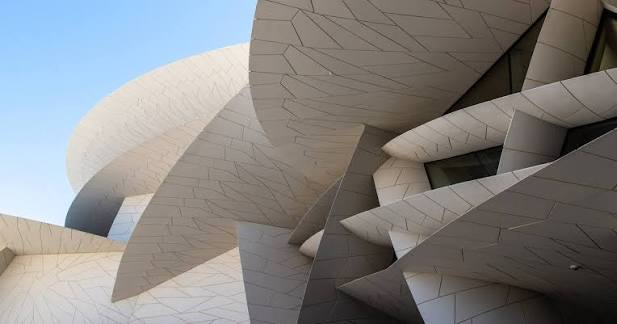
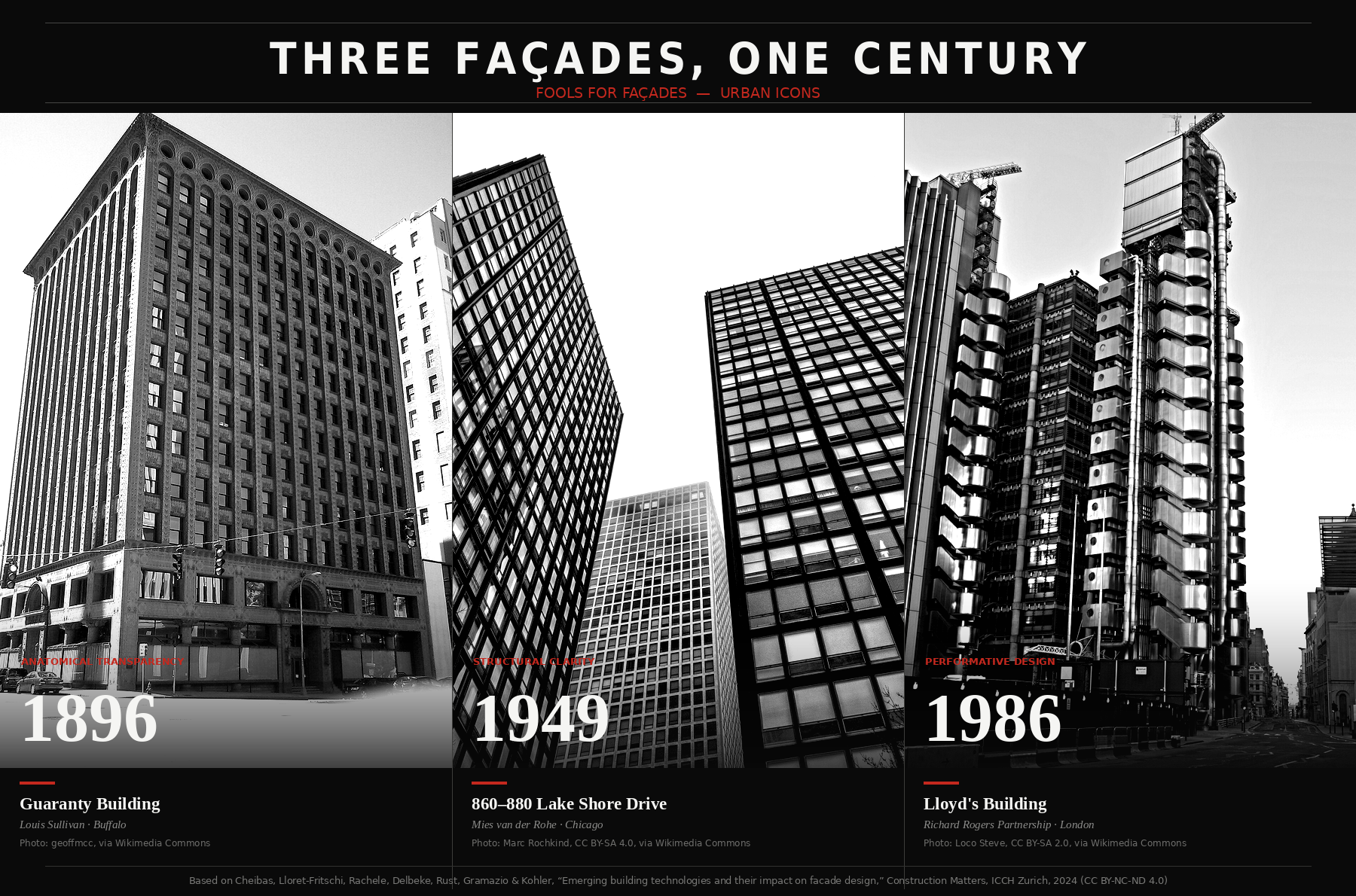

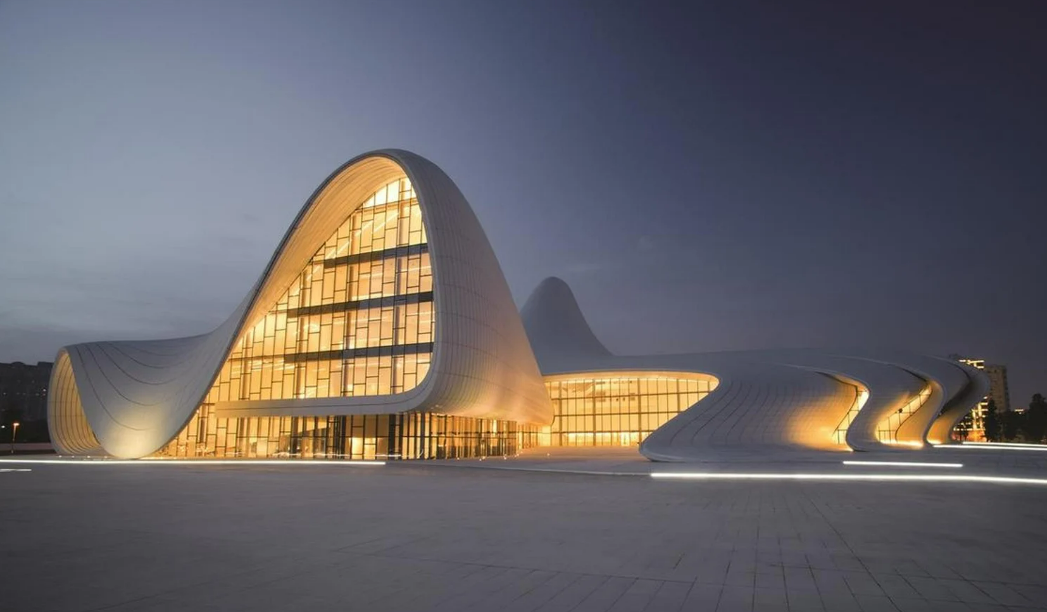
Was your product part of an Urban Icon?
Join the archive that celebrates architecture’s most iconic façades. If your company played a role—through materials, systems, or expertise—let us know. We’re building a record of the people and products behind the world’s most influential buildings.
Further articles

.png)
The Newsletter
Stay close to the future of façades.
Receive curated stories, technical insights, interviews, and event updates from the global façade industry. One edition every Friday.
Oops! Something went wrong while submitting the form.
By subscribing, you agree to our Privacy Policy and consent to receive updates.

An independent editorial platform for façade innovation, material intelligence, and architectural envelope design.
Sections
Platform
Contact
© 2026 Fools for Façades. All rights reserved.
.svg)
.svg)